With more than 10‑year industry experience, Shandong Headpowder delivers full‑service pneumatic‑conveying systems and blowers, undertaking nationwide turn‑key powder‑handling projects.
HeadPowder, a leading enterprise in the field of pneumatic conveying technology, specializes in the design, manufacturing, and implementation of efficient tonne bag handling solutions. Based in Shandong, China, the company leverages decades of industry experience to deliver reliable and cost-effective systems for various industrial applications.
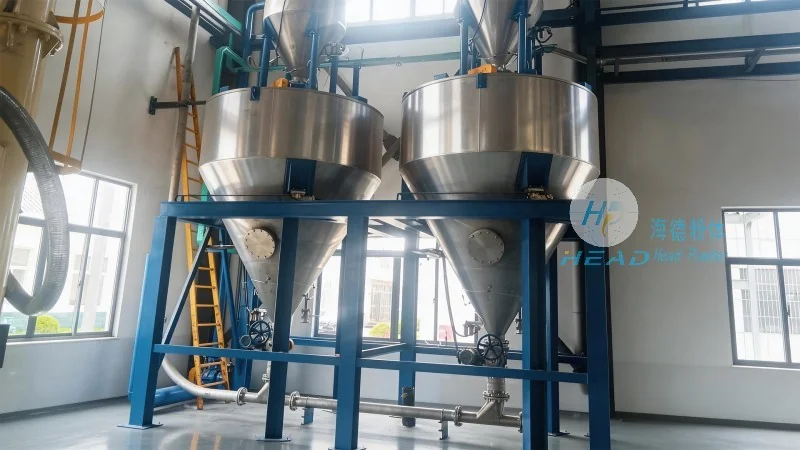
Tonne bag pneumatic conveying systems are advanced industrial solutions designed to transport bulk materials from one location to another using air as the primary conveying medium. These systems are widely used in industries such as mining, construction, food processing, and chemical manufacturing due to their ability to handle large volumes of material with minimal maintenance and operational complexity.
The core components of a tonne bag pneumatic conveying system include the hopper, feeder, air compressor, conveying line, and discharge unit. Each component plays a critical role in ensuring the smooth and efficient operation of the system. The hopper is responsible for storing the material to be conveyed, while the feeder regulates the flow of material into the system. The air compressor generates the necessary air pressure to move the material through the conveying line. The conveying line, typically made of flexible or rigid tubing, transports the material from the hopper to the discharge point. Finally, the discharge unit collects the material at the destination and releases it into the receiving container.
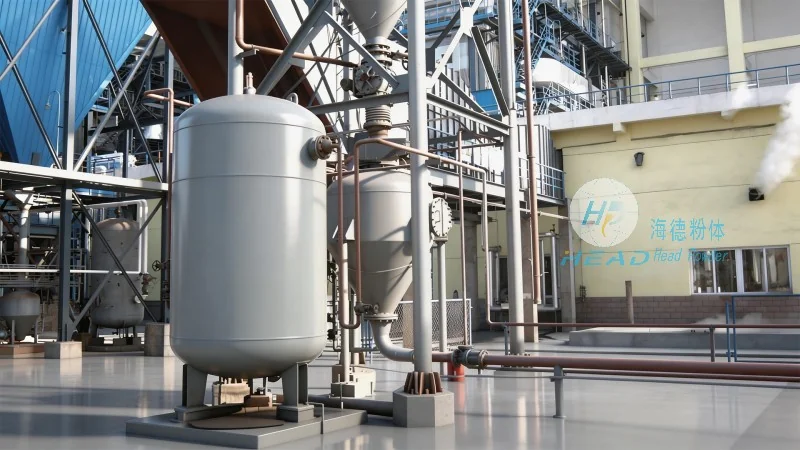
The operation of a tonne bag pneumatic conveying system involves several sequential steps that ensure the material is transported safely and efficiently. The process begins with the loading of the tonne bag into the hopper. The feeder then controls the discharge rate of the material from the hopper, ensuring a consistent flow. Simultaneously, the air compressor starts and generates the required air pressure. The compressed air is introduced into the conveying line, creating a pressure differential that propels the material forward. As the material travels through the line, it is mixed with the air, forming a slurry-like mixture. The mixture continues to move until it reaches the discharge unit, where the air is separated from the material, and the material is deposited into the receiving container. The system then returns to the initial state, ready for the next cycle.
The working principle of a tonne bag pneumatic conveying system is based on the fundamental physics of fluid dynamics and particle motion. The system operates by creating a pressure difference between the hopper and the discharge point. The air compressor supplies high-pressure air to the conveying line, which creates a positive pressure at the hopper end and a lower pressure at the discharge end. This pressure differential causes the material to be drawn into the conveying line and propelled forward by the moving air stream. The material particles are suspended in the air stream, allowing them to travel through the line without significant friction or degradation. The efficiency of the system depends on the proper selection of air pressure, flow rate, and conveying line diameter, which are optimized based on the characteristics of the material being transported.
Tonne bag pneumatic conveying systems offer several advantages over traditional mechanical conveying methods. These include reduced labor costs, as the system operates automatically with minimal human intervention. The systems also minimize material degradation and contamination, as the material is not in direct contact with moving parts. Additionally, the systems are highly flexible and can be easily integrated into existing industrial processes. The compact design of the system allows for installation in confined spaces, and the ability to transport materials over long distances makes it suitable for large-scale operations.
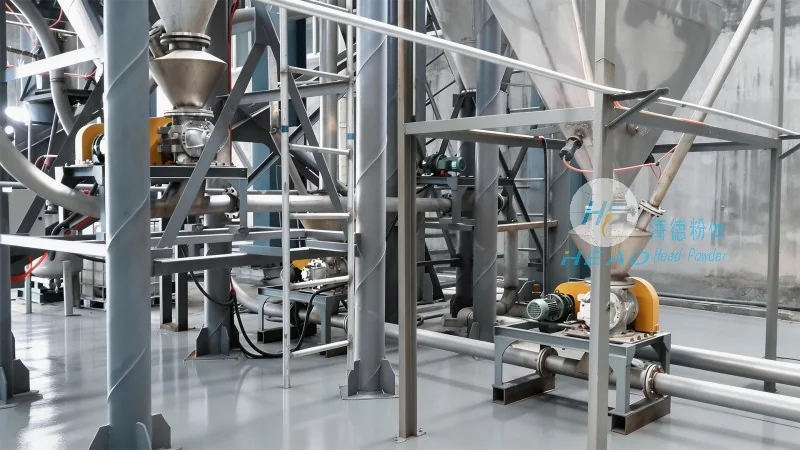
The versatility of tonne bag pneumatic conveying systems makes them suitable for a wide range of applications. In the mining industry, these systems are used to transport ore from the mine to processing facilities. In the construction industry, they are employed to move sand, gravel, and cement to job sites. The food processing industry utilizes these systems to convey bulk ingredients such as flour, sugar, and grains. In the chemical industry, they are used to transport powders and granules safely and efficiently. The systems are also used in the pharmaceutical industry to handle sensitive materials, ensuring compliance with regulatory standards.
Proper maintenance is crucial to ensure the long-term performance and reliability of tonne bag pneumatic conveying systems. Regular inspections of the hopper, feeder, and conveying line are necessary to detect any blockages or wear and tear. The air compressor should be checked for proper operation and maintenance to ensure consistent air pressure. The discharge unit should be cleaned regularly to prevent material buildup. In case of system failure, common issues include air leaks, material blockages, or insufficient air pressure. These issues can be diagnosed and resolved by checking the system components and adjusting the operational parameters as needed.

 Shandong Headpowder Engineering Co., Ltd.
 156-6277-7102(Manager Zhang)
  0531-83386006
  Zhangqiu District, Jinan City, Shandong Province, China
telephone
WeChatconsult
top