With more than 10‑year industry experience, Shandong Headpowder delivers full‑service pneumatic‑conveying systems and blowers, undertaking nationwide turn‑key powder‑handling projects.
Phosphorus pentoxide, a highly reactive and hygroscopic compound, is widely used in various industrial applications due to its unique chemical properties. The efficient and safe transportation of this material is crucial for industrial processes, and pneumatic conveying systems have emerged as a reliable solution. This article provides an introduction to the pneumatic conveying of phosphorus pentoxide, focusing on its structural design and operational principles.
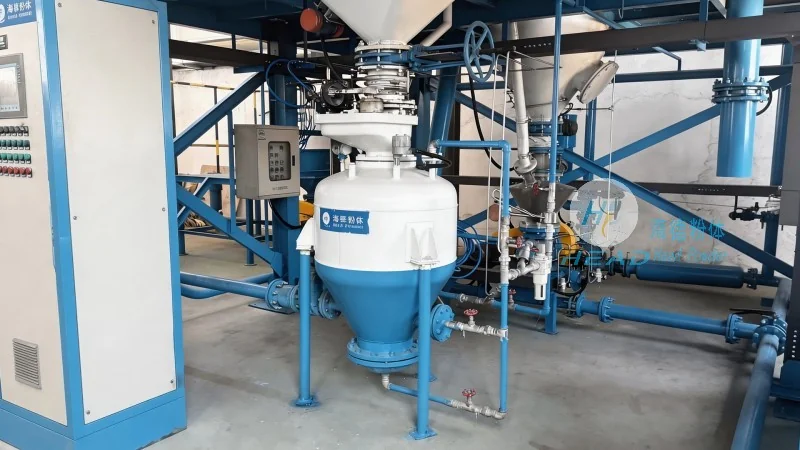
HeadPowder, the professional manufacturer behind this technology, is a leading company in the field of powder handling and material transport solutions. With years of experience and a commitment to innovation, HeadPowder specializes in designing and manufacturing advanced pneumatic conveying systems tailored to the needs of diverse industries. The company's headquarters is located in Shandong, China, where it leverages local expertise and resources to deliver high-quality products and services.
Pneumatic conveying involves the use of air or other gases to transport bulk materials through a pipeline system. For phosphorus pentoxide, which is both hazardous and sensitive to moisture, the design of the conveying system must address specific challenges such as material handling, dust control, and environmental safety. The system typically consists of several key components, including a hopper for material storage, a rotary valve for controlled discharge, a conveyor line with appropriate ducting, and a dust collection system to ensure compliance with safety regulations.
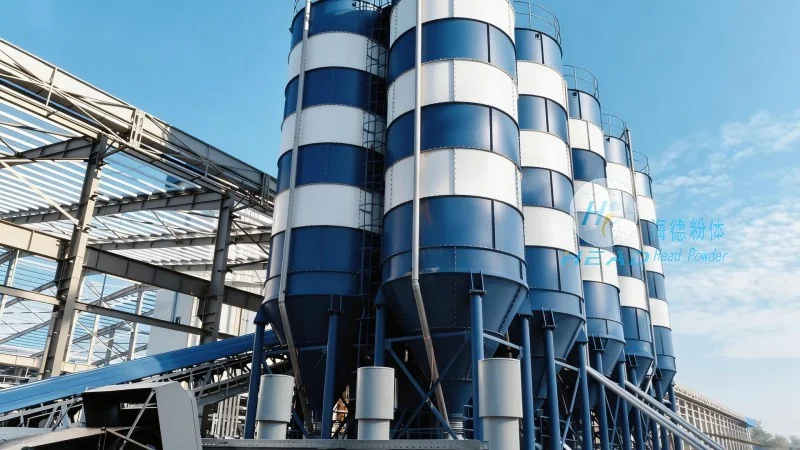
The structural design of a phosphorus pentoxide pneumatic conveying system is critical to ensure efficient operation and safety. The system is engineered to handle the high reactivity and hygroscopic nature of the material, minimizing the risk of material degradation or accidents. Key structural elements include corrosion-resistant materials for the hopper and conveyor line, to withstand the chemical properties of phosphorus pentoxide. Additionally, the system incorporates explosion-proof and dust explosion-proof features, as required by safety standards. The layout of the conveying line is optimized to minimize pressure drops and ensure consistent material flow, with appropriate bends and fittings designed to maintain the integrity of the material during transport.
The operational principle of the pneumatic conveying system for phosphorus pentoxide involves the creation of a pressure differential between the inlet and outlet of the conveyor line. Air is introduced into the system, typically at a high velocity, to create a flow that entrains the phosphorus pentoxide particles. The material is then transported through the pipeline to the destination point, such as a storage silo or processing unit. The system may operate in either positive or negative pressure modes, depending on the specific application and material characteristics. In positive pressure systems, air is forced through the material, while in negative pressure systems, air is drawn from the system, creating a vacuum that pulls the material along. The control system monitors pressure, flow rate, and material level to ensure smooth and safe operation.
The pneumatic conveying system for phosphorus pentoxide offers several advantages over traditional methods, such as mechanical conveying or manual handling. These benefits include improved safety by reducing human exposure to the material, enhanced efficiency through automated control, and reduced material loss due to minimal contact with the environment. The system also provides flexibility in terms of layout and integration with existing industrial processes. Furthermore, the use of advanced materials and design ensures long-term durability and low maintenance costs, making it a cost-effective solution for industrial applications.
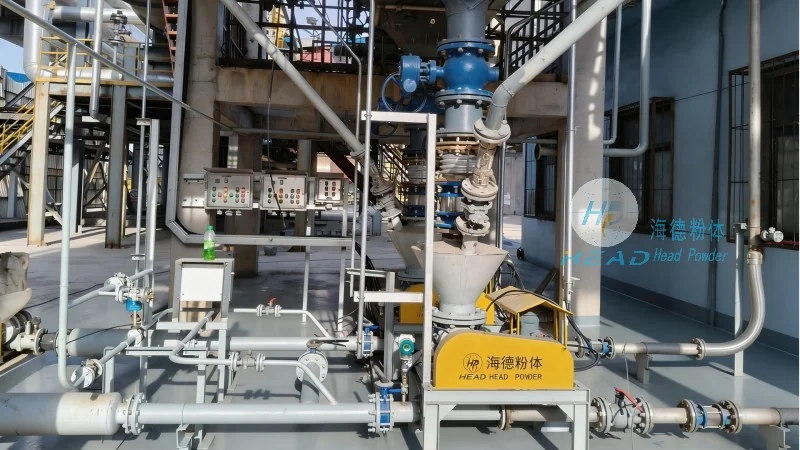
The phosphorus pentoxide pneumatic conveying system is widely used in various industries that require the handling of this compound. These include the chemical industry, where phosphorus pentoxide is used as a raw material for the production of phosphoric acid and other phosphorus-based products. The system is also utilized in the pharmaceutical industry for the transport of related compounds, and in the food industry for certain applications where phosphorus compounds are used as additives. Additionally, the system is employed in research and development facilities for laboratory-scale material handling.
In conclusion, the pneumatic conveying system for phosphorus pentoxide is a sophisticated and reliable solution for the efficient and safe transportation of this critical material. The structural design and operational principles of the system are tailored to address the unique challenges posed by phosphorus pentoxide, ensuring optimal performance and compliance with safety standards. As a leading manufacturer, Shandong HeadPowder Engineering Co., Ltd. continues to innovate and improve its pneumatic conveying systems, providing customers with high-quality solutions that meet the demands of modern industrial applications.

 Shandong Headpowder Engineering Co., Ltd.
 156-6277-7102(Manager Zhang)
  0531-83386006
  Zhangqiu District, Jinan City, Shandong Province, China
telephone
WeChatconsult
top