With more than 10‑year industry experience, Shandong Headpowder delivers full‑service pneumatic‑conveying systems and blowers, undertaking nationwide turn‑key powder‑handling projects.
Bin pump pneumatic conveying is a sophisticated method used in bulk material handling, widely adopted in various industries for its efficiency and flexibility. The process involves the use of a bin pump, which acts as a key component in the pneumatic conveying system. This article will delve into the detailed operation process and working principle of bin pump pneumatic conveying, providing insights into how it functions and its advantages.
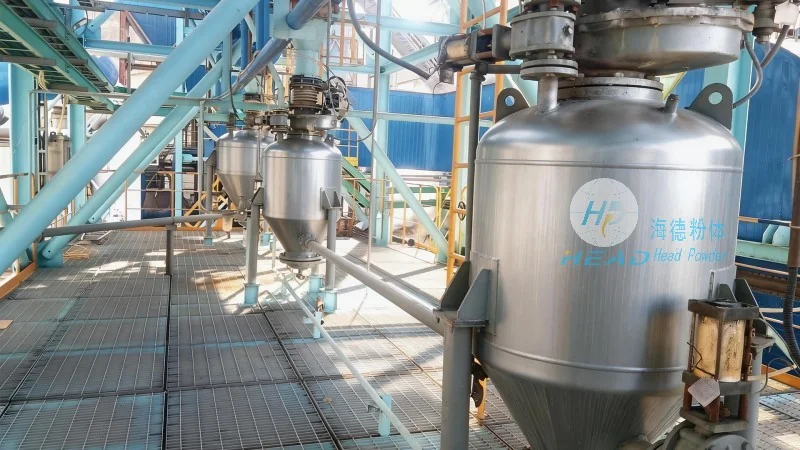
The bin pump system typically consists of several critical components that work in tandem to achieve efficient material transport. These include the bin pump itself, a hopper for material storage, a conveying line, a compressor or blower to generate the air pressure, and a control system. The bin pump, often referred to as a positive displacement pump, is responsible for moving the material through the system by creating a vacuum or pressure differential. The hopper stores the bulk material, which is then fed into the pump as needed. The conveying line transports the material from the source to the destination, while the compressor provides the necessary air pressure to drive the material flow. The control system manages the operation, ensuring smooth and safe material transfer.
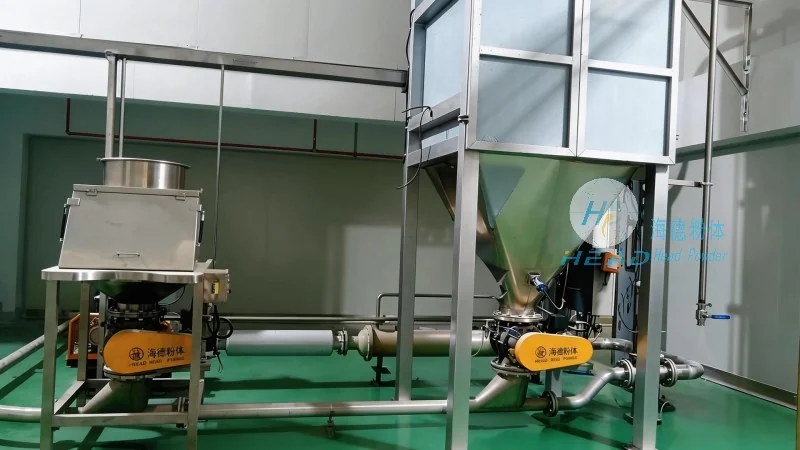
The operation process of bin pump pneumatic conveying can be broken down into several sequential steps. First, the bulk material is loaded into the hopper. The material is then drawn into the bin pump through the conveying line as the pump creates a vacuum. The pump then discharges the material into the receiving container or processing unit. The cycle repeats as the pump continues to operate, maintaining a consistent flow rate. The entire process is controlled by the system's control unit, which monitors pressure, flow rate, and other parameters to ensure optimal performance. This continuous operation allows for a steady and reliable transfer of materials, even over long distances or in challenging environments.
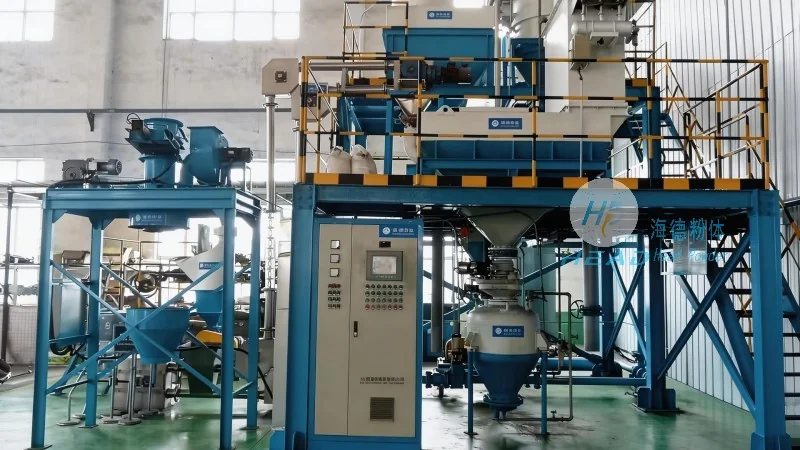
The working principle of bin pump pneumatic conveying is based on the principles of fluid dynamics and positive displacement. The bin pump operates by creating a pressure difference between the inlet and outlet. When the pump is in the suction phase, it creates a vacuum that draws the material from the hopper into the pump chamber. The material is then trapped in the pump chamber as the pump moves to the discharge phase, where the pressure is increased, forcing the material out through the discharge port. The air used in the process is typically recycled, with the material being separated from the air in a separator or filter before being returned to the system. This closed-loop system minimizes air consumption and ensures efficient material transport. The positive displacement nature of the pump ensures a consistent flow rate, regardless of the material's density or flow characteristics, making it suitable for a wide range of bulk materials.
Bin pump pneumatic conveying offers several advantages that make it a preferred choice in many industries. These include high efficiency in material transport, the ability to handle a wide variety of bulk materials, and the flexibility to transport materials over long distances or in complex layouts. The system is also relatively compact and can be integrated into existing facilities, reducing installation costs. Additionally, the enclosed system helps to prevent dust emissions and contamination, making it suitable for applications where material purity is critical. Industries that commonly use bin pump pneumatic conveying include cement, chemicals, food processing, and mining. The system is particularly effective for transporting powders, granules, and other fine materials that are difficult to handle with traditional methods.
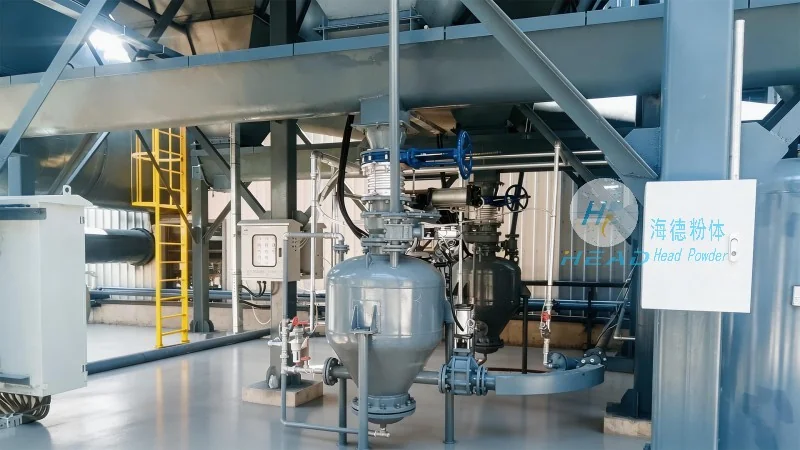
As a leading manufacturer in the field of bulk material handling equipment, Shandong HeadPowder Engineering Co., Ltd. specializes in providing high-quality bin pump pneumatic conveying systems. With years of experience and a commitment to innovation, the company has developed advanced solutions that meet the diverse needs of various industries. HeadPowder's products are designed to ensure reliable and efficient material transport, with a focus on durability, performance, and user safety. The company's team of experts provides comprehensive support, from system design and installation to maintenance and after-sales service. HeadPowder's commitment to quality and customer satisfaction has made it a trusted partner for businesses seeking efficient and reliable bulk material handling solutions. Located in Shandong, China, HeadPowder leverages its local expertise and resources to deliver top-tier products and services to clients worldwide.

 Shandong Headpowder Engineering Co., Ltd.
 156-6277-7102(Manager Zhang)
  0531-83386006
  Zhangqiu District, Jinan City, Shandong Province, China
telephone
WeChatconsult
top