With more than 10‑year industry experience, Shandong Headpowder delivers full‑service pneumatic‑conveying systems and blowers, undertaking nationwide turn‑key powder‑handling projects.
Shandong HeadPowder Engineering Co., Ltd., commonly known as HeadPowder, is a professional manufacturer specializing in the design, development, and production of pneumatic conveying systems. With its headquarters located in Shandong, China, the company has established itself as a leading provider of advanced solutions for carbon powder handling and transportation. HeadPowder's expertise lies in creating efficient and reliable systems that cater to the unique demands of carbon powder processing industries.
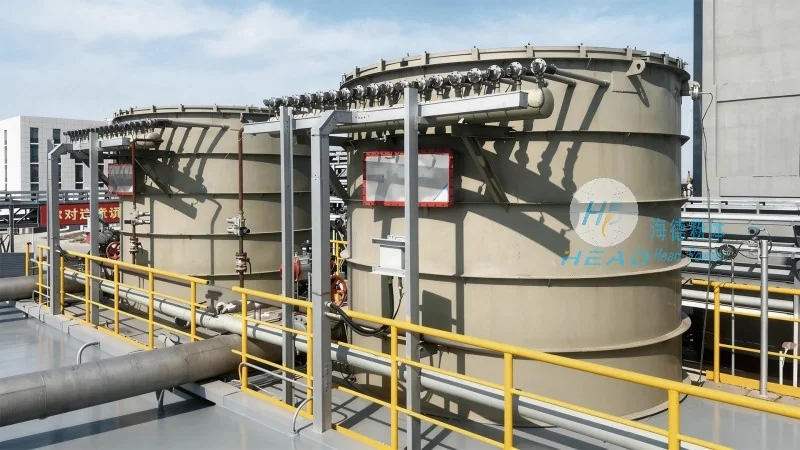
Pneumatic conveying, also known as pneumatic transport, is a method of transporting bulk materials through a pipeline using a stream of pressurized or vacuum air. This technology is widely used in various industries, including chemical, food, and pharmaceutical sectors, to move powders and granules from one location to another. For carbon powder, which is often used in applications such as carbon black production, battery manufacturing, and industrial coatings, pneumatic conveying offers a flexible and efficient solution compared to traditional methods like belt conveyors or bucket elevators.
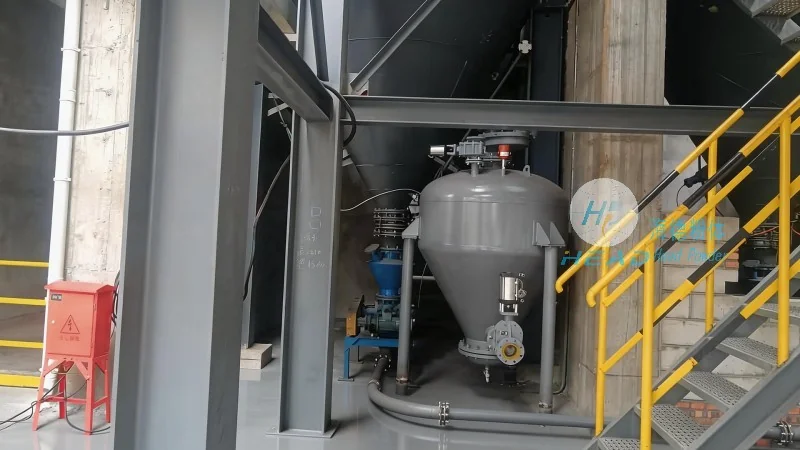
The core principle behind carbon powder pneumatic conveying is the use of air to create a flow that transports the powder particles through a pipeline. The system typically consists of a hopper, a feeder, a conveying line, and a receiver. The process begins with the carbon powder being fed into the hopper from a storage silo or a production line. The feeder then regulates the flow of powder into the conveying line, ensuring a consistent and controlled discharge. As the powder enters the conveying line, it is mixed with the air stream, which can be either positive pressure (where air is forced into the line) or negative pressure (where air is drawn out of the line). The air velocity is carefully controlled to maintain a stable suspension of the powder particles, preventing clogging and ensuring smooth transport.
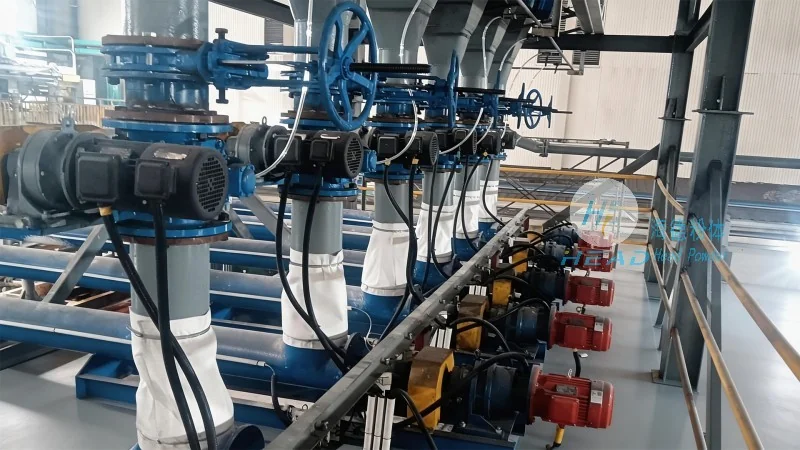
The operation of a carbon powder pneumatic conveying system involves several key steps that ensure efficient and reliable performance. First, the system is prepared by checking the air supply and the condition of the conveying line. The hopper is filled with the required amount of carbon powder, and the feeder is set to the appropriate flow rate. Once the system is ready, the air compressor or vacuum pump is activated, creating the necessary pressure or vacuum to initiate the conveying process. The powder is then drawn or pushed through the pipeline by the air stream, traveling from the feeder to the receiver. The receiver collects the carbon powder and may include a dust collection system to prevent environmental contamination. The entire process is monitored by sensors and control systems that adjust the air flow and powder feed rate as needed to maintain optimal performance.
Carbon powder pneumatic conveying systems offer several advantages over traditional material handling methods. One of the primary benefits is the ability to transport materials in a closed system, which helps to prevent dust emissions and maintain a clean working environment. This is particularly important for carbon powders, which can be fine and easily airborne, posing health and safety risks. Additionally, pneumatic conveying systems are flexible and can be easily integrated into existing production lines, allowing for changes in material flow or process requirements without major modifications. The systems also provide high efficiency in terms of material throughput, with minimal downtime and reduced maintenance costs compared to other methods. Furthermore, the use of positive or negative pressure allows for the transportation of carbon powder over long distances and at varying heights, making it suitable for complex industrial layouts.
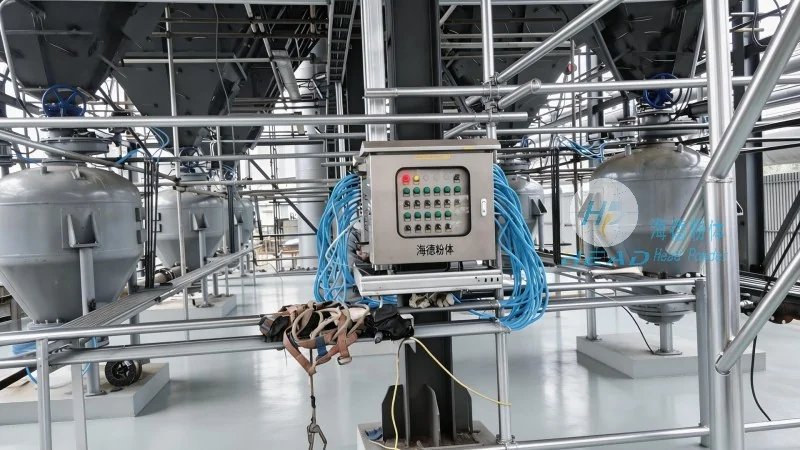
Shandong HeadPowder Engineering Co., Ltd. leverages its extensive experience and technical expertise to design and manufacture customized pneumatic conveying systems tailored to the specific needs of carbon powder applications. The company's engineers work closely with clients to understand their production requirements, material characteristics, and operational constraints, ensuring that the final system meets all performance and safety standards. HeadPowder's commitment to quality and innovation has enabled it to deliver reliable and efficient solutions that enhance productivity and reduce operational costs for its clients. With a focus on customer satisfaction and long-term partnerships, HeadPowder continues to be a trusted provider of pneumatic conveying systems in the carbon powder industry.

 Shandong Headpowder Engineering Co., Ltd.
 156-6277-7102(Manager Zhang)
  0531-83386006
  Zhangqiu District, Jinan City, Shandong Province, China
telephone
WeChatconsult
top