With more than 10‑year industry experience, Shandong Headpowder delivers full‑service pneumatic‑conveying systems and blowers, undertaking nationwide turn‑key powder‑handling projects.
Lysine is a critical amino acid widely used in the animal feed and food industries, and efficient handling of this material is essential for industrial operations. Pneumatic conveying systems offer a reliable and effective method for transporting lysine, ensuring safety, efficiency, and minimal product degradation. This article provides an overview of lysine pneumatic conveying systems, focusing on their structural components and operational principles.
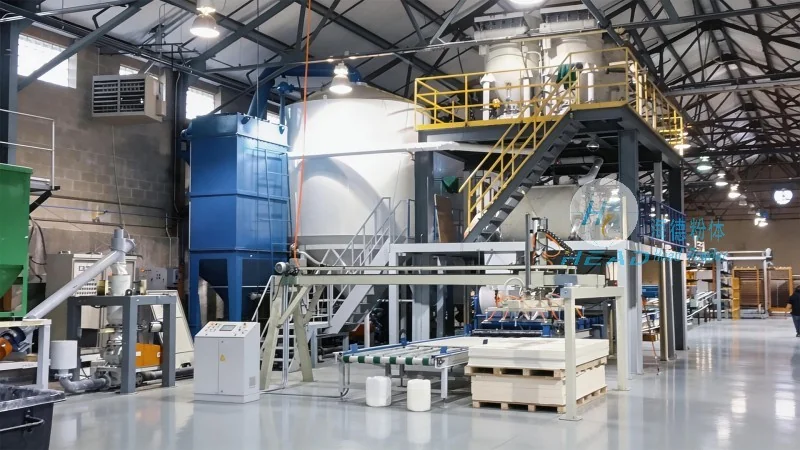
The design of a lysine pneumatic conveying system involves several key components that work in tandem to move material from the source to the destination. These components include the material feed hopper, the air supply system, the conveying line, and the discharge equipment. Each component plays a crucial role in maintaining the integrity of the lysine and ensuring smooth operation.
The material feed hopper is typically a large, hopper-style container that holds the lysine. It is equipped with a feeder mechanism, such as a rotary valve or a screw feeder, which controls the flow of material into the conveying line. This component ensures a consistent and controlled feed rate, preventing overloading or underloading of the system.
The air supply system is a critical part of the pneumatic conveying process. It generates the necessary airflow to move the lysine particles through the conveying line. This system includes a blower or a compressor, which provides the pressure and volume of air required for efficient transport. The air supply is often regulated to maintain optimal pressure levels, ensuring the material is conveyed at the desired speed without causing excessive wear or degradation.
The conveying line is the main pathway for the lysine particles. It is typically made of stainless steel or other corrosion-resistant materials to withstand the abrasive nature of the material and to maintain hygiene standards. The line is equipped with bends, elbows, and other fittings that direct the material flow. The design of the conveying line, including the diameter and length, is carefully calculated to ensure efficient transport while minimizing pressure drop and energy consumption.
The discharge equipment is used to release the lysine from the conveying line at the destination. This component may include a rotary valve, a bagging machine, or a storage silo. The discharge mechanism is designed to handle the material gently, preventing breakage or contamination. It is often integrated with a dust collection system to maintain a clean and safe working environment.
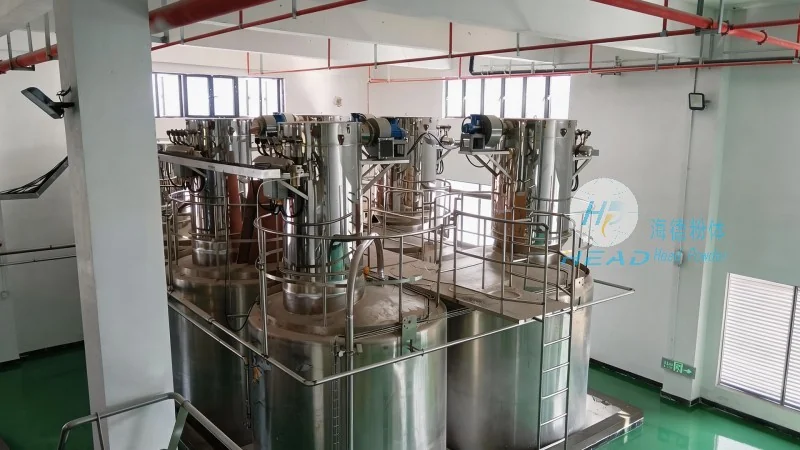
Lysine pneumatic conveying operates on the principle of using air to transport solid particles. There are two main types of pneumatic conveying systems: pressure and vacuum. Pressure systems use compressed air to push the material through the line, while vacuum systems use a vacuum to pull the material from the source.
In a pressure system, the blower supplies compressed air into the conveying line, creating a pressure differential that moves the lysine particles. The material is fed into the line from the hopper, and the air carries the particles along the line to the discharge point. The pressure system is generally more suitable for long-distance or high-volume transport, as it can maintain consistent pressure and flow rates.
Vacuum systems, on the other hand, use a vacuum pump to create a negative pressure in the conveying line. The material is drawn from the hopper into the line by the vacuum, and the air flows back to the source. Vacuum systems are often used for shorter distances or when the material needs to be transported from multiple sources to a single destination.
The choice between pressure and vacuum systems depends on several factors, including the distance to be covered, the volume of material to be transported, and the specific requirements of the lysine handling process. Both systems are designed to minimize product degradation and ensure efficient transport.
Implementing a pneumatic conveying system for lysine offers several advantages over traditional methods such as belt conveyors or bucket elevators. One of the primary benefits is the ability to handle the material in a closed system, which reduces dust emissions and improves safety. This is particularly important for lysine, which can be a respiratory irritant if inhaled.
Another advantage is the reduced risk of product contamination. Pneumatic conveying systems are designed to maintain a clean environment, with stainless steel components and proper sealing to prevent cross-contamination. This is crucial for lysine, which is used in food and animal feed applications where purity is essential.
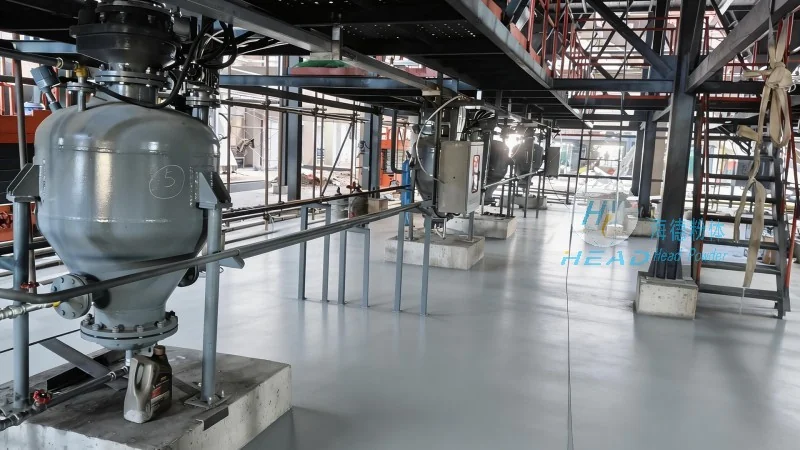
Efficiency is also a key advantage of pneumatic conveying. The system can transport lysine at high speeds with minimal energy consumption, making it a cost-effective solution for industrial operations. The closed system also reduces the need for cleaning and maintenance, as the material is contained within the system.
Furthermore, pneumatic conveying systems offer flexibility in terms of layout and integration. They can be easily adapted to existing facilities and can handle varying material flow rates. This makes them suitable for both new installations and retrofitting in existing lysine processing plants.
Lysine pneumatic conveying systems are widely used in various stages of lysine processing, from raw material handling to final product packaging. In the raw material stage, the system can transport lysine from storage silos to the production line, ensuring a continuous supply of material. During the production process, the system can transport intermediate products between processing stages, such as from the crystallization tank to the drying equipment.
In the final packaging stage, the system can transport the finished lysine product from the storage silo to the bagging or packaging equipment. This ensures that the product is handled gently and remains in good condition until it reaches the customer. The closed system also helps maintain the product's quality and shelf life by minimizing exposure to air and moisture.
Overall, lysine pneumatic conveying systems are a vital component of modern lysine processing facilities, providing an efficient, safe, and reliable method for material handling. By understanding the structural components and working principles of these systems, manufacturers can optimize their operations and ensure the quality of their lysine products.

 Shandong Headpowder Engineering Co., Ltd.
 156-6277-7102(Manager Zhang)
  0531-83386006
  Zhangqiu District, Jinan City, Shandong Province, China
telephone
WeChatconsult
top