With more than 10‑year industry experience, Shandong Headpowder delivers full‑service pneumatic‑conveying systems and blowers, undertaking nationwide turn‑key powder‑handling projects.
HeadPowder, a leading manufacturer based in Shandong, China, specializes in the design and production of pneumatic conveying systems tailored for the pigments industry. This article provides an overview of the fundamental concepts, structural components, and operational principles of pneumatic conveying systems used in pigment handling and processing.
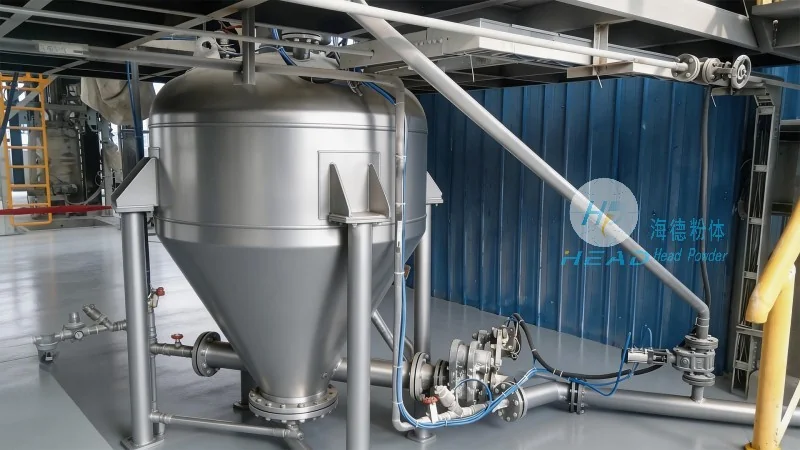
The pneumatic conveying system for pigments typically consists of several key components that work in concert to transport material from a source to a destination. The primary elements include the material feed hopper, the conveying pipeline, the air supply system (including a blower or compressor), and the receiving container or processing unit. Each component plays a critical role in ensuring efficient and reliable material transport.
The material feed hopper is designed to store and meter the pigment powder, controlling the flow rate into the system. It often features a discharge valve or gate to regulate the amount of material entering the pipeline. The hopper may also incorporate a level indicator to monitor the material inventory, preventing overfilling or underfilling that could disrupt the conveying process.
The conveying pipeline is a crucial part of the system, responsible for transporting the pigment particles along with the air stream. The pipeline is usually made of materials such as stainless steel or plastic, chosen for their resistance to corrosion and wear from the pigment particles. The diameter and length of the pipeline are carefully selected based on the material's properties, including particle size, density, and flow characteristics. Proper pipeline design minimizes pressure losses and ensures smooth material movement.
The air supply system provides the necessary pressure and volume of air to move the pigment particles through the pipeline. This system typically includes a blower or compressor, which generates the airflow, and a filter to remove any contaminants from the air, preventing damage to the equipment and ensuring the purity of the conveyed material. The air flow rate is adjusted to match the material's conveying requirements, balancing the need for sufficient velocity to keep particles suspended and the energy efficiency of the system.
The receiving container or processing unit is where the pigment is deposited after being conveyed. This component may include a hopper or tank designed to hold the material, with a discharge mechanism to transfer it to the next stage of processing, such as mixing or packaging. The receiving unit is often equipped with a level sensor to monitor the material level and trigger alerts when the container is full or empty.
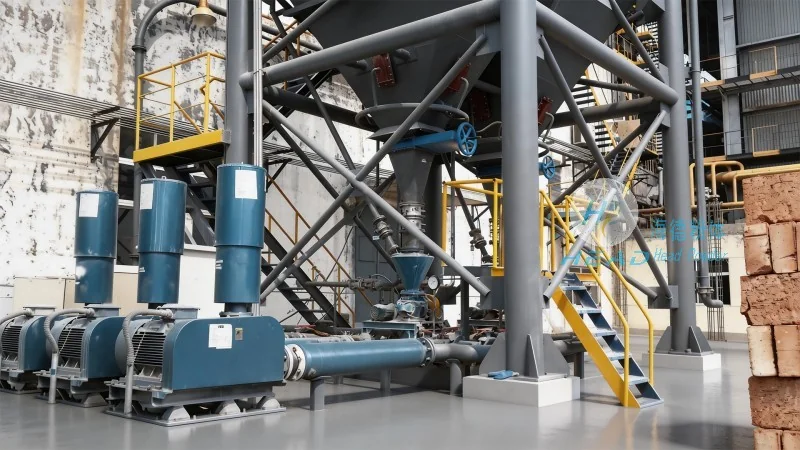
Pneumatic conveying operates on the principle of using air to transport solid particles. There are two main types of pneumatic conveying systems: dilute-phase and dense-phase. Dilute-phase systems use low air-to-material ratios, where particles are suspended in the air stream and travel at high velocity. Dense-phase systems use higher air-to-material ratios, where particles are carried in a plug or slurry form, moving at lower velocities.
In a dilute-phase system, the pigment particles are introduced into the pipeline at a controlled rate and are immediately entrained by the high-velocity air stream. The air flow maintains the particles in suspension, preventing them from settling or clogging the pipeline. The system relies on the momentum of the air to transport the material, making it suitable for long-distance or high-velocity conveying applications.
In a dense-phase system, the pigment particles are introduced into the pipeline in a larger volume, and the air flow is adjusted to create a plug or slurry of material. This method is often used for materials that are prone to clogging or for applications requiring gentle handling, such as delicate pigments or those with high moisture content. The dense-phase system provides better control over the material's velocity and reduces the risk of particle degradation.
The operational principle also involves the use of pressure or vacuum to move the material. Positive-pressure systems use a blower to push air and material through the pipeline, while negative-pressure systems use a vacuum to draw material into the pipeline. The choice between positive and negative pressure depends on the application requirements, including the distance to be covered, the material's properties, and the need for containment.
Pneumatic conveying systems offer several advantages when used for pigment handling. One of the primary benefits is the ability to transport materials in a closed system, which helps maintain product purity and prevents contamination from external sources. This is particularly important for pigments, which are often sensitive to moisture, dust, or other environmental factors.
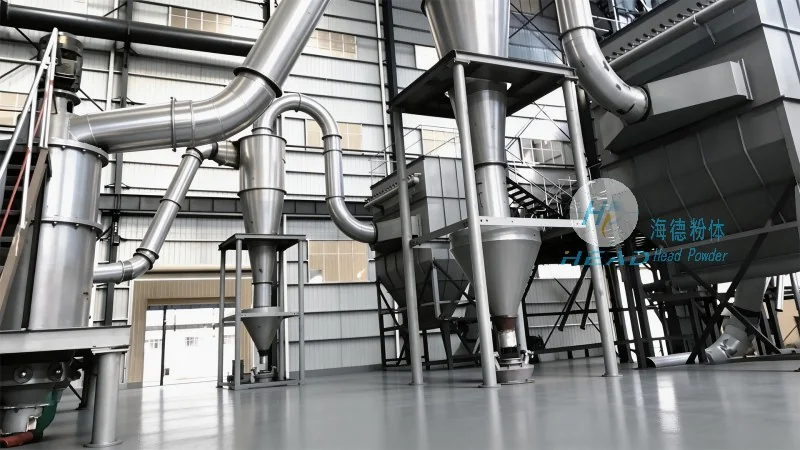
Another advantage is the flexibility of the system. Pneumatic conveying can handle a wide range of pigment types, including powders, granules, and even fine particles, without the need for additional equipment like conveyors or elevators. The system can be easily adapted to different production processes, allowing for seamless integration into existing pigment manufacturing lines.
The system also provides efficient material handling, reducing the need for manual labor and minimizing the risk of material spillage or exposure. This improves workplace safety and compliance with environmental regulations. Additionally, pneumatic conveying systems are energy-efficient compared to traditional methods like belt conveyors or bucket elevators, as they use air to transport material rather than mechanical components.
Pneumatic conveying systems are widely used in various applications within the pigments industry. These include the transportation of raw pigment powders from storage silos to processing equipment, the transfer of finished pigments to packaging lines, and the movement of pigments between different stages of production, such as from grinding to mixing.
In the raw material handling stage, the system can efficiently transport large quantities of pigment powders from bulk storage to the production line, ensuring a continuous supply of material. This reduces downtime and improves production efficiency. During the processing stage, the system can transfer pigments between grinding mills, mixers, and other equipment, allowing for smooth workflow and minimizing material handling time.
In the packaging stage, the system can deliver finished pigments to the packaging machines, ensuring that the material is delivered in a controlled manner and without contamination. This helps maintain product quality and consistency, which is critical for meeting customer specifications and regulatory requirements.

 Shandong Headpowder Engineering Co., Ltd.
 156-6277-7102(Manager Zhang)
  0531-83386006
  Zhangqiu District, Jinan City, Shandong Province, China
telephone
WeChatconsult
top