With more than 10‑year industry experience, Shandong Headpowder delivers full‑service pneumatic‑conveying systems and blowers, undertaking nationwide turn‑key powder‑handling projects.
Positive pressure pneumatic conveying systems represent a sophisticated method for transporting bulk materials through a pipeline using pressurized air or gas. This technology is widely utilized across various industries, including food processing, pharmaceuticals, chemicals, and minerals, due to its ability to handle a diverse range of materials with minimal product degradation. The system operates by introducing air or gas under pressure into a hopper or material container, creating a flow that propels the material through the pipeline to the destination point. This approach offers advantages such as enclosed transport, which prevents contamination and dust emissions, and the capacity to handle materials that are difficult to convey via traditional methods like gravity or vacuum systems. HeadPowder, a leading provider of material handling solutions, specializes in designing and manufacturing positive pressure pneumatic conveying systems tailored to meet the unique needs of different industries.
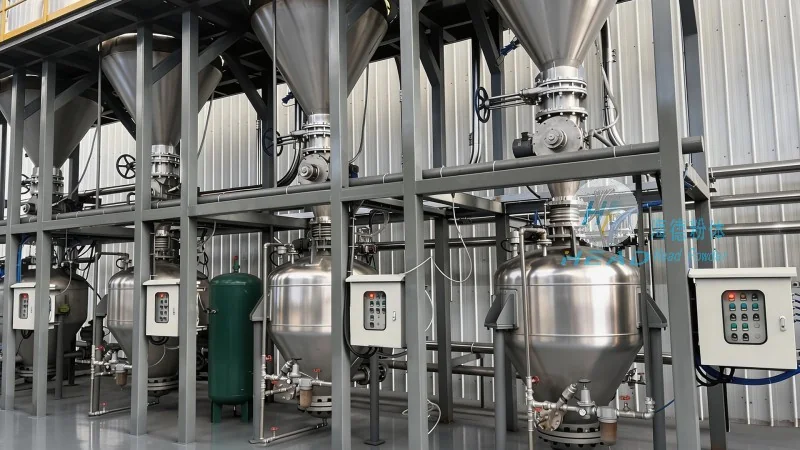
The core components of a positive pressure system include a blower or compressor, a hopper or feeder, a pipeline network, and a receiver or discharge unit. The blower provides the necessary pressure to move the material, while the hopper stores and feeds the material into the system. The pipeline is typically made of materials like stainless steel or plastic, chosen for their durability and resistance to corrosion. The receiver collects the material at the end of the conveying line, often equipped with a dust collection system to ensure environmental compliance. Each component plays a critical role in ensuring efficient and reliable material transport.
The operation of a positive pressure system begins with the material being loaded into the hopper. The blower then generates a high-pressure air stream, which is directed into the hopper. As the air pressure increases, it forces the material to flow out of the hopper and into the pipeline. The material is then carried along the pipeline by the moving air, maintaining a consistent flow rate. The velocity of the air is crucial; it must be sufficient to keep the material suspended and prevent settling or blockages. The system maintains a positive pressure throughout the pipeline, ensuring that air and material move in the same direction, from the inlet to the outlet. This continuous pressure ensures that the material is conveyed without the need for additional vacuum or external forces at the receiving end.
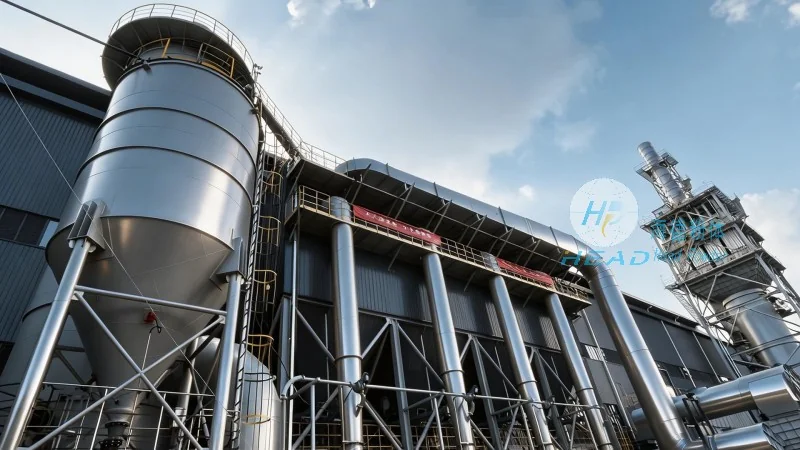
Positive pressure systems offer several advantages over other conveying methods. Firstly, they provide enclosed transport, which is essential for handling materials that are sensitive to contamination or require dust control. This feature is particularly important in industries like food and pharmaceuticals, where product purity is paramount. Secondly, the system can handle a wide variety of materials, including powders, granules, and even wet or sticky substances, which are often challenging for other systems. The ability to transport materials over long distances or through complex layouts is another key benefit. Additionally, positive pressure systems are generally more energy-efficient than vacuum systems, as they operate at lower pressures and require less power to maintain the flow. The enclosed nature of the system also reduces the risk of material spillage and environmental impact, making it a preferred choice for many applications.
The versatility of positive pressure pneumatic conveying makes it applicable across multiple sectors. In the food industry, it is used to transport ingredients like flour, sugar, and spices, ensuring that the products remain fresh and free from contamination. In the pharmaceutical sector, the system is employed to handle active pharmaceutical ingredients (APIs) and other sensitive materials, maintaining strict hygiene and quality standards. The chemical industry utilizes positive pressure systems for transporting powders and granules, such as fertilizers or pigments, which may be abrasive or reactive. In the minerals and mining industry, the technology is used to convey raw materials like coal, ore, and sand, often over long distances and through challenging terrains. Each application leverages the system's ability to handle diverse materials and maintain product integrity throughout the conveying process.
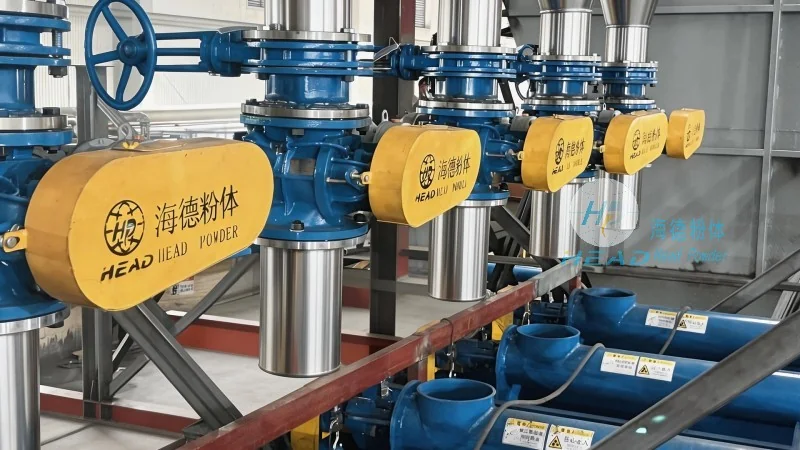
Proper installation and regular maintenance are critical to the efficient operation of a positive pressure pneumatic conveying system. Installation involves ensuring that all components are properly aligned and connected, with the pipeline laid out to minimize bends and pressure losses. The blower and hopper must be sized appropriately to handle the material's characteristics and the required conveying distance. Regular maintenance includes checking the blower for wear and tear, cleaning the hopper and pipeline to prevent blockages, and inspecting the receiver for any signs of wear or contamination. Proper maintenance not only ensures the longevity of the system but also maintains the quality of the conveyed material. It is recommended to follow the manufacturer's guidelines for maintenance schedules and procedures to maximize system performance and minimize downtime.
Positive pressure pneumatic conveying systems are a reliable and efficient solution for bulk material transport across various industries. By understanding the key components, working principles, and operational advantages, users can select and maintain a system that meets their specific needs. The technology's ability to handle diverse materials, maintain product integrity, and operate in enclosed environments makes it a preferred choice for many applications. As industries continue to demand higher standards of efficiency and quality, positive pressure pneumatic conveying remains a vital technology in material handling.

 Shandong Headpowder Engineering Co., Ltd.
 156-6277-7102(Manager Zhang)
  0531-83386006
  Zhangqiu District, Jinan City, Shandong Province, China
telephone
WeChatconsult
top