With more than 10‑year industry experience, Shandong Headpowder delivers full‑service pneumatic‑conveying systems and blowers, undertaking nationwide turn‑key powder‑handling projects.
HeadPowder, a leading enterprise in the field of powder processing technology, specializes in the design and manufacturing of pneumatic conveying systems for various industrial applications. This article provides an overview of magnesium oxide pneumatic conveying, focusing on its structural principles and operational mechanisms. The company, with its headquarters in Shandong, China, has extensive experience in delivering efficient and reliable solutions for handling magnesium oxide and other fine powders.
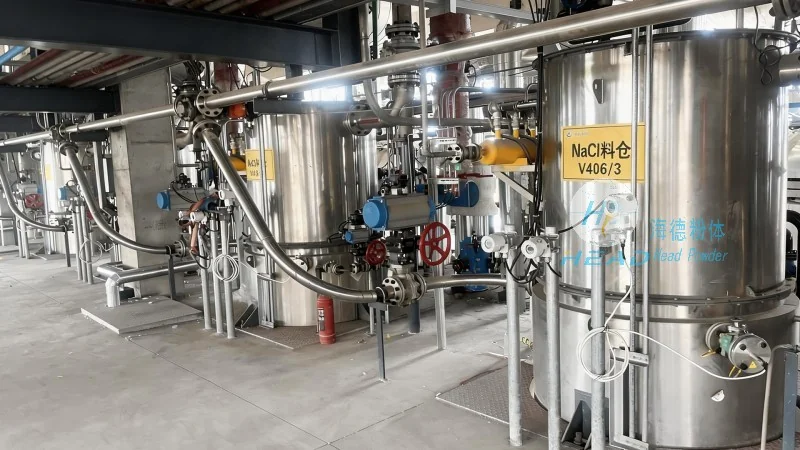
Magnesium oxide (MgO), also known as magnesia, is a widely used industrial material in sectors such as refractories, ceramics, and chemical manufacturing. Pneumatic conveying is a critical method for transporting this fine powder from one location to another without the need for mechanical components like belts or buckets. The process involves using compressed air to move the powder through a pipeline system, ensuring minimal product degradation and efficient material handling.
The core components of a magnesium oxide pneumatic conveying system include the material feed hopper, the air compressor, the conveying pipeline, and the discharge unit. The feed hopper is designed to store and meter the magnesium oxide powder into the system, while the air compressor generates the necessary pressure to move the material through the pipeline. The pipeline network, typically made of stainless steel or other corrosion-resistant materials, ensures the safe and efficient transport of the powder. The discharge unit, often equipped with a filter or separator, collects the conveyed material and separates any entrained air or dust.
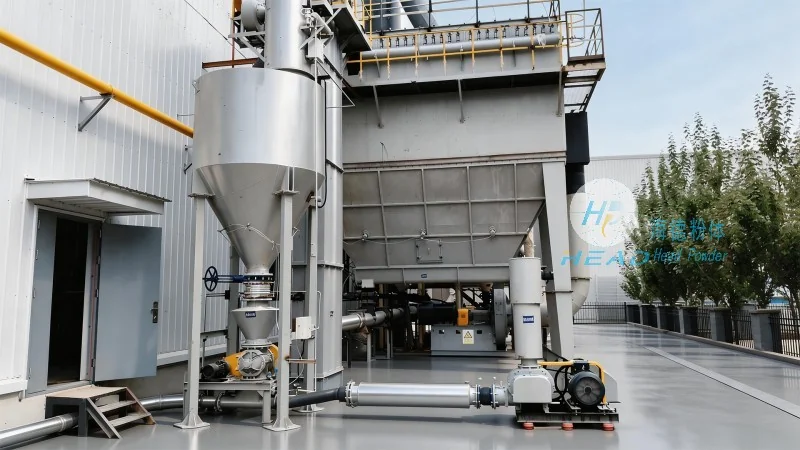
The operation of a pneumatic conveying system for magnesium oxide relies on the principles of fluidization and drag flow. In fluidization, the compressed air is introduced into the pipeline at a rate that creates a suspension of the powder particles in the air stream. This suspension allows the powder to be transported through the system with minimal friction and product degradation. Drag flow, on the other hand, involves the air flowing through the pipeline at a higher velocity, pulling the powder particles along with it. Both mechanisms are crucial for maintaining the efficiency and reliability of the conveying process.
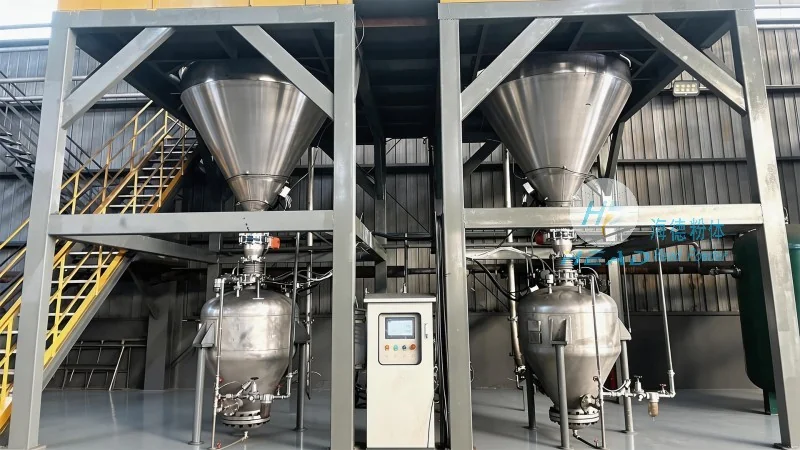
Compared to traditional mechanical conveying methods, pneumatic conveying offers several advantages for handling magnesium oxide. These include reduced product contamination, as the system is enclosed and prevents exposure to external elements. Additionally, the process minimizes dust generation and improves workplace safety. The flexibility of the system allows for easy integration with existing production lines, and the ability to transport materials over long distances without intermediate storage points enhances overall operational efficiency. The system also reduces maintenance costs by eliminating moving parts that are prone to wear and tear.
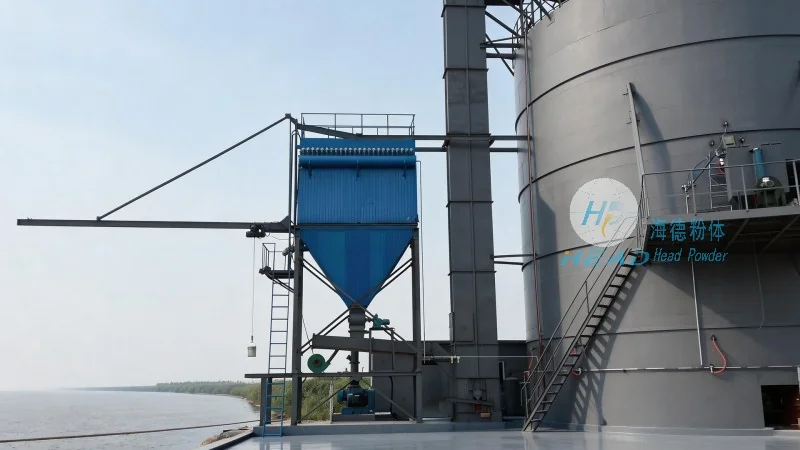
Magnesium oxide pneumatic conveying systems are widely used in various industrial applications. In the refractory industry, the material is transported to production lines for the manufacturing of high-temperature bricks and other refractory products. In the chemical industry, the powder is conveyed to reactors and processing units for the production of magnesium-based chemicals. The system's ability to handle fine powders with high efficiency makes it suitable for applications where product purity and consistency are critical. HeadPowder's expertise in designing customized pneumatic conveying solutions ensures that clients receive systems tailored to their specific operational needs and material characteristics.
HeadPowder Engineering Co., Ltd., based in Shandong, China, provides comprehensive solutions for magnesium oxide pneumatic conveying, combining advanced structural principles with reliable operational mechanisms. The company's commitment to quality and efficiency has made it a trusted partner in the industry, delivering systems that enhance productivity and ensure the safe handling of magnesium oxide. By understanding the structural principles and operational advantages of pneumatic conveying, industrial clients can optimize their material handling processes and improve overall operational performance.

 Shandong Headpowder Engineering Co., Ltd.
 156-6277-7102(Manager Zhang)
  0531-83386006
  Zhangqiu District, Jinan City, Shandong Province, China
telephone
WeChatconsult
top