Stabilizer powder pneumatic conveying is a critical technology in the field of powder handling, designed to efficiently transport fine powders like stabilizers through a pneumatic system. This method offers significant advantages over traditional mechanical conveying, including reduced equipment wear, lower energy consumption, and enhanced safety in handling potentially hazardous materials. The technology is widely adopted in industries such as pharmaceuticals, chemicals, and food processing, where precise and controlled powder transport is essential for maintaining product quality and operational efficiency.
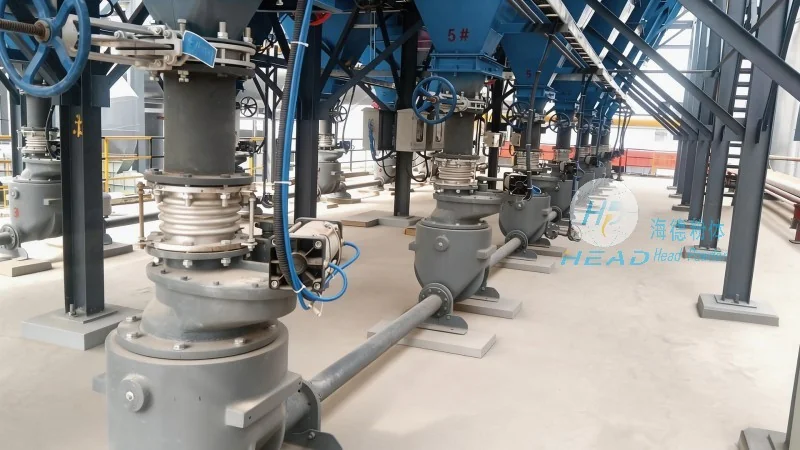
Overview of Stabilizer Powder Pneumatic Conveying Systems
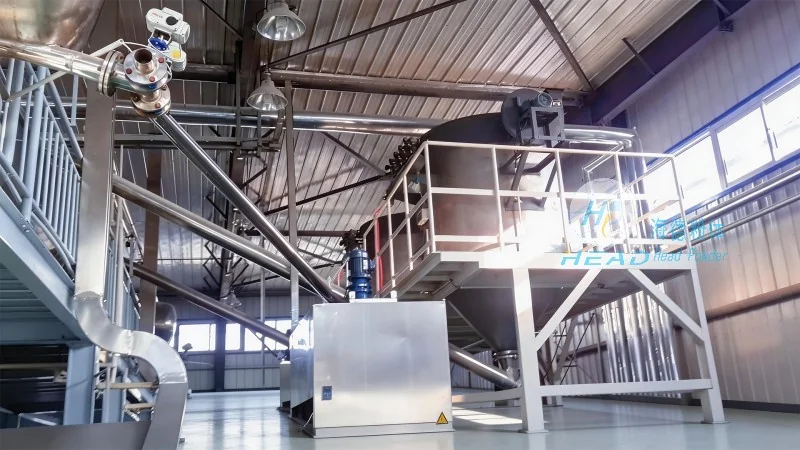
Stabilizer powder pneumatic conveying systems are engineered to move dry powders, such as those used as stabilizers in various industrial applications, using compressed air or other gases. These systems typically consist of several key components, including a hopper for material storage, a conveying line (often a pipe), a blower or compressor to generate the airflow, and a receiver or discharge point for the material. The design of the system is tailored to the specific characteristics of the powder, including its particle size, density, and flowability, ensuring optimal performance and minimal product degradation.
Structural Components and Their Functions
The structural design of a stabilizer powder pneumatic conveying system is crucial for its effectiveness. Key components include:
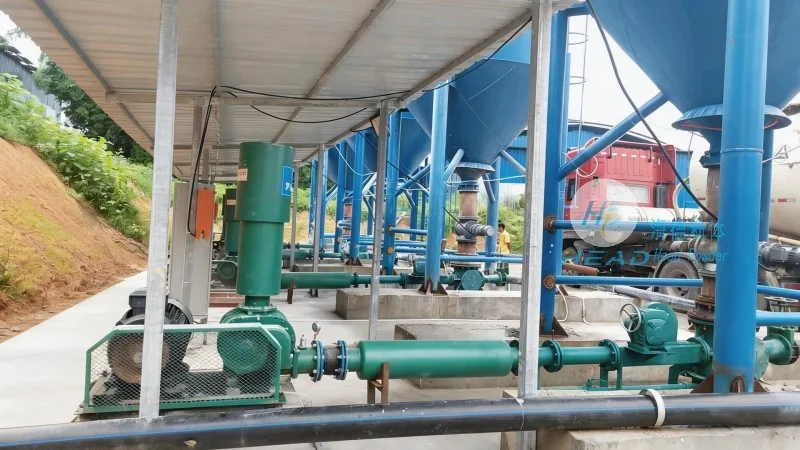
- Material Hopper: A container that holds the stabilizer powder, allowing for controlled feeding into the conveying line. The hopper is often equipped with a feeder, such as a rotary valve or a screw feeder, to regulate the flow of material.
- Conveying Pipe: The main pathway for the powder and air mixture. The pipe is usually made of stainless steel or other corrosion-resistant materials to prevent contamination and ensure durability. The design of the pipe, including its diameter and length, is optimized to minimize pressure drop and maintain consistent airflow.
- Blower or Compressor: This component generates the necessary airflow to transport the powder. Positive displacement blowers are commonly used for low to medium pressure applications, while centrifugal compressors are suitable for higher pressure needs. The choice of equipment depends on the system's capacity and the specific requirements of the powder being conveyed.
- Receiver or Discharge Unit: The end of the conveying line where the powder is deposited. This unit may include a filter or separator to remove any entrained air or fine particles, ensuring that the delivered material is clean and free from contaminants.
Principle of Operation: How Pneumatic Conveying Works
The fundamental principle behind stabilizer powder pneumatic conveying is the use of air to create a fluidized or suspended state of the powder particles. When compressed air is introduced into the conveying pipe, it creates a low-pressure zone that draws the powder from the hopper into the pipe. The air and powder mixture then travels through the pipe, with the powder particles being carried by the airflow. As the mixture reaches the receiver, the air is separated from the powder, often through a cyclone or filter, and the powder is collected in the receiver.
Advantages of Pneumatic Conveying for Stabilizer Powders
Compared to other conveying methods, pneumatic conveying offers several advantages for stabilizer powders:
- Reduced Product Contamination: The enclosed system minimizes exposure to external contaminants, which is critical for products used in pharmaceutical or food industries where purity is paramount.
- Lower Maintenance and Downtime: Pneumatic systems have fewer moving parts compared to mechanical conveyors, leading to lower maintenance requirements and reduced downtime.
- Energy Efficiency: Modern pneumatic conveying systems are designed to be energy-efficient, with optimized airflow and pressure control that reduce energy consumption.
- Flexibility in Layout: The system can be easily adapted to different plant layouts, allowing for flexible installation and integration with existing equipment.
Applications in Industrial Settings
Stabilizer powder pneumatic conveying is widely used in various industrial applications, including:
- Pharmaceutical Manufacturing: For transporting active pharmaceutical ingredients (APIs) and excipients, where precise control and contamination prevention are essential.
- Chemical Processing: For handling chemical powders, such as catalysts or additives, in chemical plants.
- Food and Beverage Industry: For conveying food-grade stabilizers, such as starches or emulsifiers, in food processing facilities.
- Plastic and Rubber Manufacturing: For transporting additives and fillers used in the production of plastics and rubber products.
Key Considerations for System Design and Installation
When designing and installing a stabilizer powder pneumatic conveying system, several factors must be considered to ensure optimal performance:
- Powder Characteristics: The particle size, density, and flowability of the stabilizer powder are critical factors that influence system design. For example, fine powders may require higher air velocities to prevent clogging.
- System Capacity: The required capacity of the system, including the volume of powder to be conveyed per hour, determines the size of the blower, pipe diameter, and other components.
- Pressure and Airflow Requirements: The pressure and airflow needed to transport the powder efficiently depend on the system's length, pipe diameter, and the number of bends or fittings.
- Material Compatibility: The choice of materials for the hopper, pipe, and other components must be compatible with the stabilizer powder to prevent corrosion or contamination.
Conclusion: The Role of Pneumatic Conveying in Modern Powder Handling
Stabilizer powder pneumatic conveying is a reliable and efficient method for transporting fine powders in various industrial applications. By understanding the structural components and operational principles of these systems, manufacturers can optimize their powder handling processes, ensuring product quality, operational efficiency, and cost-effectiveness. As technology advances, further improvements in pneumatic conveying systems are expected, leading to even more efficient and sustainable powder transport solutions.

 Shandong Headpowder Engineering Co., Ltd.
 156-6277-7102(Manager Zhang)
  0531-83386006
  Zhangqiu District, Jinan City, Shandong Province, China