With more than 10‑year industry experience, Shandong Headpowder delivers full‑service pneumatic‑conveying systems and blowers, undertaking nationwide turn‑key powder‑handling projects.
Dry sand pneumatic conveying is a critical material handling technology used for transporting dry granular materials such as sand. This method leverages air as the primary medium to move particles through a pipeline system, offering advantages like dust control, flexible layout, and efficient material transport. The process involves creating a pressure differential to draw or push the material along the pipeline, making it suitable for various industrial applications including construction, mining, and manufacturing. By utilizing air flow to suspend and transport sand particles, the system ensures a consistent and controlled delivery of materials, reducing manual handling and associated risks.
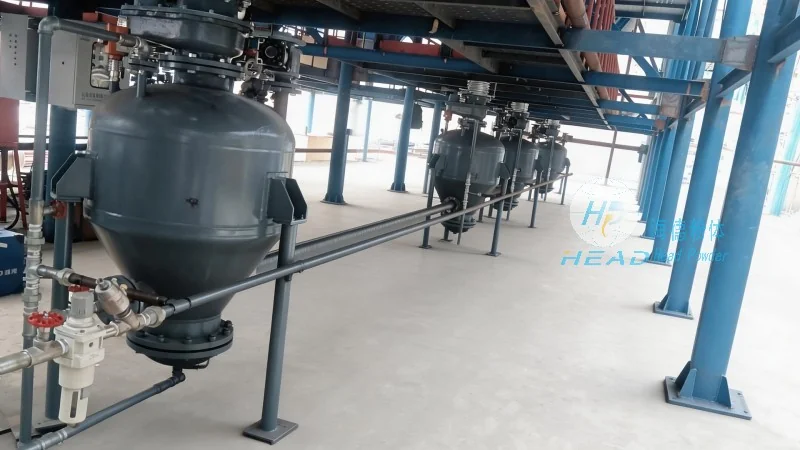
The dry sand pneumatic conveying system comprises several essential components that work in harmony to facilitate material transport. These include the material hopper, air compressor, conveying pipeline, and dust collector. The material hopper serves as the storage and feeding unit, holding the dry sand and releasing it into the system. The air compressor generates the necessary air pressure to create the conveying force, with adjustable settings to match the material's characteristics and conveying distance. The conveying pipeline transports the sand and air mixture, typically made from durable materials like stainless steel or carbon steel to withstand the pressure and material abrasion. The dust collector is integrated to remove airborne particles, ensuring compliance with environmental regulations and maintaining air quality in the workplace. The working principle is based on the Bernoulli principle and pressure differential. As air is introduced into the pipeline, it creates a low-pressure zone that draws the sand particles into the flow. The air velocity is maintained above the material's terminal velocity to keep the particles suspended, ensuring efficient transport through the system.
Dry sand pneumatic conveying systems offer several key advantages that make them a preferred choice for industrial applications. One primary benefit is the ability to handle dry, fine materials without the need for water or additives, preserving material quality and reducing processing costs. The system provides flexibility in layout, as pipelines can be installed in various configurations to suit site-specific requirements, including complex or constrained spaces. Dust control is significantly improved compared to traditional methods like belt conveyors or manual handling, enhancing workplace safety and environmental compliance. The compact design of the system allows for space-saving installations, making it suitable for both new and existing facilities. Additionally, the technology can handle a wide range of particle sizes and material densities, providing versatility in material handling across different industries.
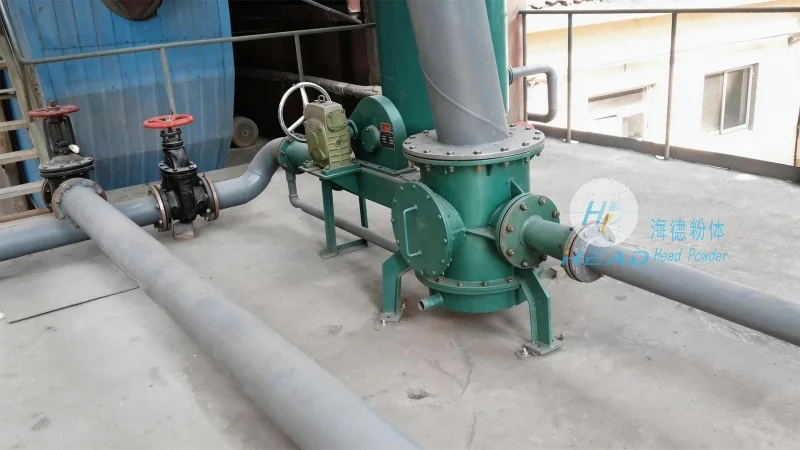
Dry sand pneumatic conveying is widely applied in multiple industrial sectors due to its efficiency and adaptability. In the construction industry, it is used to transport sand from storage to mixing sites, ensuring a consistent supply of materials for concrete production. In mining operations, it helps move sand and other granular materials from processing plants to storage or further processing facilities, improving operational efficiency and reducing material loss. The manufacturing sector also benefits from this technology, as it can handle sand used in foundries and other processes, minimizing manual handling and associated risks. The system's ability to maintain material purity and minimize contamination makes it ideal for applications where material quality is critical, such as in the production of high-quality concrete or specialized sand products. Overall, the technology enhances productivity and operational safety in various industrial settings.
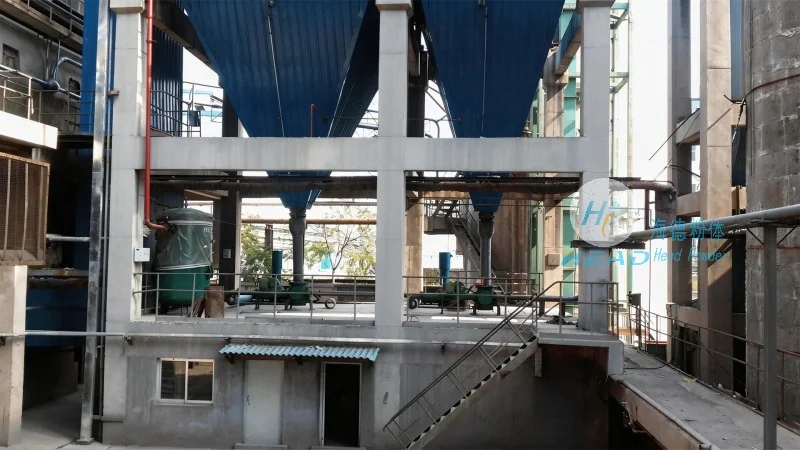
Shandong HeadPowder Engineering Co., Ltd., operating under the brand name headpowder, specializes in the design, manufacturing, and installation of pneumatic conveying systems for dry materials. With a strong focus on innovation and quality, the company provides comprehensive solutions tailored to the unique needs of industrial clients. The company's expertise lies in understanding the challenges of handling dry sand and other granular materials, and developing customized systems that meet operational requirements. By leveraging advanced engineering and manufacturing capabilities, headpowder ensures that its systems are reliable, efficient, and compliant with industry standards. The company's commitment to customer satisfaction and technical excellence has established it as a trusted partner in the material handling industry, delivering solutions that enhance productivity and operational safety.
headpowder offers a range of dry sand pneumatic conveying systems with varying technical specifications to accommodate different application needs. The systems are designed to handle diverse material characteristics, including particle size, density, and moisture content. The air compressor units are available in different power ratings and pressure capabilities, allowing for customization based on the conveying distance and material volume. The pipeline systems can be constructed from materials such as stainless steel or carbon steel, depending on the material's corrosiveness and the operating environment. The dust collector units are equipped with advanced filtration systems to ensure effective removal of airborne particles, maintaining air quality and compliance with environmental regulations. The company provides detailed technical specifications and performance data for each system, enabling clients to make informed decisions based on their specific operational needs. Customization options are available to address unique site conditions, such as limited space or complex layout requirements, ensuring that the system integrates seamlessly with existing infrastructure and meets all operational requirements.

 Shandong Headpowder Engineering Co., Ltd.
 156-6277-7102(Manager Zhang)
  0531-83386006
  Zhangqiu District, Jinan City, Shandong Province, China
telephone
WeChatconsult
top