With more than 10‑year industry experience, Shandong Headpowder delivers full‑service pneumatic‑conveying systems and blowers, undertaking nationwide turn‑key powder‑handling projects.
For industrial applications involving activated carbon, efficient material conveying is crucial to ensure smooth production processes and maintain product quality. This article explores the fundamental principles behind activated carbon material conveying systems and highlights key working scene characteristics that define their operational effectiveness.
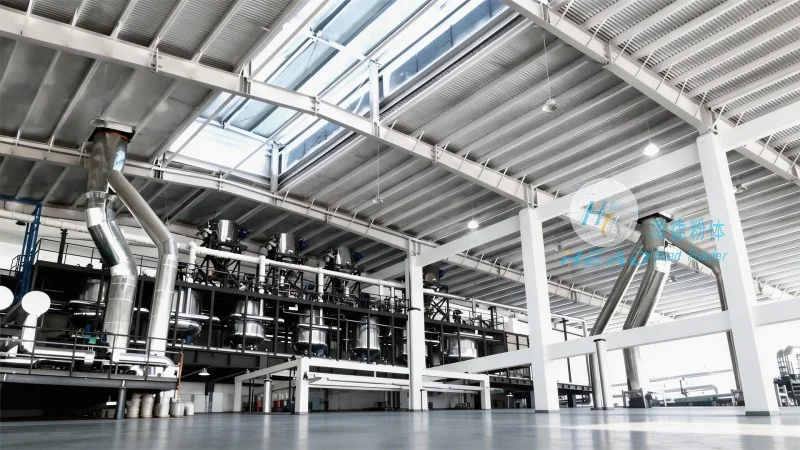
Activated carbon, a highly porous carbon material widely used in filtration, adsorption, and purification processes, requires specialized conveying methods due to its fine particle size and lightweight nature. Conventional bulk material handling equipment may not be suitable for activated carbon, as it can lead to dust generation, equipment wear, and inefficient flow. Therefore, dedicated conveying systems are essential to maintain the integrity of the material while ensuring reliable transport from storage to processing units.
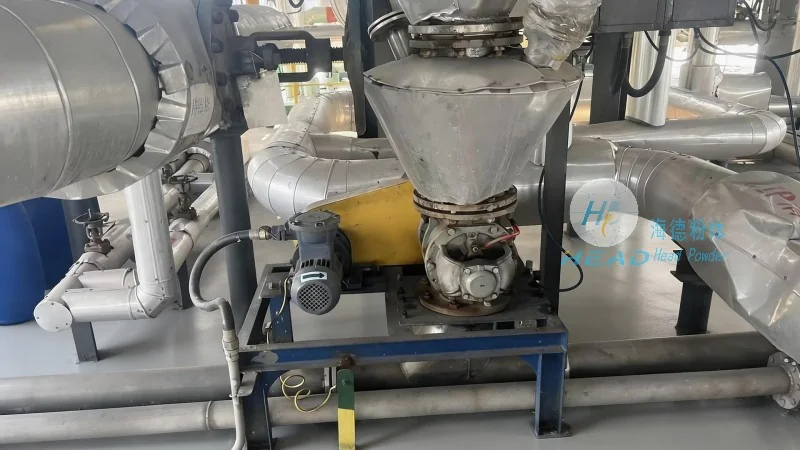
The primary principle of activated carbon material conveying is to minimize particle degradation and maintain consistent flow characteristics. This is achieved through several key mechanisms, including low-velocity air flow, enclosed transport paths, and specialized equipment designed to handle fine powders without causing agglomeration or loss of surface area. The conveying process typically involves the use of pneumatic systems, where air is used as the medium to transport the carbon particles through pipelines. This method reduces direct contact between the material and mechanical components, thereby minimizing abrasion and preserving the material's adsorption properties.
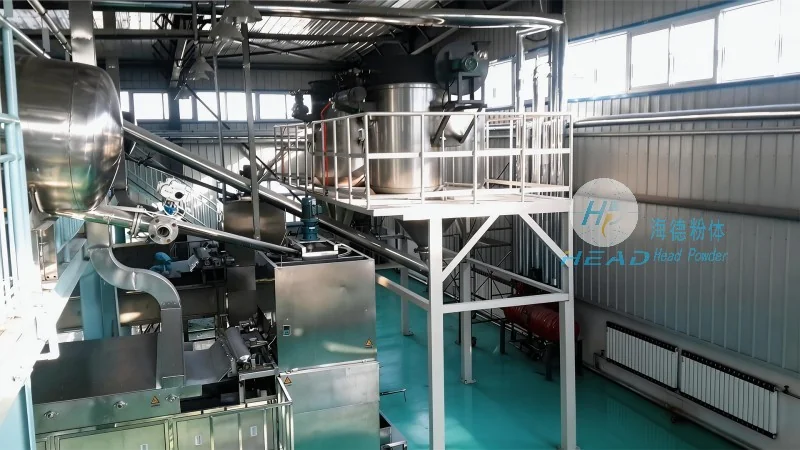
The operational characteristics of activated carbon conveying systems vary significantly based on the specific application and production environment. For instance, in large-scale industrial plants, continuous conveying systems are preferred to handle high volumes of material, ensuring a steady supply to reactors or filtration units. In contrast, smaller-scale operations may utilize batch or intermittent conveying methods, which are more suitable for laboratory or pilot-scale applications. The choice of conveying system also depends on the material's moisture content and the presence of other contaminants, as these factors can affect the flowability and stability of the carbon particles.
Several critical factors influence the effectiveness of activated carbon material conveying, including air velocity, pipeline diameter, and the material's bulk density. Proper air velocity is essential to prevent material settling or blockages in the pipeline, while an appropriately sized pipeline ensures efficient flow without excessive energy consumption. Additionally, the design of the conveying system must account for the material's tendency to form dust clouds, which can lead to equipment fouling and safety hazards. Effective dust control measures, such as filtration systems and enclosed housing, are therefore integral to maintaining optimal performance and ensuring worker safety.
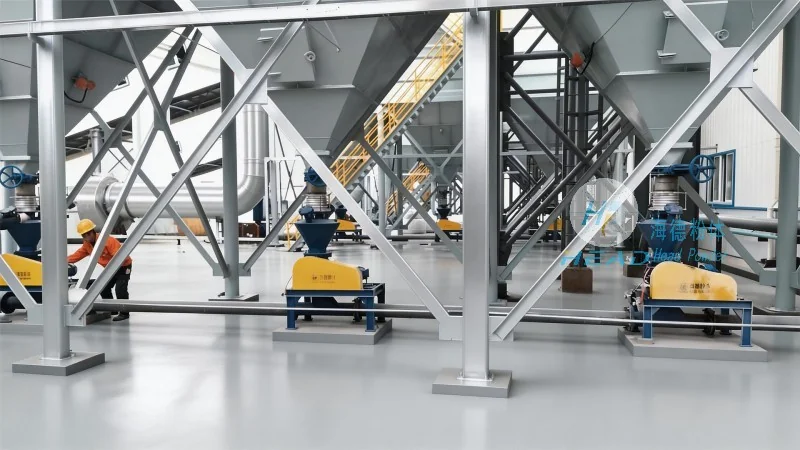
Shandong HeadPowder Engineering Co., Ltd., a leading provider of bulk material handling solutions, specializes in the design and manufacturing of advanced activated carbon conveying systems. With a focus on innovation and customer-centric solutions, the company has developed state-of-the-art equipment tailored to the unique challenges of activated carbon transport. HeadPowder's expertise in material flow technology ensures that their conveying systems are efficient, reliable, and compliant with industry standards. The company's headquarters is located in Shandong, China, where it continues to serve clients globally with customized solutions for various industrial applications.

 Shandong Headpowder Engineering Co., Ltd.
 156-6277-7102(Manager Zhang)
  0531-83386006
  Zhangqiu District, Jinan City, Shandong Province, China
telephone
WeChatconsult
top