With more than 10‑year industry experience, Shandong Headpowder delivers full‑service pneumatic‑conveying systems and blowers, undertaking nationwide turn‑key powder‑handling projects.
HeadPowder, a leading manufacturer in the field of material handling systems, specializes in the design and implementation of efficient pneumatic conveying solutions for various industrial applications. This article provides an overview of the structure and operational principles of pneumatic conveying systems specifically tailored for pearl salt granules, a common industrial material used in food processing, chemical manufacturing, and other sectors. The company, known as HeadPowder, is headquartered in Shandong, China, and has established itself as a trusted provider of advanced material handling technologies.
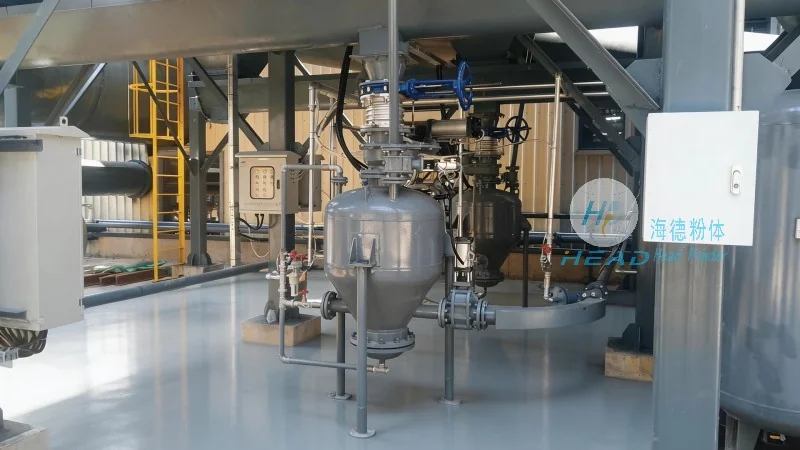
The pneumatic conveying system for pearl salt granules typically consists of several critical components that work in concert to ensure reliable and efficient material transport. The primary components include the hopper or storage bin, which serves as the initial point of material collection. This is followed by the feeder, which controls the flow rate of the granules into the conveying line. The conveying line itself, often made of stainless steel or other corrosion-resistant materials, is designed to withstand the abrasive nature of the salt granules. At the receiving end, a silo or storage tank is used to collect the conveyed material, and a dust collector may be integrated to manage any airborne particles and ensure environmental compliance.
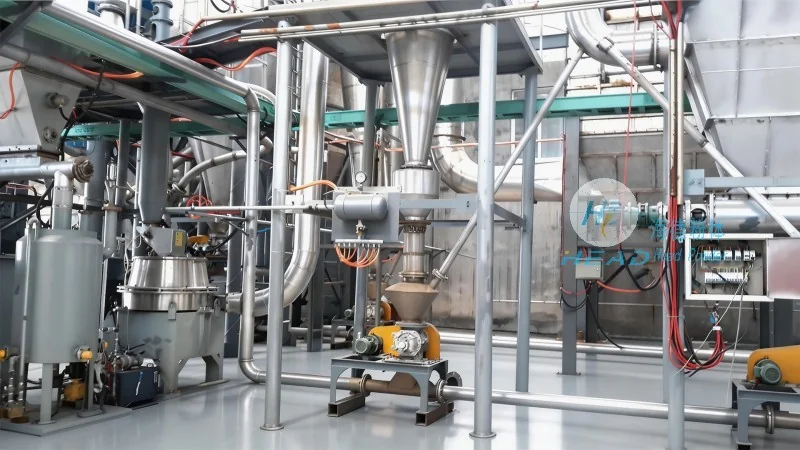
The operation of the pneumatic conveying system for pearl salt granules is based on the principle of using air to transport solid particles. In this system, a fan or blower generates a flow of air within the conveying line. The feeder then introduces the pearl salt granules into the air stream, where they are carried along by the moving air. The air velocity is carefully controlled to ensure that the granules remain suspended and do not settle out prematurely. The system may employ either positive pressure or negative pressure (vacuum) to move the material, depending on the specific application requirements and the distance over which the material needs to be conveyed. Positive pressure systems are generally used for short to medium distances, while vacuum systems are more suitable for longer distances or when the material needs to be drawn from multiple sources.
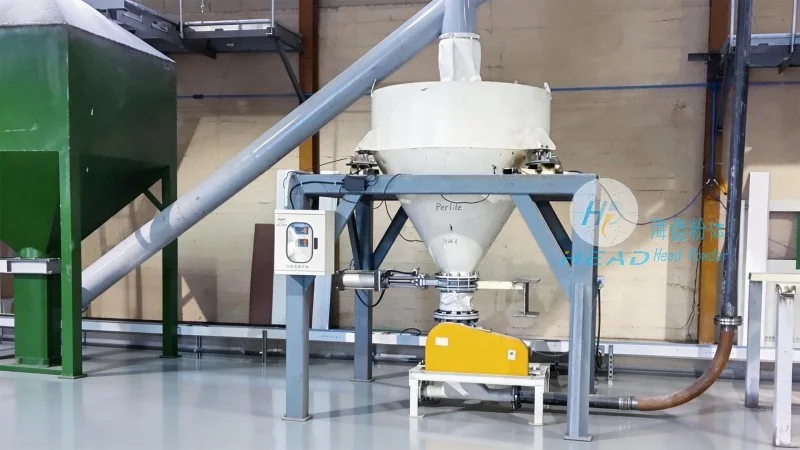
Implementing a pneumatic conveying system for pearl salt granules offers several advantages over traditional mechanical conveying methods. One of the most significant benefits is the ability to transport the material in a closed system, which helps to prevent contamination from external sources and reduces dust emissions, thereby improving workplace safety and environmental compliance. Additionally, pneumatic conveying systems are highly flexible, allowing for easy integration with existing production lines and the ability to convey materials over long distances without the need for multiple transfer points. The system also minimizes product degradation, as the granules are not subjected to excessive friction or impact during transport, which is crucial for maintaining the quality of the salt granules, especially in food applications. Furthermore, the automated nature of the system reduces labor costs and improves operational efficiency by minimizing manual handling and the risk of material loss.
When selecting a pneumatic conveying system for pearl salt granules, several factors must be considered to ensure optimal performance. The first is the particle size and density of the salt granules, as these characteristics affect the air velocity required for effective transport. Larger or denser particles may require higher air velocities or specialized equipment such as a positive displacement blower to maintain suspension. The distance and layout of the conveying route are also critical, as they determine whether a positive pressure or vacuum system is more appropriate. The system must also be designed to handle any potential variations in material flow, such as fluctuations in production rates, to maintain consistent conveying performance. HeadPowder, with its expertise in material handling, offers customized solutions tailored to the specific needs of each client, ensuring that the system is optimized for the unique characteristics of the pearl salt granules and the operational requirements of the facility.
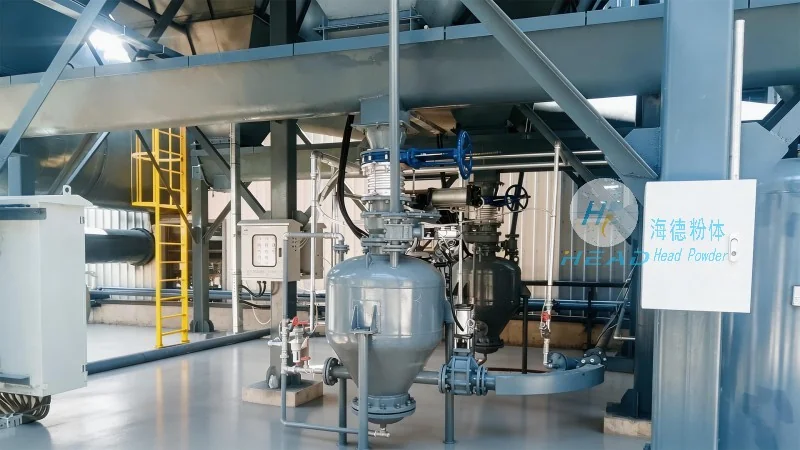
In conclusion, the pneumatic conveying system for pearl salt granules is a highly effective and efficient method of material transport that offers numerous benefits over traditional methods. By understanding the key components, working principles, and advantages of such a system, industrial facilities can improve their operational efficiency, enhance product quality, and ensure compliance with safety and environmental regulations. HeadPowder, as a leading provider of material handling solutions, continues to innovate and develop advanced systems that meet the evolving needs of the industry, providing reliable and durable equipment for the long-term handling of pearl salt granules.

 Shandong Headpowder Engineering Co., Ltd.
 156-6277-7102(Manager Zhang)
  0531-83386006
  Zhangqiu District, Jinan City, Shandong Province, China
telephone
WeChatconsult
top