With more than 10‑year industry experience, Shandong Headpowder delivers full‑service pneumatic‑conveying systems and blowers, undertaking nationwide turn‑key powder‑handling projects.
For industries that handle rubber granules, such as those used in sports surfaces, playgrounds, and industrial flooring applications, the efficient transport of these materials is a critical operational requirement. This article delves into the underlying principles of rubber granule material handling and outlines the key characteristics of various working scenarios where these systems are employed. By understanding these aspects, businesses can optimize their material handling processes, enhance productivity, and ensure compliance with industry standards.
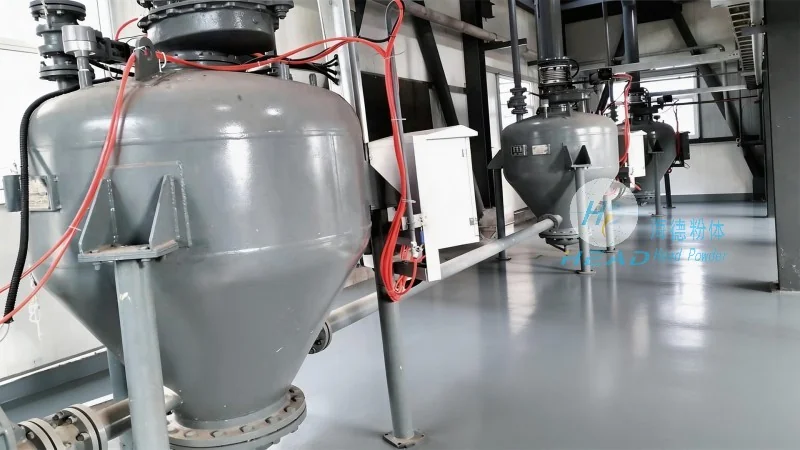
The primary principle behind rubber granule material handling is the mechanical transport of loose, granular materials using specialized equipment. The process typically involves the use of gravity, conveyor systems, or pneumatic methods to move rubber granules from one location to another. Key components in this system include feeders, conveyors, and discharge mechanisms, each designed to handle the unique properties of rubber granules—such as their irregular shape, varying size, and abrasive nature. The efficiency of the material handling system depends on factors like the granule size distribution, moisture content, and the desired throughput rate. Proper design and maintenance of these components are essential to prevent material buildup, blockages, or damage to the equipment.
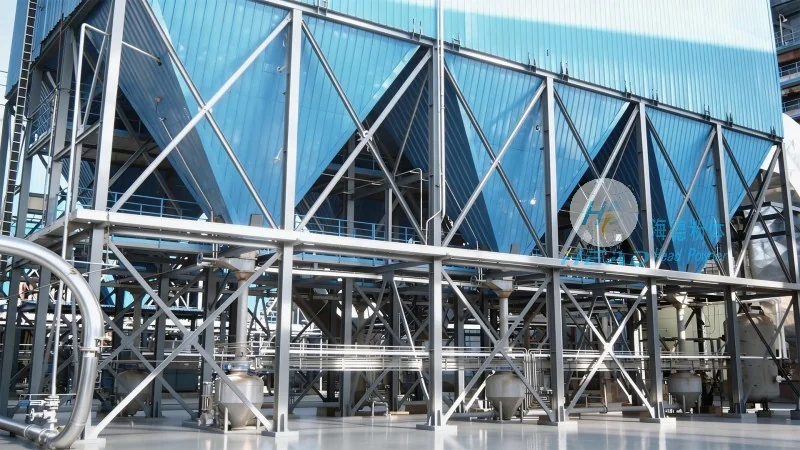
Several types of equipment are commonly employed for rubber granule material handling, each suited to different operational needs. The most prevalent is the belt conveyor, which uses a continuous loop of rubber or fabric belt to transport granules horizontally or at a slight incline. This system is ideal for long-distance transport and can handle large volumes of material with minimal maintenance. Another common option is the screw conveyor, which utilizes a rotating helical screw to push granules forward. Screw conveyors are particularly effective for vertical or inclined transport and can handle sticky or cohesive materials, though they may require more power and are less suitable for very large granules. Pneumatic conveying systems, which use air pressure to move granules through a pipeline, are also used in some applications, especially for fine or dust-like rubber granules. These systems offer high flexibility and can transport materials over long distances without the need for multiple pieces of equipment.
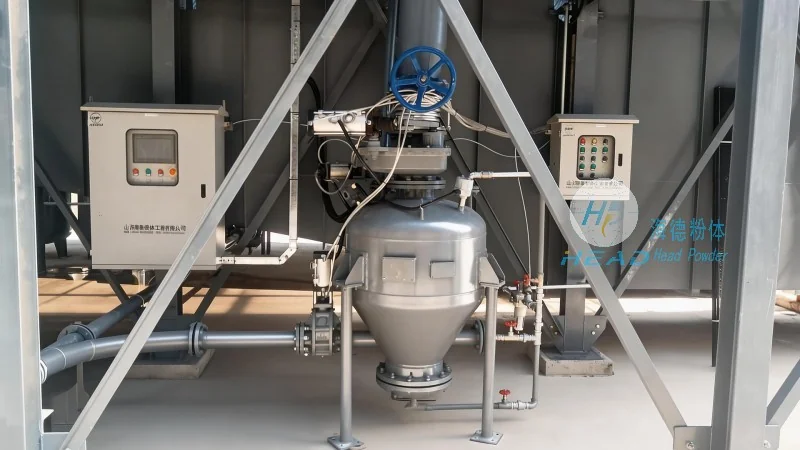
Rubber granule material handling systems are widely used in various industries, each with distinct operational characteristics that influence the choice of equipment and system design. In the sports and recreational industry, for example, rubber granules are used to create safety surfaces for playgrounds and athletic fields. The material handling process in this scenario involves transporting granules from storage to the construction site, often in bulk quantities. The system must be capable of handling the granules without causing dust or contamination, as these materials are used in direct contact with children and athletes. Additionally, the equipment must be durable and easy to clean to maintain hygiene standards. In industrial flooring applications, rubber granules are used to create anti-slip or noise-reducing surfaces. Here, the material handling system is typically integrated into a larger production line, where granules are transported from a mixing station to a finishing or packaging area. The system must ensure consistent material flow and minimal waste, as the granules are often used in high-volume manufacturing processes.
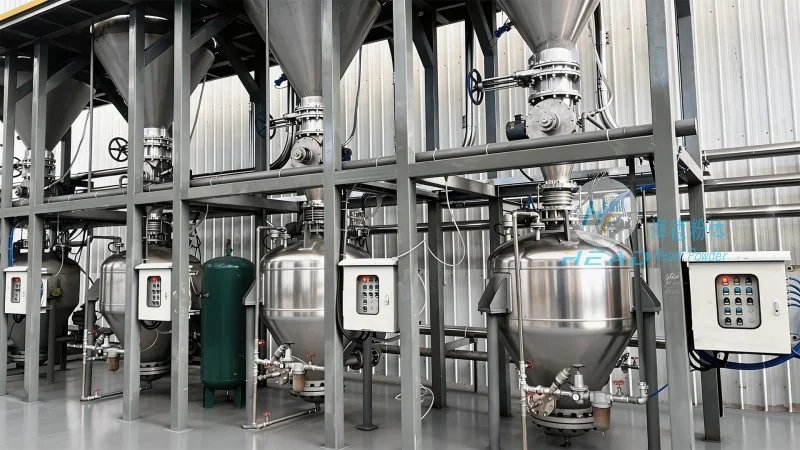
Several operational considerations are critical to ensuring the efficiency and longevity of rubber granule material handling systems. First, the proper sizing of the equipment is essential. The conveyor belt width, screw diameter, and pipeline diameter must be matched to the size and volume of the rubber granules being handled. Oversized equipment can lead to inefficient use of energy and increased wear on components, while undersized equipment may cause blockages or material spillage. Second, regular maintenance is crucial. Rubber granules can be abrasive and may cause wear on conveyor belts, screw flights, and other components. Implementing a preventive maintenance schedule, including inspections, lubrication, and component replacement, can significantly extend the lifespan of the equipment and reduce downtime. Third, the control of moisture content is important. Rubber granules that are too wet can stick to equipment, leading to blockages or reduced throughput. Conversely, overly dry granules may generate dust, which can affect air quality and equipment performance. Proper drying or moisture control measures, such as using dehumidifiers or drying ovens, can help maintain optimal material properties. Finally, the integration of safety features is essential. Rubber granule handling systems often involve moving parts and large volumes of material, which can pose safety risks. Installing safety guards, emergency stop buttons, and monitoring systems can help prevent accidents and ensure compliance with safety regulations.

 Shandong Headpowder Engineering Co., Ltd.
 156-6277-7102(Manager Zhang)
  0531-83386006
  Zhangqiu District, Jinan City, Shandong Province, China
telephone
WeChatconsult
top