With more than 10‑year industry experience, Shandong Headpowder delivers full‑service pneumatic‑conveying systems and blowers, undertaking nationwide turn‑key powder‑handling projects.
For industrial applications involving the handling of ceramic materials, efficient and reliable material transport is crucial. This overview introduces the fundamental concepts, structural components, and operational principles of ceramic pneumatic conveying systems, highlighting the technology's role in modern material processing.
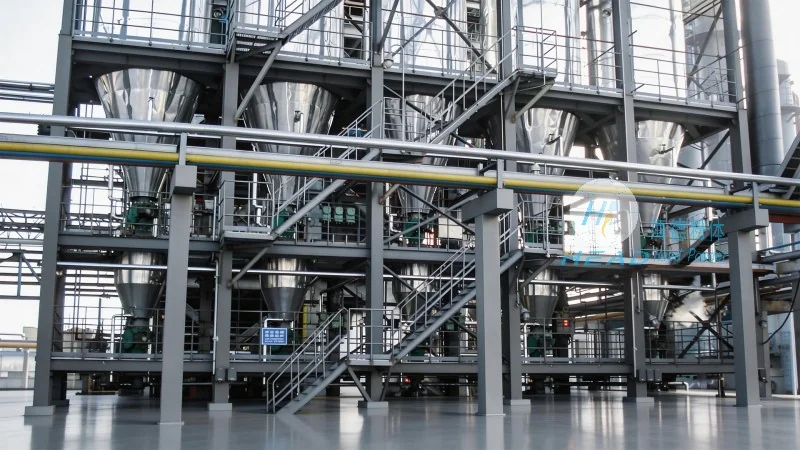
Ceramic pneumatic conveying is a method used to transport dry, powdered or granular ceramic materials through a pipeline using a stream of air or other gas. This technology offers advantages such as low maintenance, the ability to handle abrasive materials, and the prevention of material contamination. The system typically consists of several key components that work in concert to ensure effective material transport.

The core structure of a ceramic pneumatic conveying system includes several essential parts. The primary components are the material feed hopper, which holds the ceramic powder or granules; the air supply system, which generates the necessary airflow; the conveying pipeline, which transports the material; and the discharge unit, where the material is released. Additionally, a filter system is often integrated to capture any fine particles and return clean air to the environment, ensuring compliance with environmental regulations and maintaining system efficiency.
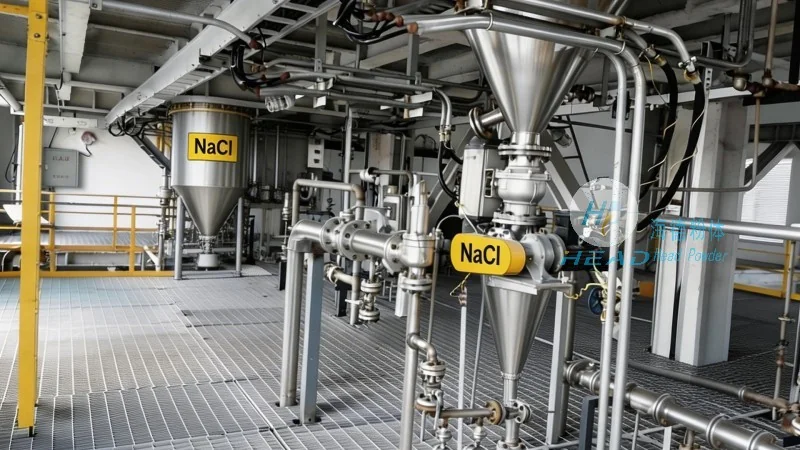
The operational principle of ceramic pneumatic conveying relies on the creation of a low-pressure zone within the pipeline. As air is introduced into the system, it flows through the conveying line, creating a pressure differential that draws the ceramic material from the feed hopper into the airflow. The material is then carried along the pipeline by the moving air stream until it reaches the discharge point. The velocity of the air and the size of the particles are critical factors in determining the system's efficiency and capacity. Proper design ensures that the air velocity is sufficient to lift and transport the ceramic particles without causing excessive wear on the system components.
Implementing ceramic pneumatic conveying in industrial settings offers several benefits. The system is particularly effective for handling abrasive or delicate ceramic materials, as it minimizes direct contact between the material and the conveying equipment, reducing wear and extending equipment lifespan. Additionally, the enclosed pipeline design prevents dust contamination and environmental pollution, making it suitable for applications where material purity is paramount. The flexibility of the system allows for easy integration into existing production lines, and its compact design can help optimize factory floor space.
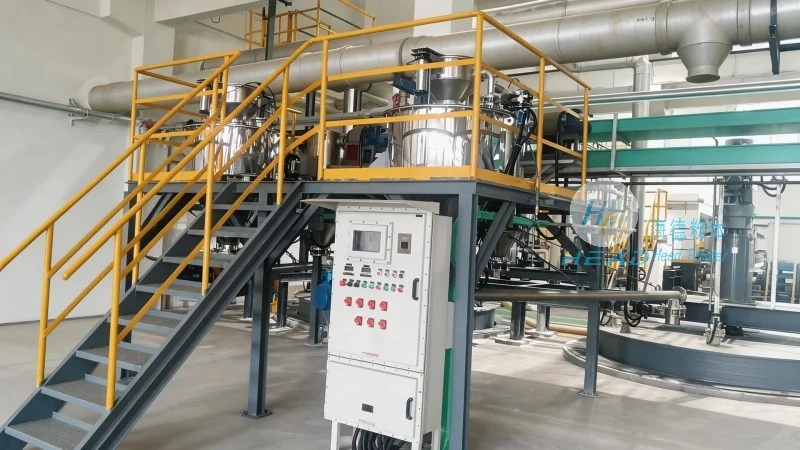
HeadPowder, a leading provider of material handling solutions, specializes in the design, manufacturing, and installation of ceramic pneumatic conveying systems. With a focus on quality and innovation, the company serves a wide range of industries, including ceramics, pharmaceuticals, and food processing. HeadPowder's expertise lies in customizing systems to meet specific customer requirements, ensuring optimal performance and reliability. The company's headquarters is located in Shandong, China, where it leverages local manufacturing capabilities to deliver high-quality products and services to global markets.

 Shandong Headpowder Engineering Co., Ltd.
 156-6277-7102(Manager Zhang)
  0531-83386006
  Zhangqiu District, Jinan City, Shandong Province, China
telephone
WeChatconsult
top