With more than 10‑year industry experience, Shandong Headpowder delivers full‑service pneumatic‑conveying systems and blowers, undertaking nationwide turn‑key powder‑handling projects.
Plug-type pneumatic conveying systems represent a sophisticated method of material handling, particularly suited for transporting powders and granular materials over moderate distances with efficiency and control. This technology is widely adopted in industries such as pharmaceuticals, food processing, and chemical manufacturing due to its ability to maintain product integrity while minimizing contamination risks. The core principle involves the creation of a "plug" or a dense, solid column of material that moves through a pipeline under pressure, distinguishing it from other pneumatic conveying methods like dilute-phase systems.
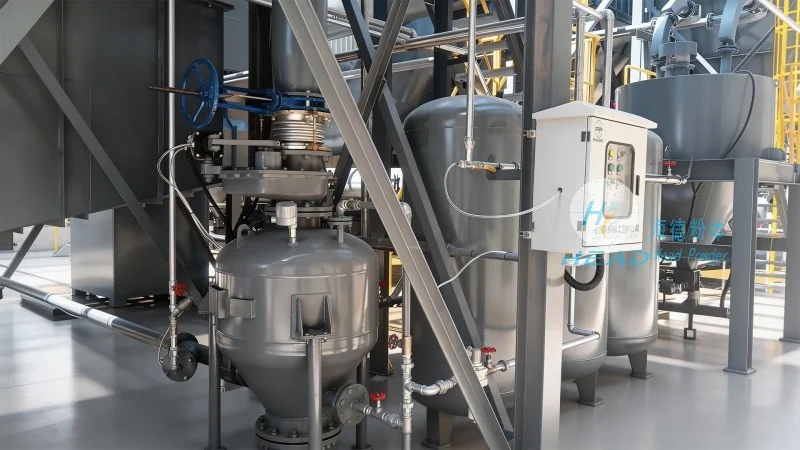
The plug-type system comprises several critical components that work in concert to ensure effective operation. At the heart of the system is the conveying pipeline, typically made of materials like stainless steel or plastic, which provides the pathway for the material plug. The pipeline is equipped with inlet and outlet points that facilitate the introduction and removal of material. A feed hopper is used to store and meter the bulk material before it is introduced into the system, ensuring a consistent flow rate. The air compressor or blower generates the necessary pressure to push the material plug through the pipeline. Additionally, control valves and pressure sensors are integrated to regulate the system's performance, maintaining optimal pressure levels and preventing overloading or blockages.
The operation of a plug-type pneumatic conveying system begins with the material being fed from the hopper into the pipeline. As the material enters, it forms a dense, compact column known as a "plug." This plug is then propelled forward by the pressurized air generated by the compressor. The air flows around the plug, creating a low-pressure zone behind it that pulls the plug forward, while the high-pressure air ahead of the plug maintains its shape and movement. This mechanism allows for a continuous, steady flow of material without the need for constant agitation or vibration, which can be detrimental to sensitive products. The system's design ensures that the material remains in a solid state throughout the conveying process, reducing the risk of segregation or degradation.
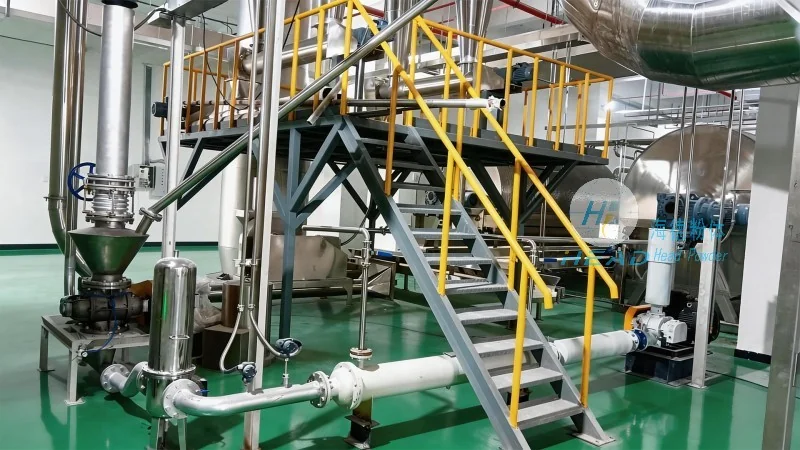
Plug-type systems offer several advantages over alternative material handling methods. One of the primary benefits is the ability to maintain product purity and integrity, as the material is contained within a closed pipeline, minimizing exposure to external contaminants. This is particularly important in industries where product quality and safety are paramount, such as pharmaceuticals and food processing. Additionally, plug-type systems are highly efficient in terms of energy consumption, as they require less air volume compared to dilute-phase systems, resulting in lower operational costs. The system also provides excellent control over the material flow rate, allowing for precise dosing and batching. Furthermore, plug-type conveying can handle a wide range of materials, including fine powders and abrasive granules, without causing excessive wear on the equipment.
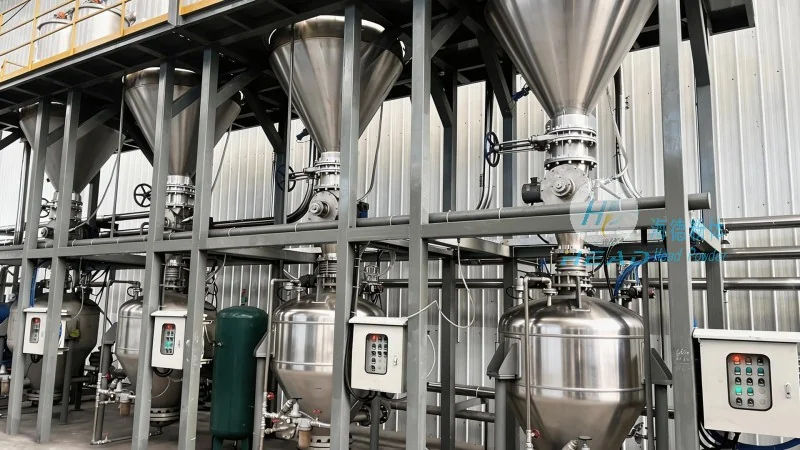
Plug-type pneumatic conveying systems are utilized across various industries due to their versatility and effectiveness. In the pharmaceutical industry, they are used to transport active pharmaceutical ingredients (APIs) and excipients with strict purity requirements. In food processing, they handle ingredients like flour, sugar, and spices, ensuring that the products remain free from contamination and maintain their quality. The chemical industry also benefits from plug-type systems when conveying powders and granules, such as in the production of fertilizers or specialty chemicals. Additionally, these systems are employed in the cement and mining sectors for transporting raw materials and finished products, where durability and reliability are essential.
Shandong HeadPowder Engineering Co., Ltd., operating under the brand name headpowder, is a leading provider of advanced material handling solutions. With a focus on innovation and quality, the company specializes in designing and manufacturing plug-type pneumatic conveying systems tailored to the specific needs of various industries. HeadPowder's expertise lies in creating customized solutions that enhance operational efficiency while ensuring compliance with industry standards and regulations. The company's commitment to customer satisfaction and product excellence has established it as a trusted partner in the material handling sector. HeadPowder's facilities are located in Shandong, China, where the company leverages local resources and expertise to deliver high-quality products and services to clients worldwide.

 Shandong Headpowder Engineering Co., Ltd.
 156-6277-7102(Manager Zhang)
  0531-83386006
  Zhangqiu District, Jinan City, Shandong Province, China
telephone
WeChatconsult
top