With more than 10‑year industry experience, Shandong Headpowder delivers full‑service pneumatic‑conveying systems and blowers, undertaking nationwide turn‑key powder‑handling projects.
HeadPowder, a leading manufacturer based in Shandong, China, specializes in the design and production of advanced pneumatic conveying systems tailored for paddy grain handling. This article provides a comprehensive overview of the paddy grain pneumatic conveying system, detailing its structural components and operational principles to help users understand its functionality and benefits.
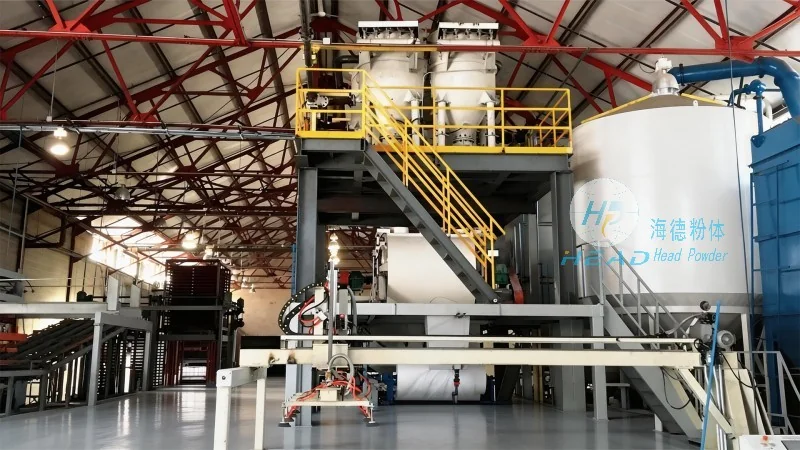
The paddy grain pneumatic conveying system consists of several critical components that work in tandem to transport paddy grain efficiently. The main parts include the hopper, which serves as the storage and feeding unit where paddy grain is loaded before being conveyed. The hopper is equipped with a feeding mechanism, such as a rotary valve or a screw feeder, that regulates the flow of grain into the system. The conveying pipeline is a crucial part of the system, typically made of stainless steel or other corrosion-resistant materials to withstand the abrasive nature of paddy grain. The pipeline is connected to a series of bends and elbows that guide the grain along the desired path. At the receiving end, a separator or a cyclone is used to separate the conveyed grain from the air, ensuring that the grain is deposited in the target container without any loss or contamination. The system also includes a fan or a blower that generates the necessary air pressure to move the grain through the pipeline. The fan is typically located at the discharge end of the system, drawing air from the environment and forcing it through the pipeline at a high velocity. The control panel is another important component, which allows operators to monitor and adjust the system's parameters, such as the air pressure, flow rate, and feeding speed, to optimize performance and prevent system failures.
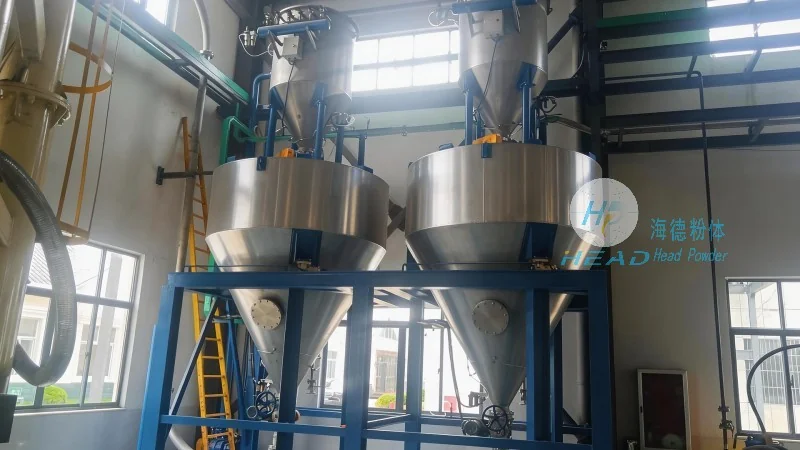
The operation of the paddy grain pneumatic conveying system is based on the principle of pneumatic transport, where the grain is suspended in a stream of air and transported through the pipeline. The process begins with the paddy grain being loaded into the hopper. The feeding mechanism then starts to discharge the grain into the pipeline, where it is mixed with the air from the fan. The air velocity is maintained at a level that is sufficient to keep the grain particles suspended, preventing them from settling or clogging the pipeline. As the mixture travels through the pipeline, it passes through various bends and elbows, which are designed to minimize pressure loss and ensure smooth flow. At the receiving end, the separator or cyclone uses centrifugal force to separate the grain from the air. The air is then discharged to the atmosphere, while the grain is collected in the receiving container. The control panel continuously monitors the system's performance, adjusting the air pressure and flow rate as needed to maintain optimal operation. The entire process is automated, allowing for efficient and continuous transport of paddy grain from the source to the destination.
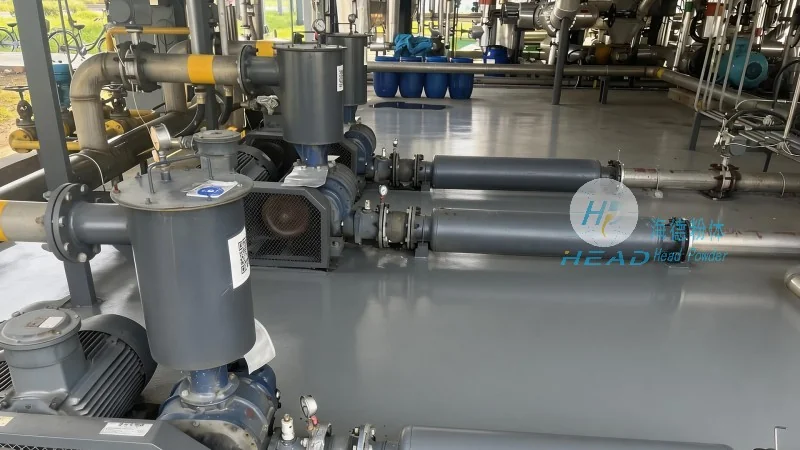
HeadPowder's paddy grain pneumatic conveying systems offer several advantages over traditional conveying methods, such as belt conveyors or bucket elevators. One of the main benefits is the ability to transport paddy grain over long distances without the need for multiple transfer points or intermediate storage. This reduces the risk of contamination and loss, as the grain is handled in a closed system. Another advantage is the high efficiency of the system, which can transport large volumes of paddy grain at a high speed, reducing the overall handling time. The system is also relatively low maintenance, as it has fewer moving parts compared to other conveying systems. Additionally, the use of stainless steel materials ensures that the system is resistant to corrosion and wear, extending its service life. The automated control system allows for precise control of the conveying process, minimizing the risk of human error and ensuring consistent performance.
Paddy grain pneumatic conveying systems are widely used in various industries, including rice mills, food processing plants, and agricultural storage facilities. In rice mills, the system is used to transport paddy grain from the storage silos to the processing units, such as the husker and the miller. The high efficiency of the system allows for continuous processing of large quantities of paddy grain, improving the overall productivity of the mill. In food processing plants, the system is used to transport paddy grain to the cleaning and sorting units, where impurities are removed before further processing. The closed system ensures that the grain is handled hygienically, meeting the food safety standards. In agricultural storage facilities, the system is used to transfer paddy grain from the field to the storage silos, reducing the risk of spoilage and loss due to weather conditions. The flexibility of the system allows it to be adapted to different applications, making it a versatile solution for various paddy grain handling needs.
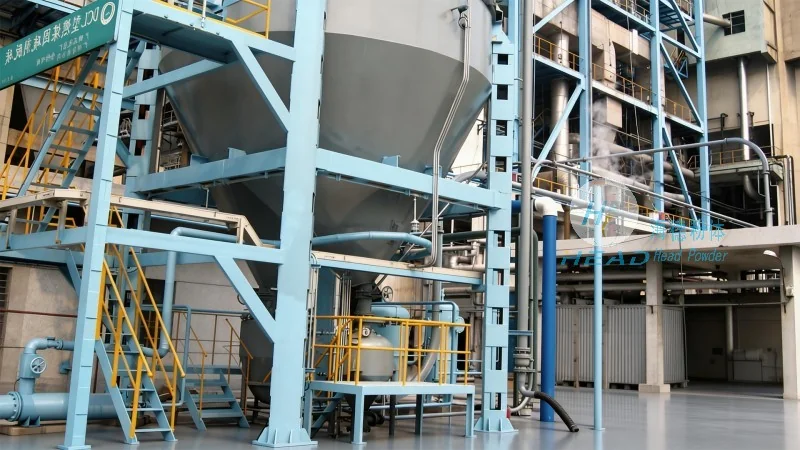
HeadPowder's paddy grain pneumatic conveying systems are an efficient and reliable solution for transporting paddy grain. The system's design and operational principles ensure that the grain is handled safely and effectively, while the advanced components and control systems provide high performance and low maintenance. With its wide range of applications and benefits, the paddy grain pneumatic conveying system is an essential equipment for any paddy grain handling operation. HeadPowder, as a leading manufacturer based in Shandong, China, continues to innovate and improve its products to meet the evolving needs of the industry.

 Shandong Headpowder Engineering Co., Ltd.
 156-6277-7102(Manager Zhang)
  0531-83386006
  Zhangqiu District, Jinan City, Shandong Province, China
telephone
WeChatconsult
top