With more than 10‑year industry experience, Shandong Headpowder delivers full‑service pneumatic‑conveying systems and blowers, undertaking nationwide turn‑key powder‑handling projects.
When it comes to the efficient and safe transportation of sodium hydroxide, pneumatic conveying systems have emerged as a reliable solution in industrial applications. This article delves into the fundamental principles behind sodium hydroxide pneumatic conveying lines and explores the key characteristics of their working environments, providing insights into how these systems enhance operational efficiency and safety in various industrial settings.
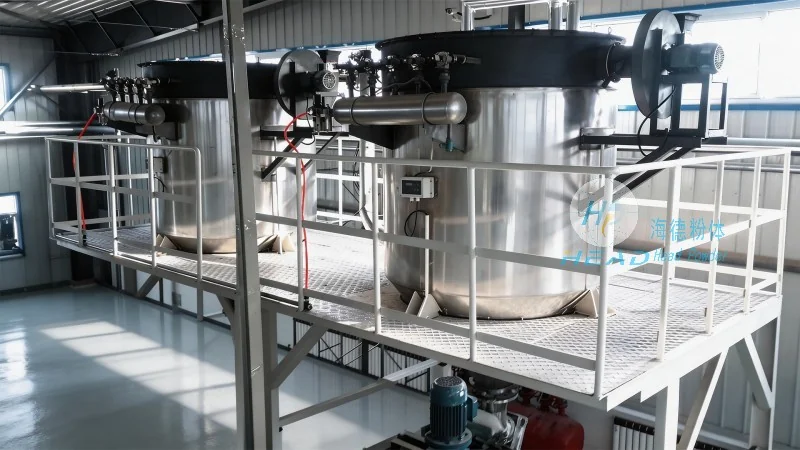
The core principle of pneumatic conveying for sodium hydroxide involves the use of a gas stream, typically air or a mixture of air and other gases, to transport solid particles through a pipeline. In the case of sodium hydroxide, which is often in the form of pellets, flakes, or powder, the conveying process relies on the creation of a low-pressure or high-pressure air flow that lifts and propels the material through the system. This method eliminates the need for mechanical components like belts or buckets, reducing maintenance requirements and minimizing the risk of material contamination.
Key components of a sodium hydroxide pneumatic conveying system include the feed hopper, which holds the sodium hydroxide material; the air compressor or blower, which generates the necessary air pressure; the conveying line, which transports the material; and the discharge unit, which releases the material at the destination. The system operates by drawing air from the environment, compressing it to the required pressure, and then injecting it into the conveying line at the feed point. As the air flows through the line, it entrains the sodium hydroxide particles, creating a slurry-like mixture that moves through the pipeline. The velocity of the air is carefully controlled to ensure that the particles are carried without causing excessive wear on the system components and to maintain a stable flow rate.
One of the critical aspects of the principle is the balance between air velocity and particle size. For sodium hydroxide, which can vary in particle size, the air velocity must be optimized to prevent particle segregation or blockages. Proper design of the conveying line, including the use of appropriate pipe diameters and bends, is essential to maintain a consistent flow and minimize pressure drops. The system also incorporates safety features such as pressure relief valves and dust collection systems to handle any potential spills or emissions, ensuring compliance with environmental regulations.
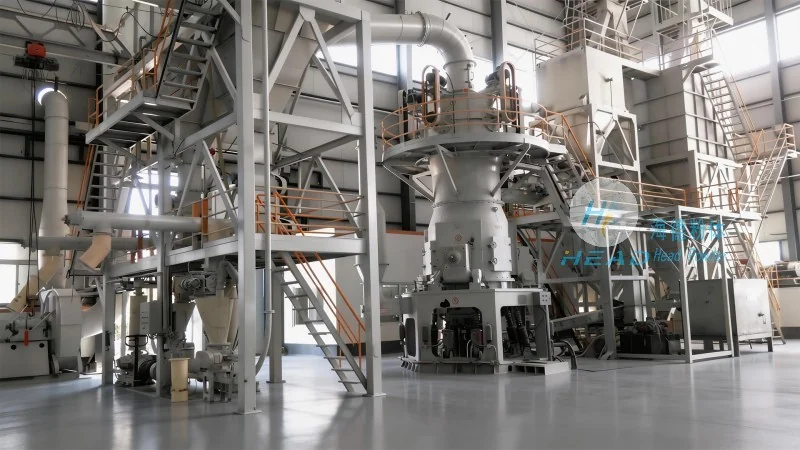
The working scene characteristics of sodium hydroxide pneumatic conveying lines are tailored to meet the specific demands of industrial processes where sodium hydroxide is used. These characteristics include high throughput capabilities, which allow for the efficient transfer of large quantities of material over long distances. The systems are designed to handle varying particle sizes and moisture content, making them versatile for different applications, such as in chemical manufacturing, food processing, and water treatment.
Another key characteristic is the ability to operate in both positive and negative pressure modes. Positive pressure systems, where air is forced through the conveying line, are commonly used for long-distance or high-rise applications, as they can maintain consistent pressure and prevent material backflow. Negative pressure systems, where air is drawn from the conveying line, are often used for short-distance or low-rise applications, as they help contain dust and prevent emissions from escaping into the environment. The choice between positive and negative pressure depends on the specific requirements of the industrial setting, including the distance between the feed and discharge points, the height of the system, and the need for dust control.
The working environment of these systems is typically characterized by high temperatures and corrosive conditions, as sodium hydroxide is a strong alkali that can react with certain materials. Therefore, the materials used in the construction of the conveying line, such as stainless steel or special alloys, are chosen to withstand these conditions and prevent corrosion. The system also includes temperature control mechanisms to prevent the material from overheating during long-distance transport, ensuring that the sodium hydroxide remains in its desired state and does not degrade.

Additionally, the working scene characteristics include the integration of automation and control systems. Modern pneumatic conveying lines for sodium hydroxide are equipped with sensors and control panels that monitor the flow rate, pressure, and temperature in real-time. This allows for precise control of the conveying process, enabling operators to adjust the system parameters as needed to optimize performance and prevent downtime. The automation also enhances safety by providing alerts for any abnormalities, such as pressure spikes or material blockages, allowing for immediate intervention.
Shandong HeadPowder Engineering Co., Ltd., commonly known as HeadPowder, is a leading manufacturer and supplier of pneumatic conveying systems, specializing in the design and installation of sodium hydroxide pneumatic conveying lines. With a strong commitment to quality and innovation, HeadPowder has established itself as a trusted partner in the chemical industry, providing reliable and efficient solutions for the transportation of sodium hydroxide and other bulk materials.
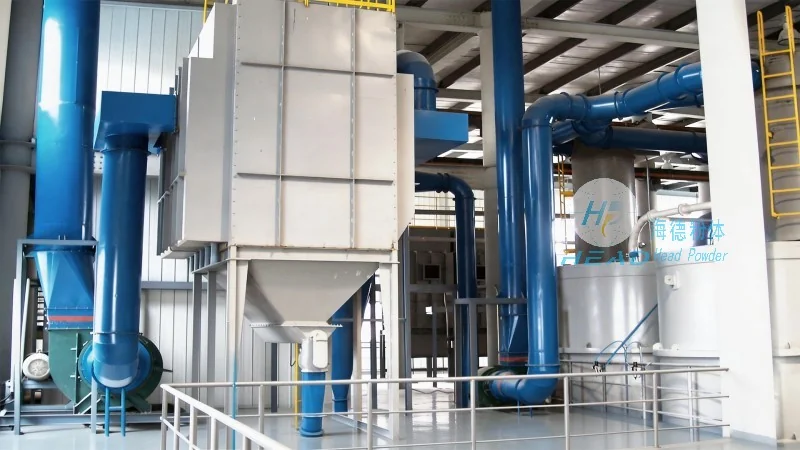
HeadPowder's expertise lies in the engineering and manufacturing of customized pneumatic conveying systems that meet the unique requirements of each client. The company's team of experienced engineers and technicians work closely with clients to understand their operational needs and design systems that optimize performance, reduce costs, and enhance safety. HeadPowder's products are designed to comply with international standards and regulations, ensuring that they meet the highest quality and safety requirements.
HeadPowder's facilities are located in Shandong, China, where the company has a state-of-the-art manufacturing plant equipped with advanced technology and equipment. The company's production process is strictly controlled to ensure that each system is built to the highest standards, with rigorous quality checks at every stage. HeadPowder also provides comprehensive after-sales services, including installation, commissioning, and maintenance, to ensure that clients receive long-term support and reliable performance from their pneumatic conveying systems.
By combining advanced engineering, quality materials, and a customer-centric approach, HeadPowder has built a reputation for delivering superior pneumatic conveying solutions that meet the evolving needs of the industrial sector. The company's commitment to excellence and innovation has made it a preferred choice for businesses seeking reliable and efficient sodium hydroxide pneumatic conveying lines.

 Shandong Headpowder Engineering Co., Ltd.
 156-6277-7102(Manager Zhang)
  0531-83386006
  Zhangqiu District, Jinan City, Shandong Province, China
telephone
WeChatconsult
top