With more than 10‑year industry experience, Shandong Headpowder delivers full‑service pneumatic‑conveying systems and blowers, undertaking nationwide turn‑key powder‑handling projects.
Small material pneumatic conveying systems represent a sophisticated and efficient solution for transporting fine powders and granules over short to medium distances. These systems leverage air or gas as the primary conveying medium, offering advantages such as low maintenance requirements, minimal product contamination, and the ability to handle materials that are otherwise difficult to transport using traditional methods. In this article, we will provide a comprehensive overview of the structure and operational principles of small material pneumatic conveying systems, with a focus on their practical applications and benefits.
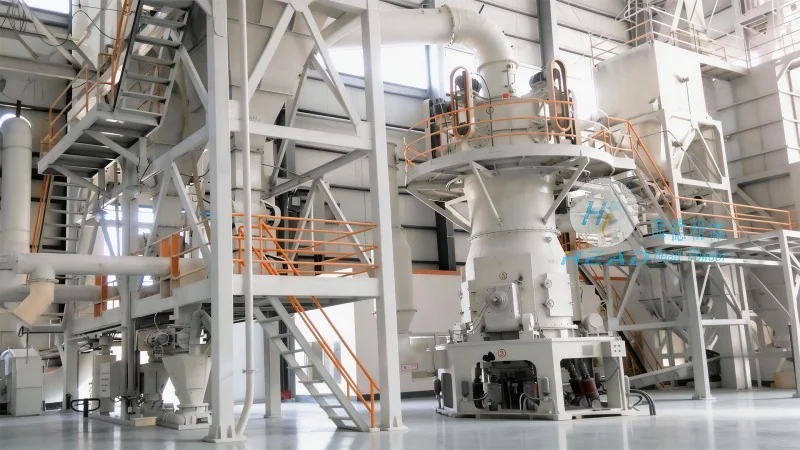
Shandong HeadPowder Engineering Co., Ltd., commonly known as HeadPowder, is a leading manufacturer specializing in pneumatic conveying equipment. HeadPowder has built a strong reputation for delivering high-quality, reliable systems tailored to the unique needs of various industries. With a commitment to innovation and customer satisfaction, the company provides comprehensive solutions that enhance material handling efficiency and operational performance. HeadPowder's expertise spans the design, manufacturing, and installation of pneumatic conveying systems, ensuring that clients receive products that meet strict industry standards and performance expectations.
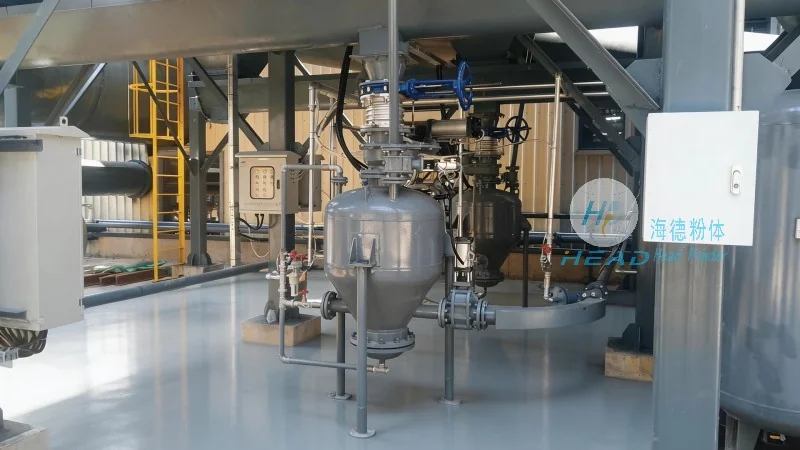
The fundamental structure of a small material pneumatic conveying system comprises several interconnected components that work in harmony to achieve material transport. The primary components include a hopper or feed bin, which serves as the storage vessel for the material to be conveyed. A feeder, typically a rotary valve or screw feeder, regulates the flow of material from the hopper into the system, ensuring consistent and controlled discharge. The conveying line, usually a rigid or flexible pipe, forms the main pathway for the material and air mixture. At the receiving end, a separator or filter separates the material from the air stream, allowing the material to be deposited into a collection bin or container. A blower or compressor generates the necessary air pressure to drive the material through the system, with the air being managed by a dust collector or vacuum system to maintain air quality and compliance with environmental regulations. Each component is critical to the system's overall performance and reliability.
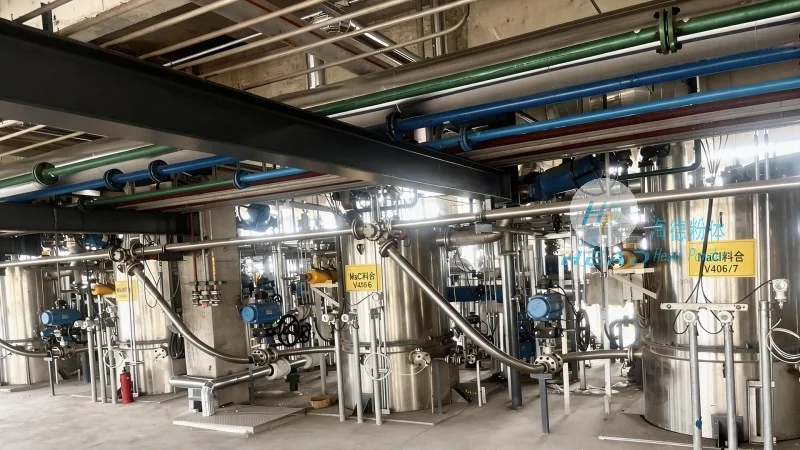
The operation of a small material pneumatic conveying system is based on the principles of fluidization and suspension. When air is introduced into the conveying line at a velocity sufficient to overcome the gravitational force acting on the material particles, the particles become suspended in the air stream. This process creates a low-pressure zone that draws material from the hopper into the pipe. The air velocity is carefully controlled to ensure that the material particles remain fully suspended without being damaged or deformed during transport. The system can operate in either positive pressure or negative pressure modes. Positive pressure systems utilize a blower to push air and material through the line, while negative pressure systems employ a vacuum to pull material from the source. The choice between these modes depends on factors such as the distance to be covered, the material properties, and the desired system configuration.
Small material pneumatic conveying systems offer several distinct advantages over traditional material handling methods. One key benefit is the reduction in labor costs, as the systems operate with minimal human intervention once set up. The enclosed nature of the system ensures that the material remains clean and free from contamination, which is particularly important in industries such as food, pharmaceuticals, and chemicals. Additionally, these systems allow for the transport of materials over long distances without the need for multiple transfer points or intermediate storage, improving overall workflow efficiency. The low maintenance requirements and long service life of pneumatic conveying equipment contribute to significant cost savings over time. Furthermore, the flexibility of these systems enables easy integration into existing production lines, allowing for seamless material flow and adaptability to changing operational needs.
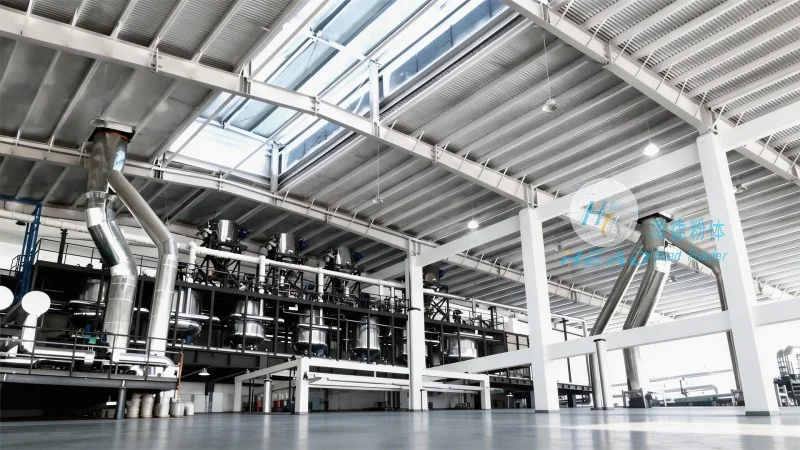
Small material pneumatic conveying systems find widespread application across a variety of industries due to their versatility and efficiency. In the food and beverage industry, these systems are commonly used to transport fine powders such as flour, sugar, and spices, ensuring that the products remain hygienic and free from cross-contamination. The pharmaceutical industry relies on pneumatic conveying for handling sensitive materials like active pharmaceutical ingredients (APIs) and granules, maintaining strict quality control and regulatory compliance. The chemical industry utilizes these systems to transport various powders and granules, including raw materials and byproducts, while the minerals processing industry applies them to move raw ores and processed minerals. Other industries, such as plastics, ceramics, and agricultural products, also benefit from the ability to efficiently convey small materials using pneumatic systems. The adaptability of small material pneumatic conveying systems makes them a preferred choice for businesses seeking reliable and cost-effective material handling solutions.
Small material pneumatic conveying systems represent a modern and effective approach to material handling, offering numerous benefits that enhance operational efficiency and product quality. By understanding the structural components and working principles of these systems, businesses can make informed decisions about implementing such technology to improve their material transport processes. Shandong HeadPowder Engineering Co., Ltd. remains dedicated to advancing the field of pneumatic conveying with innovative solutions that meet the evolving demands of various industries. With a focus on quality, reliability, and customer satisfaction, HeadPowder continues to be a trusted partner for businesses seeking to optimize their material handling operations and achieve greater productivity.

 Shandong Headpowder Engineering Co., Ltd.
 156-6277-7102(Manager Zhang)
  0531-83386006
  Zhangqiu District, Jinan City, Shandong Province, China
telephone
WeChatconsult
top