With more than 10‑year industry experience, Shandong Headpowder delivers full‑service pneumatic‑conveying systems and blowers, undertaking nationwide turn‑key powder‑handling projects.
Quartz powder, a widely used industrial material, often requires efficient and reliable transportation methods to ensure smooth production processes. Pneumatic conveying systems have emerged as a preferred solution for handling such powders due to their ability to transport materials in a dust-free environment, enhance safety, and improve operational efficiency. This article provides an overview of quartz powder pneumatic conveying systems, detailing their structural components and the underlying principles that enable effective material transport.
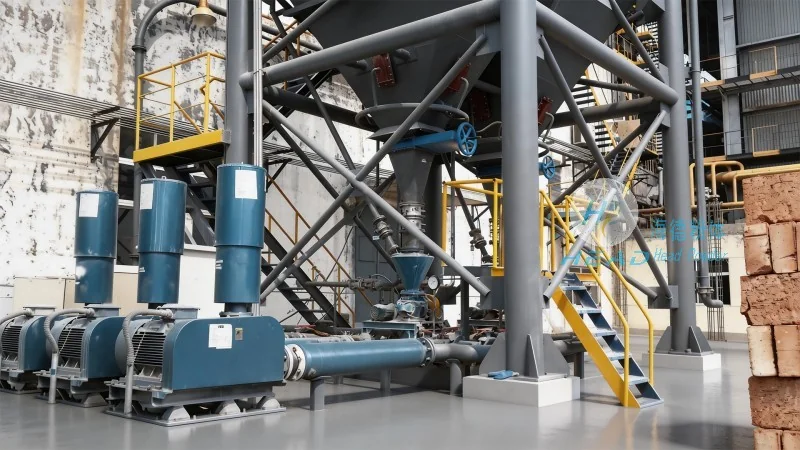
HeadPowder, a leading provider in the field of material handling solutions, specializes in the design, manufacturing, and installation of pneumatic conveying systems tailored to diverse industrial needs. With a strong commitment to quality and innovation, the company has established itself as a trusted partner for businesses seeking efficient and sustainable material transport solutions. HeadPowder’s expertise lies in understanding the unique challenges associated with handling quartz powder and developing customized systems that meet specific operational requirements.
Pneumatic conveying systems utilize air or gas to transport solid materials like quartz powder through a network of pipes and components. These systems are particularly advantageous for quartz powder, which is often fine and can be prone to dust generation during traditional handling methods. The primary goal of such systems is to move the powder from a source point to a destination point while maintaining product integrity, minimizing contamination, and ensuring a safe working environment.
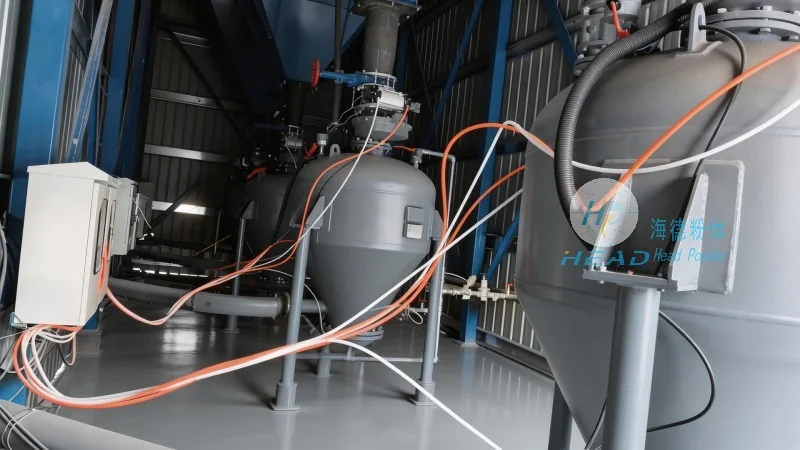
The effectiveness of a quartz powder pneumatic conveying system relies on several critical components that work in harmony to achieve efficient material transport. These components include:
The operation of a quartz powder pneumatic conveying system is based on the fundamental principle of fluidization and suspension of the solid particles in the air stream. When air is introduced into the conveying line at a sufficient velocity, it creates a flow that lifts and transports the quartz powder particles. The key to effective conveying lies in maintaining an appropriate air velocity and pressure to keep the powder suspended without causing excessive wear on the system components or excessive energy consumption.
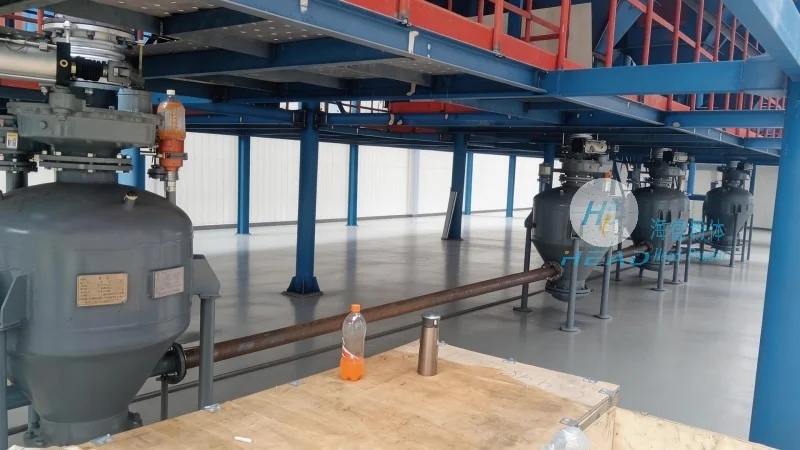
There are two main types of pneumatic conveying systems: pressure and vacuum systems. Pressure systems use compressed air to push the powder from the source to the destination, while vacuum systems use a vacuum to pull the powder. For quartz powder, the choice between these systems depends on factors such as the distance to be covered, the required flow rate, and the specific characteristics of the powder, including its particle size, density, and moisture content.
Implementing a pneumatic conveying system for quartz powder offers numerous advantages over traditional methods. These benefits include:
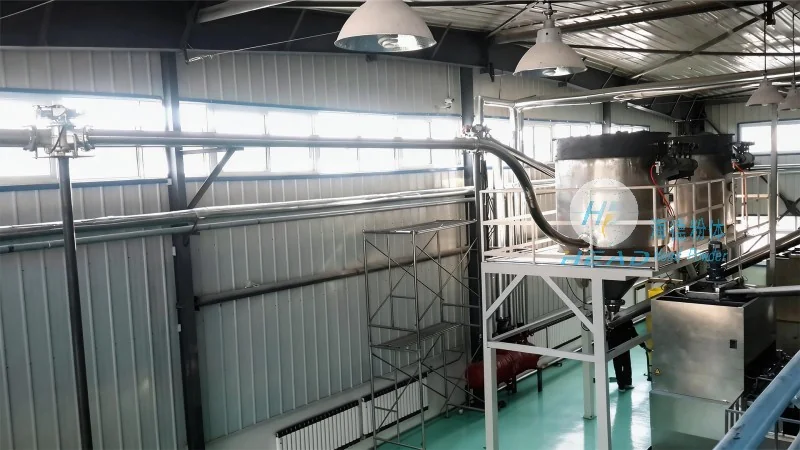
Quartz powder pneumatic conveying systems are widely used in various industries, including mining, manufacturing, and construction. They are particularly beneficial for applications that require the transport of fine powders over moderate distances, such as in the production of glass, ceramics, and refractory materials. When selecting a system, several factors must be considered to ensure optimal performance:
Quartz powder pneumatic conveying systems represent a sophisticated and efficient solution for the transportation of fine industrial powders. By understanding the structural components and working principles of these systems, businesses can make informed decisions about implementing or upgrading their material handling infrastructure. With the expertise of companies like Shandong HeadPowder Engineering Co., Ltd., organizations can ensure that their quartz powder is transported safely, efficiently, and with minimal environmental impact, supporting their overall operational goals and product quality standards.

 Shandong Headpowder Engineering Co., Ltd.
 156-6277-7102(Manager Zhang)
  0531-83386006
  Zhangqiu District, Jinan City, Shandong Province, China
telephone
WeChatconsult
top