With more than 10‑year industry experience, Shandong Headpowder delivers full‑service pneumatic‑conveying systems and blowers, undertaking nationwide turn‑key powder‑handling projects.
HeadPowder, a leading engineering company based in Shandong, China, specializes in the design and implementation of advanced pneumatic conveying systems tailored for corn starch processing industries. This article explores the fundamental principles behind corn starch pneumatic conveying lines and highlights the key characteristics of their operational environments.
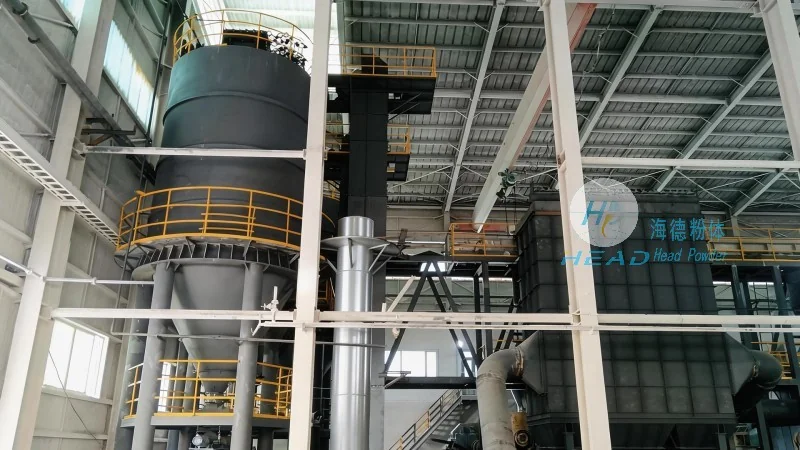
Pneumatic conveying systems utilize air or gas to transport bulk materials like corn starch from one location to another. These systems are widely adopted in the food processing sector due to their efficiency, hygiene, and ability to handle delicate materials without mechanical contact. The core components of a typical corn starch pneumatic conveying line include a hopper for material storage, a conveyor line (either positive or negative pressure), a dust collection system, and a discharge outlet. The system operates by creating a pressure differential that propels the corn starch particles through the pipeline using compressed air or vacuum.
The operation of corn starch pneumatic conveying lines is based on the principles of fluid dynamics and material handling. In positive pressure systems, compressed air is introduced into the hopper, forcing the corn starch to flow through the pipeline. The air velocity is carefully controlled to ensure the material is carried without causing degradation or agglomeration. Negative pressure systems, on the other hand, use vacuum to draw the corn starch from the source and transport it to the destination. Both methods are effective, but the choice depends on the specific application requirements, such as the distance of transport and the material's properties.
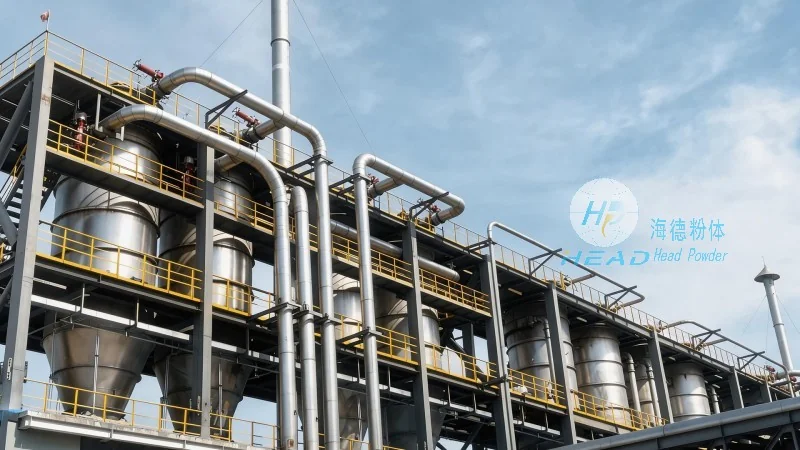
The working environments for corn starch pneumatic conveying systems are characterized by several critical factors that impact system performance and efficiency. Firstly, the material's hygroscopic nature means that moisture control is essential to prevent caking or clumping during transport. The systems are often equipped with temperature and humidity monitoring to maintain optimal conditions. Secondly, the need for high hygiene standards in food processing facilities dictates the use of stainless steel components and sealed pipelines to prevent contamination. This ensures compliance with food safety regulations and maintains product quality. Thirdly, the operational flexibility of these systems allows for integration with existing production lines, enabling seamless material transfer between storage, processing, and packaging stages. The ability to handle varying flow rates and material loads further enhances their adaptability in dynamic industrial settings.
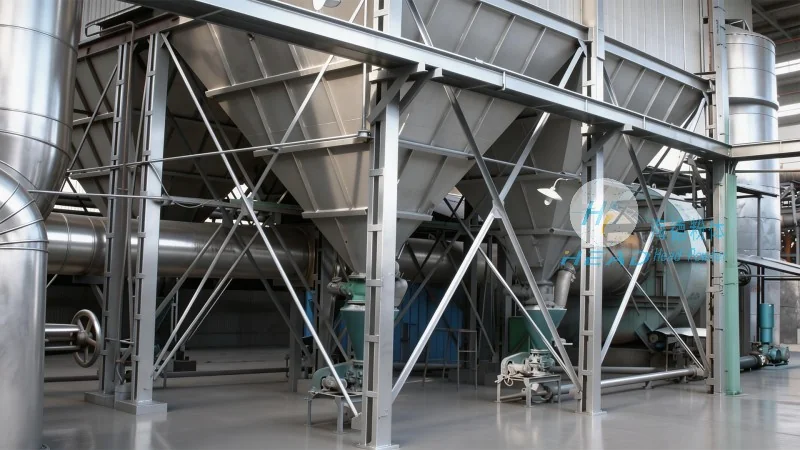
Corn starch pneumatic conveying lines are commonly employed in various industrial settings, including starch processing plants, food manufacturing facilities, and chemical production sites. In starch processing, these systems efficiently transport raw corn starch from storage silos to processing units, such as grinding or refining equipment. The smooth and continuous operation of the conveying line minimizes downtime and maximizes production throughput. In food manufacturing, the systems are used to transfer starch for use in baking, brewing, or other food products, ensuring consistent quality and reduced manual handling risks. The operational efficiency of these systems is further enhanced by advanced control systems that monitor pressure, flow rates, and material levels in real-time, allowing for immediate adjustments to maintain optimal performance.
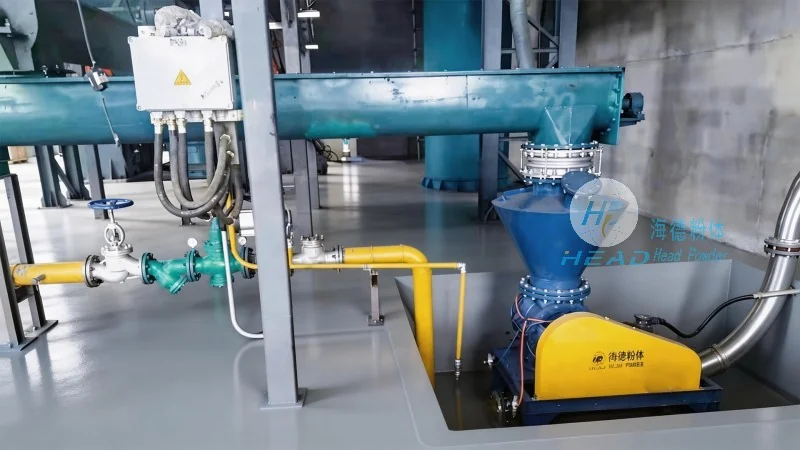
Implementing corn starch pneumatic conveying systems offers several advantages over traditional mechanical conveying methods. These include reduced labor costs due to automated material handling, improved product quality through minimal physical contact, and enhanced safety by eliminating the need for manual loading and unloading. However, there are also considerations to keep in mind, such as the initial investment cost for the system and the need for regular maintenance to ensure optimal performance. The system's design must also account for the material's specific properties, including its density, flowability, and potential for dust generation, to prevent system blockages or inefficiencies.
HeadPowder's expertise in designing and installing corn starch pneumatic conveying lines ensures that clients in the food and processing industries receive reliable, efficient, and hygienic solutions tailored to their specific needs. By understanding the fundamental principles and operational characteristics of these systems, businesses can optimize their material handling processes, improve productivity, and maintain compliance with industry standards. The integration of advanced technology and engineering knowledge in these systems continues to drive innovation in bulk material transport, making pneumatic conveying an indispensable part of modern industrial operations.

 Shandong Headpowder Engineering Co., Ltd.
 156-6277-7102(Manager Zhang)
  0531-83386006
  Zhangqiu District, Jinan City, Shandong Province, China
telephone
WeChatconsult
top