

The Working Principle and Features of a Hydrated Ammonium Nitrate Pneumatic Conveying System
For industrial applications involving the handling of hydrated ammonium nitrate, a pneumatic conveying system offers an efficient and reliable solution. This article explores the working principle and key features of such a system, highlighting how it operates and the advantages it provides in material transport.
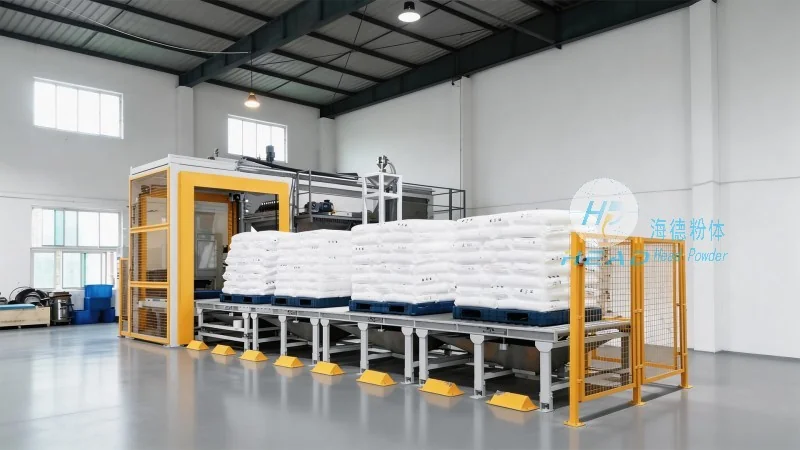
Introduction to Hydrated Ammonium Nitrate Pneumatic Conveying
Hydrated ammonium nitrate (HAN) is a common fertilizer and industrial chemical that requires careful handling due to its moisture content and potential reactivity. Traditional bulk material handling methods, such as belt conveyors or screw conveyors, may not be suitable for HAN due to the risk of caking, corrosion, or uneven material flow. A pneumatic conveying system provides an alternative that addresses these challenges by using air to transport the material through a pipeline network.
Working Principle of the Pneumatic Conveying System
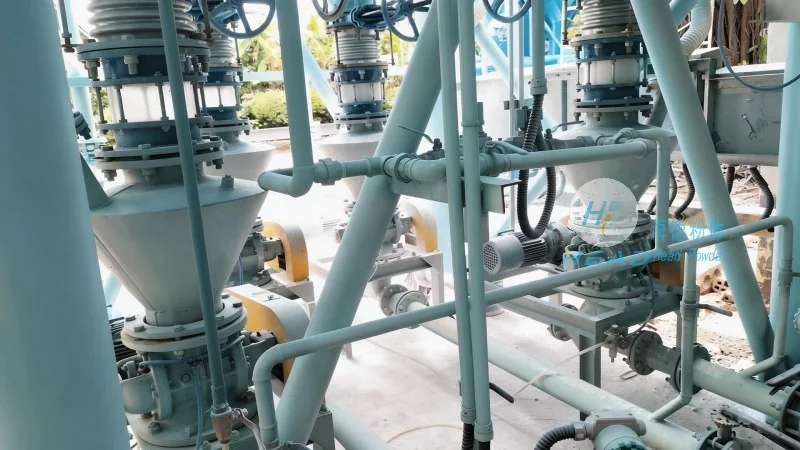
The core of a hydrated ammonium nitrate pneumatic conveying system is the use of air as the conveying medium. The system typically consists of a hopper for material storage, a feeder to control the flow rate, a blower or compressor to generate the air pressure, and a pipeline network that transports the material to the discharge point. The working principle involves several key steps:
First, the hydrated ammonium nitrate is fed from the hopper into the feeder. The feeder ensures a consistent and controlled flow of material into the pipeline. Next, the blower or compressor creates a pressure differential within the pipeline. This pressure difference draws the material into the air stream as it moves through the pipeline. The material is then carried along the pipeline by the moving air, which can be either positive pressure (where air pushes the material forward) or negative pressure (where air pulls the material from the hopper).
As the material travels through the pipeline, it may encounter various components such as bends, elbows, or expansion joints. These components are designed to minimize material degradation and ensure smooth flow. The system may also include filters or cyclones to separate any fine particles or moisture from the air, maintaining the quality of the conveyed material.
Key Features and Advantages of the System
Several features make a hydrated ammonium nitrate pneumatic conveying system an attractive option for industrial applications:
1. Non-Contact Material Handling: Unlike mechanical conveyors that come into direct contact with the material, pneumatic systems use air to transport the product. This reduces the risk of material contamination and eliminates issues related to wear and tear on the conveyor components.
2. Flexibility in Layout: The system can be easily adapted to different plant layouts, with pipelines installed along walls or overhead, allowing for efficient use of space. The flexibility also enables the system to handle multiple discharge points or feed sources.
3. Reduced Downtime and Maintenance: Pneumatic conveying systems generally have fewer moving parts compared to mechanical conveyors, leading to lower maintenance requirements and reduced downtime. The absence of mechanical components also minimizes the risk of material clogging or blockages.
4. Energy Efficiency: Modern pneumatic conveying systems are designed to be energy-efficient, with adjustable air pressure and flow rates that optimize energy consumption based on the material being conveyed.
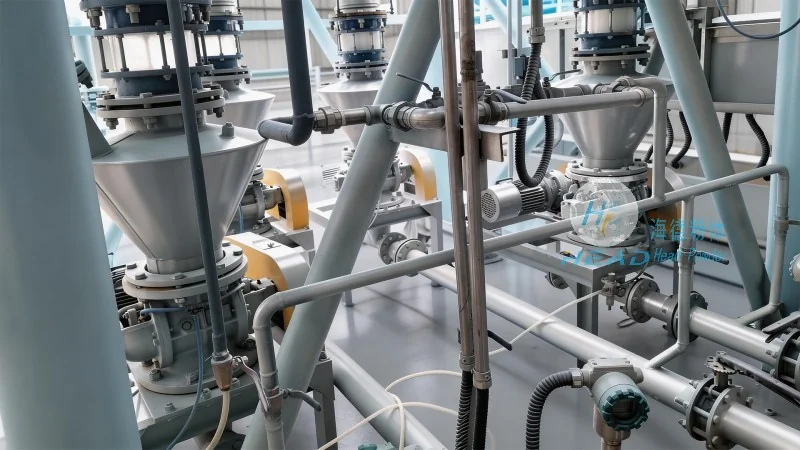
5. Safety and Environmental Control: The system can be equipped with dust collection and filtration systems to control airborne particles and meet environmental regulations. Additionally, the enclosed pipeline design reduces the risk of dust exposure and improves workplace safety.
Application Considerations
When implementing a hydrated ammonium nitrate pneumatic conveying system, several factors need to be considered to ensure optimal performance. These include the moisture content and particle size of the HAN, as these properties affect the air velocity required for effective conveying. The system design must also account for the potential for material segregation or agglomeration, which can impact flow characteristics.
Proper system sizing, including the selection of the blower capacity and pipeline diameter, is crucial for maintaining consistent material flow and preventing pressure drops that could lead to system inefficiencies. Regular maintenance, such as cleaning filters and checking air pressure, is essential to keep the system operating at peak performance.
Conclusion
A hydrated ammonium nitrate pneumatic conveying system offers a reliable and efficient method for handling this moisture-rich chemical. By leveraging air as the conveying medium, the system addresses the challenges associated with traditional mechanical conveyors, providing benefits such as non-contact handling, flexibility, and reduced maintenance. When properly designed and maintained, this system can enhance operational efficiency and safety in industrial applications.