With more than 10‑year industry experience, Shandong Headpowder delivers full‑service pneumatic‑conveying systems and blowers, undertaking nationwide turn‑key powder‑handling projects.
When considering the efficient and effective handling of potatoes, understanding the components of a pneumatic conveying system is crucial. These systems are designed to transport potatoes in a dust-free, hygienic manner, ensuring quality preservation and operational efficiency. The following sections outline the key components that make up a typical potato pneumatic conveying system, providing insight into how each part contributes to the overall functionality.
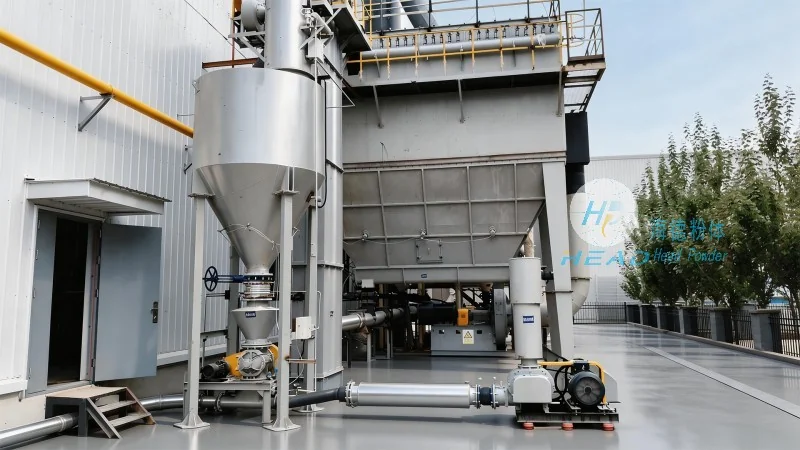
The core components of a potato pneumatic conveying system work in tandem to facilitate the movement of potatoes from one location to another. These components are engineered to handle the unique characteristics of potatoes, such as their size, moisture content, and susceptibility to damage. The primary components include the hopper, feeder, conveying line, and receiver, each playing a vital role in the process.
The hopper is the initial component where potatoes are stored before being conveyed. It is typically designed with a large capacity to accommodate bulk quantities of potatoes, ensuring a steady supply for the system. The hopper is constructed from durable materials, such as stainless steel, to withstand the abrasiveness of potatoes and maintain hygiene standards. A well-designed hopper also features a smooth interior surface to prevent material buildup and ensure consistent flow. The bottom of the hopper is equipped with a feeder, which regulates the flow of potatoes into the conveying line. This component is critical for controlling the rate of material discharge, preventing overloading or underloading of the system.
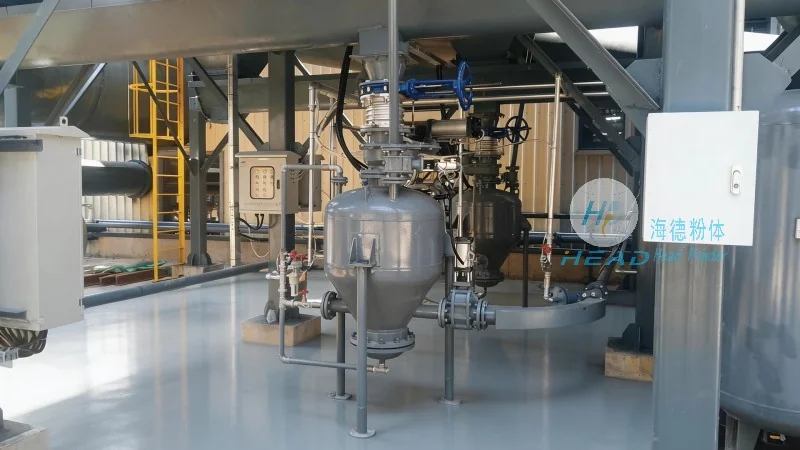
The feeder is a critical component that controls the flow of potatoes from the hopper into the conveying line. It ensures a consistent and controlled rate of material discharge, which is essential for maintaining system efficiency and preventing blockages. There are several types of feeders used in potato pneumatic conveying systems, including rotary valves, star feeders, and screw feeders. Each type has its advantages, with rotary valves being particularly effective for handling bulk materials like potatoes due to their ability to provide a uniform flow rate. The feeder is typically connected to the hopper via a transition section, which ensures a smooth transition of material from the storage area to the conveying line.
The conveying line is the central part of the pneumatic system responsible for transporting potatoes through the system. It consists of a pipe or tube that carries the potatoes and air mixture. The line is usually made of stainless steel or other corrosion-resistant materials to handle the abrasive nature of potatoes and prevent contamination. The design of the conveying line is critical, as it must withstand the pressure and flow of the air and material mixture. The line may include bends, elbows, and other fittings to direct the flow of potatoes to the receiver. These fittings are designed to minimize pressure loss and prevent material deposition, ensuring smooth and continuous operation.
The receiver is the final component of the pneumatic conveying system where potatoes are deposited after being transported through the line. It is typically a large container or hopper that collects the potatoes and holds them until they are further processed or packaged. The receiver is designed to be compatible with the conveying line and is equipped with a discharge mechanism that allows for easy removal of the potatoes. The receiver may also include a level indicator to monitor the amount of potatoes inside, ensuring that the system operates at optimal capacity. Proper design of the receiver is essential to prevent spillage and maintain hygiene standards.
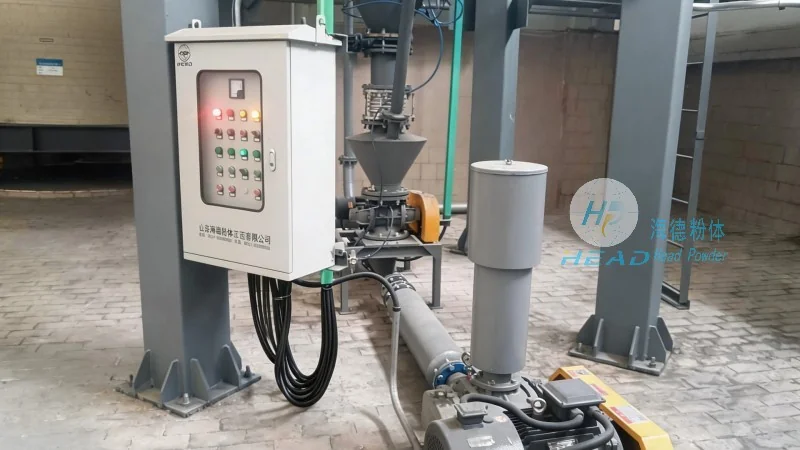
While the basic components of a potato pneumatic conveying system include the hopper, feeder, conveying line, and receiver, additional components can be added to enhance performance and address specific operational needs. These optional components may include air filters, cyclones, and dust collectors. Air filters are used to remove dust and debris from the air before it is recirculated or released, ensuring that the system operates in a clean environment. Cyclones are used to separate the potatoes from the air mixture, allowing the potatoes to be collected in the receiver while the air is returned to the system. Dust collectors are used to capture any remaining dust particles, preventing contamination of the potatoes and maintaining a clean working environment. These optional components are particularly important in food processing applications, where hygiene and quality are paramount.
In conclusion, the components of a potato pneumatic conveying system are essential for the efficient and effective handling of potatoes. Each component plays a vital role in ensuring that potatoes are transported in a hygienic and damage-free manner. The proper design and maintenance of these components are critical to the overall performance of the system. By understanding the key components and their functions, users can select and operate a potato pneumatic conveying system that meets their specific needs and ensures optimal results.

 Shandong Headpowder Engineering Co., Ltd.
 156-6277-7102(Manager Zhang)
  0531-83386006
  Zhangqiu District, Jinan City, Shandong Province, China
telephone
WeChatconsult
top