With more than 10‑year industry experience, Shandong Headpowder delivers full‑service pneumatic‑conveying systems and blowers, undertaking nationwide turn‑key powder‑handling projects.
When discussing the components of a kaolin pneumatic conveying system, it's essential to understand the core elements that enable efficient material transport. These systems are designed to handle kaolin, a widely used clay mineral, with precision and reliability. The components work in synergy to ensure smooth operation, from material intake to discharge.
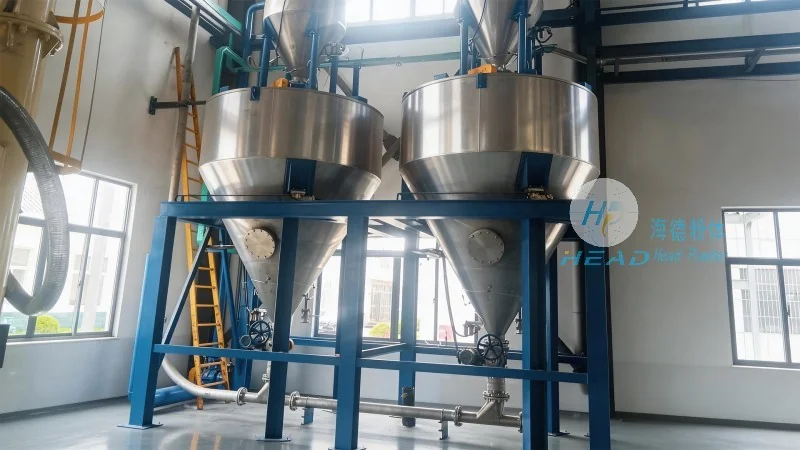
The primary components of a kaolin pneumatic conveying system typically include the material feed hopper, the conveying line (either duct or pipeline), the air mover (such as a blower or vacuum pump), and the discharge equipment. Each component plays a critical role in the overall functionality of the system. The feed hopper is responsible for storing and regulating the flow of kaolin, ensuring a consistent feed rate. The conveying line, often made of durable materials like stainless steel or plastic, transports the kaolin particles along with the air stream. The air mover provides the necessary pressure or vacuum to move the material through the system. Finally, the discharge equipment, such as a receiver or silo, collects the kaolin at the end of the conveying process.
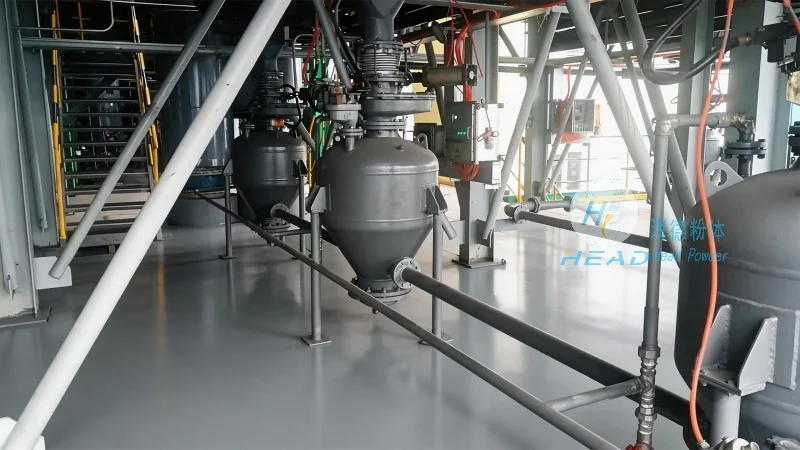
HeadPowder, the company behind these advanced systems, is a leading provider of engineering solutions for material handling. With a focus on innovation and quality, HeadPowder specializes in designing and manufacturing equipment tailored to the needs of the kaolin industry. The company's expertise in pneumatic conveying technology ensures that their systems are efficient, reliable, and tailored to the specific requirements of each client. Based in Shandong, China, HeadPowder leverages local resources and industry knowledge to deliver top-tier solutions for material transport challenges.
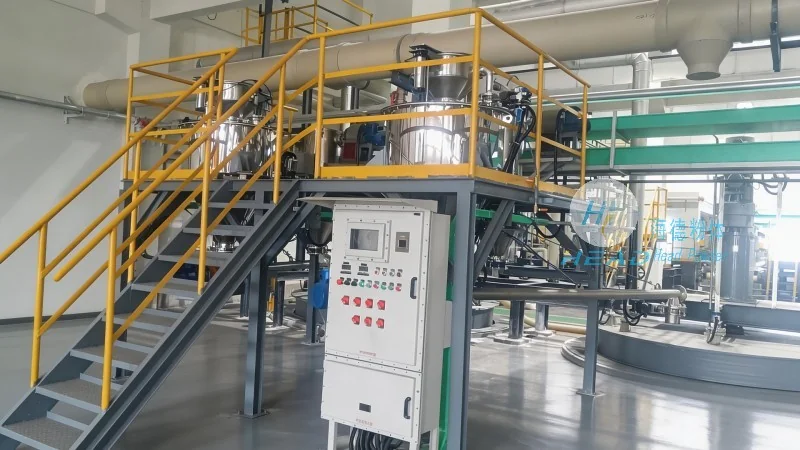
When evaluating a kaolin pneumatic conveying system, several technical aspects must be considered. The choice of air mover depends on the system's operating pressure and the material's characteristics. For example, high-pressure blowers are suitable for long-distance conveying, while vacuum systems are ideal for short-distance or vertical transport. The conveying line diameter and length also impact system performance, as larger diameters reduce pressure drop but increase cost. Additionally, the material's particle size and moisture content affect the system's efficiency, as finer particles may require more air or specialized equipment to prevent blockages. HeadPowder's engineers carefully assess these factors to design systems that meet the client's operational goals while minimizing energy consumption and maintenance costs.
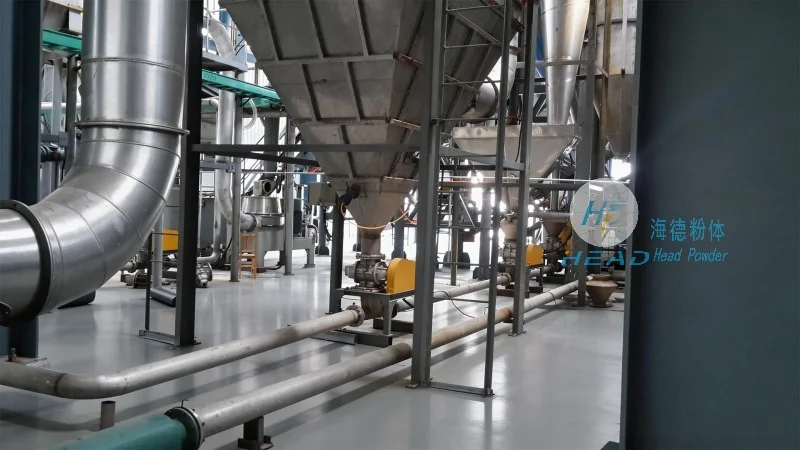
Implementing a kaolin pneumatic conveying system offers several advantages over traditional methods like belt conveyors or bucket elevators. The most significant benefit is the ability to transport kaolin in a dust-free environment, which enhances workplace safety and reduces product contamination. Additionally, pneumatic systems are more flexible, allowing for changes in material flow direction or distance without major structural modifications. They also require less space compared to other bulk material handling solutions, making them ideal for facilities with limited floor area. Furthermore, the continuous operation of pneumatic systems improves production efficiency, as they can operate 24/7 with minimal downtime. HeadPowder's systems are engineered to maximize these benefits, ensuring that clients achieve optimal performance and cost savings.

 Shandong Headpowder Engineering Co., Ltd.
 156-6277-7102(Manager Zhang)
  0531-83386006
  Zhangqiu District, Jinan City, Shandong Province, China
telephone
WeChatconsult
top