

What is Flaky Graphite Material Pneumatic Conveying? What Are the Design Principles?
Flaky graphite material pneumatic conveying is a specialized method used in industrial applications to transport flaky graphite particles through a pipeline using air or other gas as the conveying medium. This technology is particularly important for handling materials like flaky graphite, which have unique physical properties such as low density, high lubricity, and fine particle size. The process involves creating a flow of air that carries the graphite particles from the source to the destination, ensuring efficient and safe material transfer without the need for mechanical components like belts or buckets.
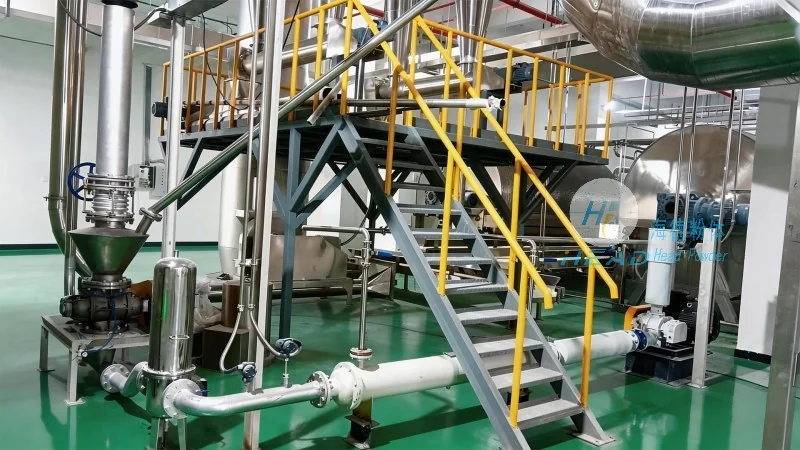
The Core Design Principles of Flaky Graphite Pneumatic Conveying Systems
The design of a flaky graphite material pneumatic conveying system is based on several key principles that ensure optimal performance and reliability. First, the system must maintain a consistent air velocity to keep the graphite particles suspended in the air stream. This is crucial because flaky graphite particles are prone to settling due to their low density and tendency to aggregate. Engineers typically calculate the required air velocity based on the particle size, density, and flow rate, using formulas derived from fluid dynamics and particle technology.
Second, the system incorporates appropriate equipment such as feeders, cyclones, and filters to control the flow and separation of the graphite particles. The feeder is responsible for introducing the graphite material into the pipeline at a controlled rate, preventing overloading or underloading that could disrupt the conveying process. Cyclones are used to separate the graphite particles from the air stream at the destination, ensuring that the material is collected efficiently while the air is recycled or discharged. Filters are also essential to maintain air quality and prevent dust accumulation in the system.
Key Considerations for Designing Flaky Graphite Pneumatic Conveying Systems
When designing a flaky graphite material pneumatic conveying system, several factors must be considered to ensure the system operates effectively and safely. One of the primary considerations is the particle size distribution of the graphite material. Flaky graphite particles can vary in size, and larger particles may require higher air velocities to remain suspended. Engineers must account for this variability to design a system that can handle a range of particle sizes without compromising performance.
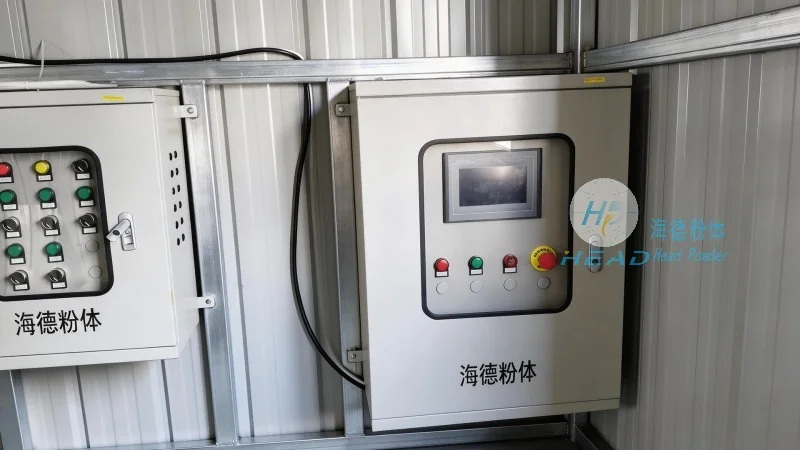
Another important factor is the material's lubricity and tendency to stick to surfaces. Flaky graphite is known for its lubricating properties, which can cause it to adhere to the interior of the pipeline or equipment components. This can lead to blockages or reduced conveying efficiency. To mitigate this issue, the system may include features such as air knives or vibration devices to prevent particle buildup and ensure smooth flow.
Additionally, the system's layout and pipeline configuration play a critical role in its performance. The pipeline must be designed to minimize pressure drops and ensure consistent air flow. This often involves using straight sections of pipe, avoiding sharp turns or bends that could cause turbulence or particle separation. The system may also include expansion joints or flexible connectors to accommodate thermal expansion and reduce stress on the pipeline.
Applications of Flaky Graphite Material Pneumatic Conveying
Flaky graphite material pneumatic conveying is widely used in various industries, including metallurgy, refractory materials, and battery manufacturing. In the metallurgy industry, flaky graphite is used as a lubricant and refractory material in steel production. The pneumatic conveying system allows for efficient transport of graphite from storage to processing equipment, ensuring a consistent supply of material. In the refractory industry, flaky graphite is used to produce high-quality refractory bricks and castables. The system helps in transporting the graphite powder to the mixing and molding processes, improving production efficiency.
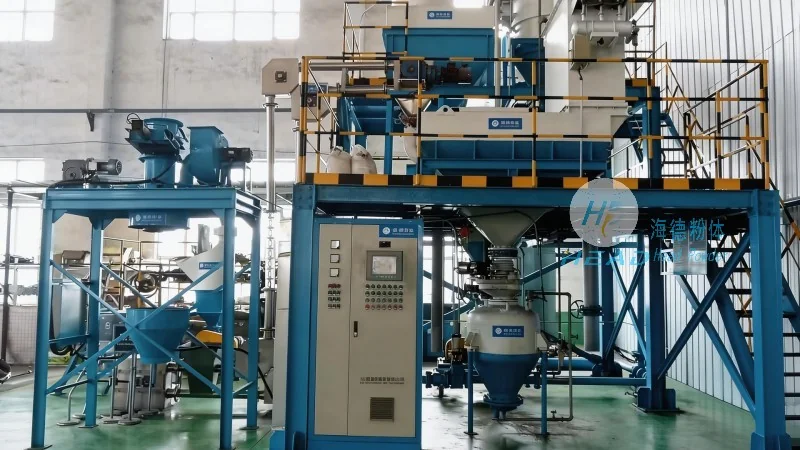
In the battery industry, flaky graphite is a key component in lithium-ion batteries, used as an anode material. The pneumatic conveying system is essential for transporting the graphite powder from the production line to the battery manufacturing facilities. This ensures that the material is handled in a clean and controlled environment, maintaining its quality and preventing contamination.
Advantages of Using Flaky Graphite Material Pneumatic Conveying
Compared to traditional mechanical conveying methods, flaky graphite material pneumatic conveying offers several advantages. One of the main benefits is the ability to handle materials that are difficult to transport mechanically, such as fine powders or materials with low density. The system also provides a cleaner and more hygienic environment, as it eliminates the need for contact between the material and mechanical components. This is particularly important for materials like flaky graphite, which are used in food and pharmaceutical applications.
Another advantage is the flexibility of the system. Pneumatic conveying systems can be easily modified or expanded to accommodate changes in production volume or material types. The system can also be integrated with other processes, such as drying or mixing, to create a more comprehensive material handling solution. This flexibility makes it an attractive option for industries that require adaptable and efficient material transport solutions.
Challenges and Solutions in Flaky Graphite Pneumatic Conveying
Despite its advantages, flaky graphite material pneumatic conveying also presents some challenges. One of the main challenges is the potential for particle agglomeration, which can lead to blockages in the pipeline. To address this, the system may include agitators or vibrators to break up the agglomerates and maintain a consistent flow. Another challenge is the high energy consumption associated with pneumatic conveying, especially for long-distance or high-volume applications. Engineers can mitigate this by optimizing the system design, such as using larger diameter pipes or reducing the air velocity to the minimum required for conveying.
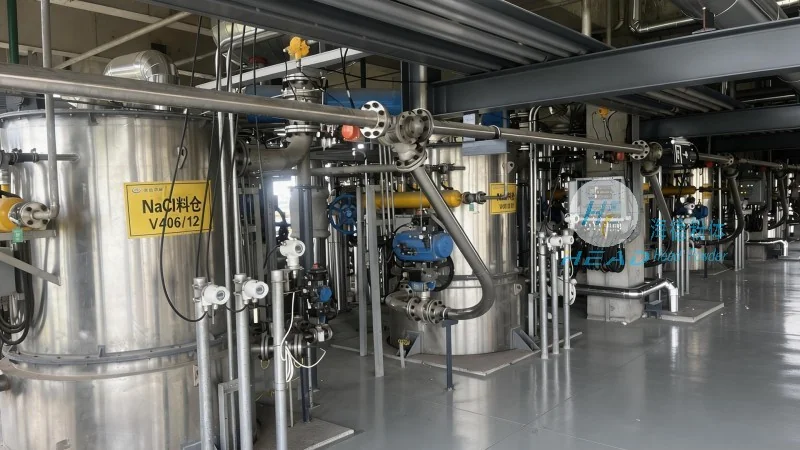
Additionally, the system requires regular maintenance to ensure optimal performance. This includes cleaning the cyclones and filters, checking the air pressure and flow rates, and inspecting the pipeline for wear or damage. Proper maintenance is essential to prevent system failures and ensure the longevity of the equipment.
Conclusion: The Importance of Proper Design and Implementation
Flaky graphite material pneumatic conveying is a critical technology for industries that rely on the efficient and safe transport of flaky graphite particles. The design principles and considerations outlined above are essential for creating a system that operates effectively and reliably. By understanding the unique properties of flaky graphite and applying the appropriate design strategies, engineers can develop systems that meet the specific needs of their applications.
Shandong HeadPowder Engineering Co., Ltd., a leading provider of material handling solutions, specializes in designing and manufacturing flaky graphite material pneumatic conveying systems. With years of experience in the industry, the company has developed advanced systems that address the challenges of flaky graphite handling and provide reliable performance. Based in Shandong, China, HeadPowder Engineering Co., Ltd. serves clients worldwide, offering customized solutions tailored to their specific requirements. The company's commitment to quality and innovation ensures that its systems meet the highest standards of performance and safety.