With more than 10‑year industry experience, Shandong Headpowder delivers full‑service pneumatic‑conveying systems and blowers, undertaking nationwide turn‑key powder‑handling projects.
HeadPowder, a leading engineering firm based in Shandong, China, specializes in the design and implementation of advanced pneumatic conveying systems for industrial applications. This article delves into the working principle and key features of clay ash pneumatic conveying systems, highlighting how these technologies enhance operational efficiency and environmental compliance in material handling processes.
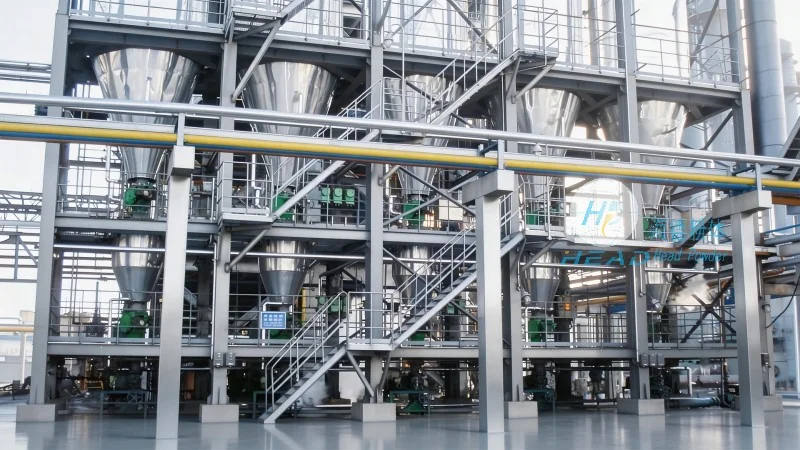
The clay ash pneumatic conveying system operates on the fundamental principle of transporting bulk materials through a pipeline using a stream of air or gas. In this system, the clay ash is introduced into a hopper or feeder, where it is then drawn into the conveying line by a high-pressure air stream generated by a blower or compressor. The air flow creates a negative pressure within the pipeline, which pulls the material particles along with it, ensuring a continuous and controlled flow. The system typically includes components such as a dust collector, filter, and control valves to manage the air pressure and material transport. The working principle is based on the balance between the air velocity and the particle size, ensuring that the material is conveyed without clogging or degradation. This method eliminates the need for mechanical components like belts or buckets, reducing maintenance requirements and increasing system reliability. The efficiency of the system is directly related to the air velocity and the design of the pipeline, which must be optimized to handle the specific characteristics of clay ash, such as its density, moisture content, and particle size distribution.
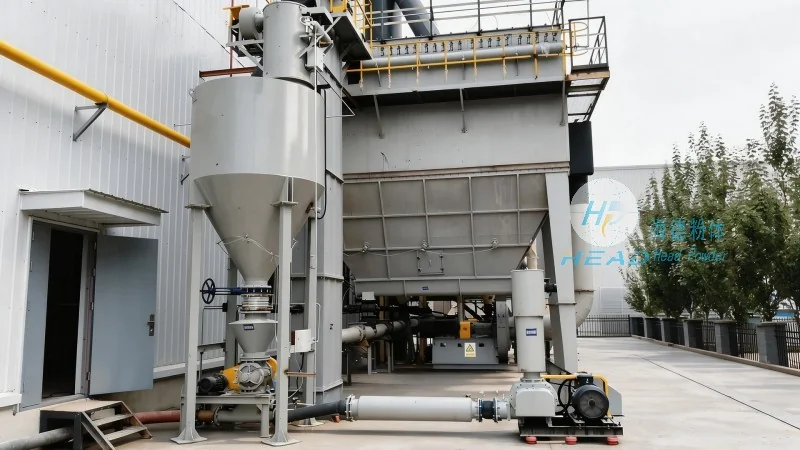
Clay ash pneumatic conveying systems offer several distinct advantages that make them ideal for industrial applications. One of the primary features is their high efficiency in material transport, as they can move large volumes of clay ash over long distances with minimal energy consumption compared to traditional methods like trucks or conveyor belts. The systems are also highly flexible, allowing for multiple inlet and outlet points, which enables the integration of the conveying line into existing production facilities without major modifications. Another critical feature is their environmental benefits, as the enclosed pipeline design prevents dust emissions and ensures compliance with air quality regulations. The systems are equipped with advanced filtration and dust collection mechanisms, which capture and recycle the air, reducing waste and operational costs. Additionally, the pneumatic conveying systems are designed for durability and low maintenance, with components like the blower and pipeline made from corrosion-resistant materials to withstand the abrasive nature of clay ash. The control systems are automated, allowing for real-time monitoring and adjustment of the conveying parameters, ensuring optimal performance and preventing system downtime. The features also include scalability, as the system can be expanded or modified to accommodate changes in production volume or material requirements, making it a versatile solution for various industrial needs.
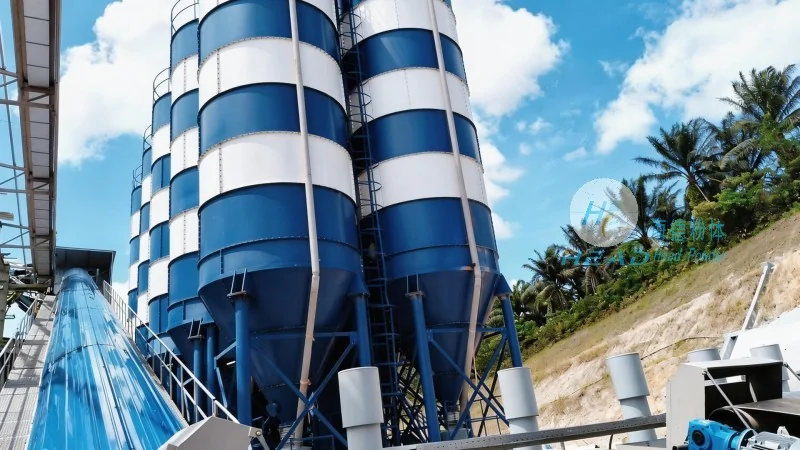
When designing a clay ash pneumatic conveying system, several technical specifications and design considerations must be taken into account to ensure optimal performance and reliability. The first consideration is the material characteristics of the clay ash, including its density, moisture content, and particle size distribution. These factors determine the required air velocity and pressure to achieve efficient transport. The system design must also account for the distance and elevation changes between the source and destination points, as these affect the energy requirements and pipeline layout. The selection of the blower or compressor is critical, as it must provide sufficient air volume and pressure to overcome the resistance in the pipeline and the weight of the material. The pipeline diameter and length are also important, as they impact the air flow and material transport efficiency. The system includes components such as a hopper, feeder, and control valves, which are designed to handle the specific characteristics of clay ash, ensuring smooth material flow and preventing blockages. The dust collection and filtration systems are essential for maintaining air quality and preventing dust accumulation in the system. The control system integrates sensors and monitoring devices to track the system performance, allowing for real-time adjustments and troubleshooting. The design process involves detailed calculations and simulations to optimize the system parameters, ensuring that the clay ash is conveyed safely and efficiently. The technical specifications and design considerations are tailored to the specific application, ensuring that the system meets the operational requirements and provides long-term performance.

 Shandong Headpowder Engineering Co., Ltd.
 156-6277-7102(Manager Zhang)
  0531-83386006
  Zhangqiu District, Jinan City, Shandong Province, China
telephone
WeChatconsult
top