

Working Principle and Features of PVB (Polyvinyl Butyral) Pneumatic Conveying Systems
HeadPowder, a leading engineering company based in Shandong, China, specializes in the design, manufacturing, and installation of advanced material handling systems. With a focus on innovative solutions for industrial applications, the company has established itself as a trusted partner in the field of pneumatic conveying technology.
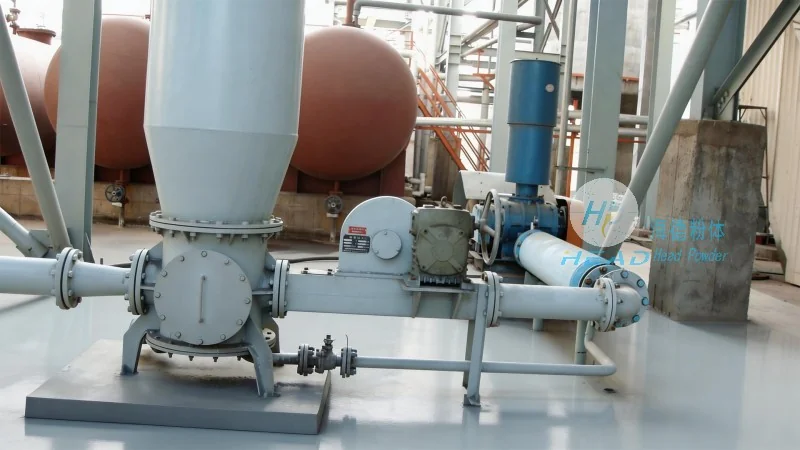
Working Principle of PVB Pneumatic Conveying Systems
PVB pneumatic conveying systems operate by utilizing compressed air or other gases to transport bulk materials from one location to another. The process typically involves a hopper or feeder that introduces the material into a pipeline. As the material enters the system, it is accelerated by the moving air stream, which carries the particles through the conveying line. The system may include components such as a rotary valve, a filter, and a receiver to ensure efficient and controlled material transfer. The design of PVB systems allows for the safe and effective handling of various materials, including powders and granules, by leveraging the principles of fluidization and air movement. The air pressure and flow rate are carefully controlled to optimize the conveying efficiency, ensuring that the material is transported smoothly without clogging or loss. The system's ability to handle different particle sizes and densities makes it versatile for various industrial applications, from pharmaceuticals to food processing and chemical manufacturing.
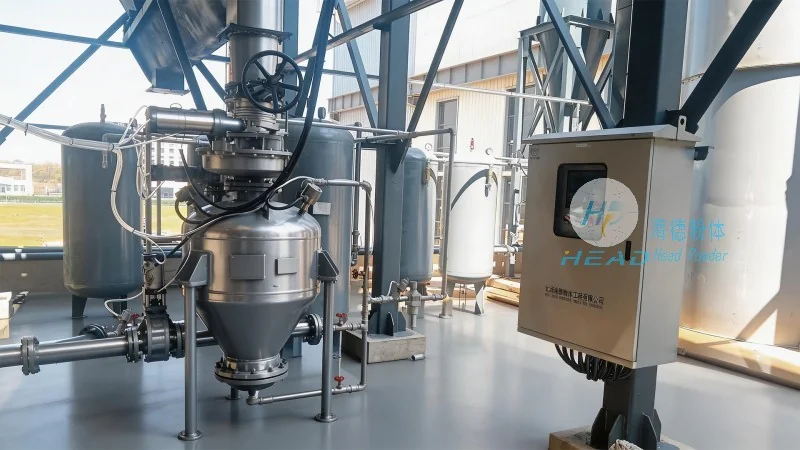
Key Features of PVB Pneumatic Conveying Systems
HeadPowder's PVB pneumatic conveying systems are characterized by several notable features that enhance performance and reliability. One of the primary advantages is the ability to handle a wide range of materials, from fine powders to larger granules, without the need for additional equipment like conveyors or elevators. The systems are also designed for minimal product degradation, as the air flow is carefully controlled to prevent attrition or agglomeration. Additionally, PVB systems offer high efficiency in terms of material transport, with lower energy consumption compared to traditional methods. The modular design allows for easy integration into existing production lines, and the systems are equipped with advanced control mechanisms to ensure precise flow regulation. Another key feature is the ability to handle materials in a closed system, which helps maintain product quality and prevents contamination. The durability of PVB materials used in the construction of the conveying components ensures long-term performance and reduces maintenance requirements. The systems are also equipped with safety features, such as pressure relief valves and emergency shut-off mechanisms, to protect both the equipment and the personnel operating the system. The compact design of PVB systems makes them suitable for installations with limited space, and the low noise operation contributes to a safer working environment. Furthermore, the systems are designed to be easy to clean and maintain, which is crucial for industries that require strict hygiene standards, such as the food and pharmaceutical sectors.
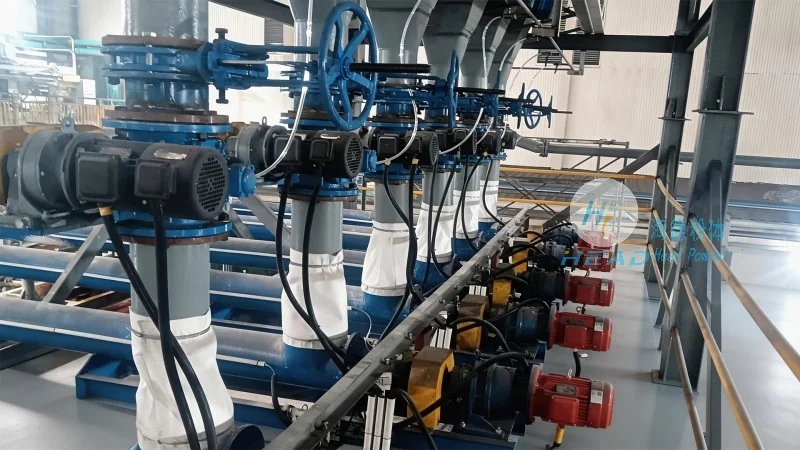
Application-Specific Benefits
For industries dealing with sensitive materials, the PVB pneumatic conveying systems from HeadPowder provide several application-specific benefits. In the pharmaceutical industry, the closed system design ensures that the materials are protected from contamination, which is essential for maintaining product integrity and meeting regulatory requirements. The low particle attrition rate helps preserve the quality of active ingredients, reducing the need for reprocessing. In the food industry, the systems are designed to meet sanitary standards, with smooth surfaces and easy-to-clean components that prevent the buildup of bacteria or other contaminants. The ability to handle various food powders, such as sugar, flour, and spices, without causing clumping or degradation makes these systems ideal for food processing applications. In the chemical industry, the systems are capable of handling corrosive or abrasive materials, with PVB components that resist chemical attack and wear. The high-temperature resistance of PVB materials allows the systems to operate in environments where other materials would degrade, ensuring reliable performance under challenging conditions.