With more than 10‑year industry experience, Shandong Headpowder delivers full‑service pneumatic‑conveying systems and blowers, undertaking nationwide turn‑key powder‑handling projects.
For industries processing cassava, efficient material handling is crucial to maintaining production flow and reducing operational costs. Pneumatic conveying systems offer a reliable solution for transporting cassava from storage to processing units. This article explores the working principles and distinctive features of cassava pneumatic conveying systems, highlighting how they enhance operational efficiency and adaptability in cassava processing facilities.
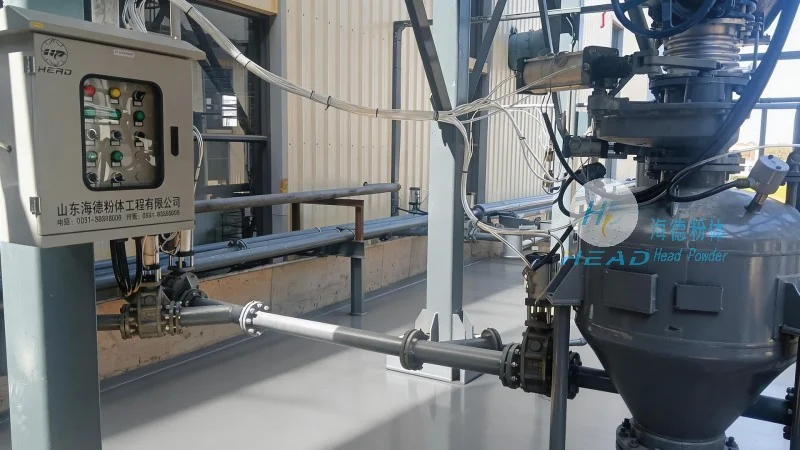
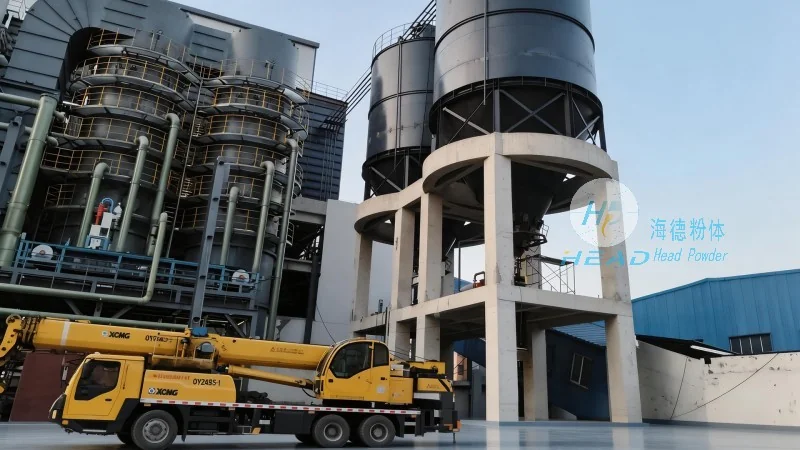
The core mechanism of cassava pneumatic conveying systems involves the use of air to move solid materials, in this case, cassava, through a pipeline. There are two primary types of pneumatic conveying systems: positive pressure and negative pressure. Positive pressure systems use a blower to generate air pressure that pushes the material through the pipeline, while negative pressure systems employ a vacuum to draw the material into the pipeline. For cassava, which is often in bulk form and requires gentle handling to prevent damage, positive pressure systems are commonly preferred as they provide more controlled and consistent flow. The system typically consists of a hopper for material storage, a feeder to control the flow rate, a conveyor pipe, and a receiver for the discharged material. Air is introduced into the pipe, creating a flow that carries the cassava particles along. The velocity of the air must be sufficient to overcome the gravitational force and friction within the pipe, ensuring the material is transported without clogging or degradation.
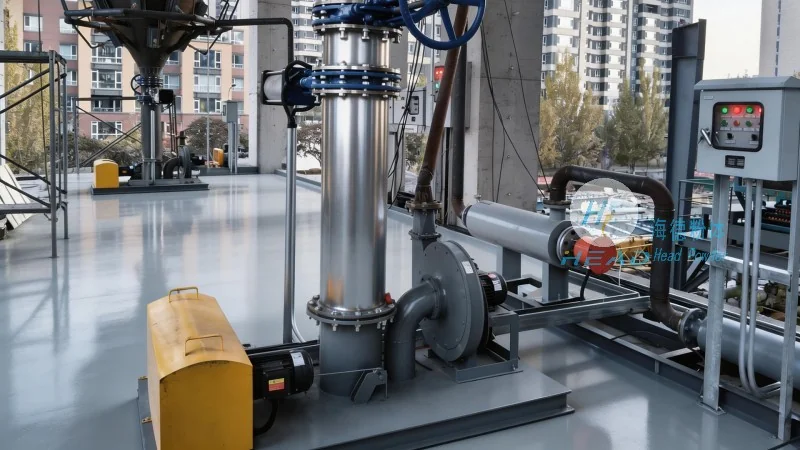
Several key features make cassava pneumatic conveying systems ideal for processing applications. Firstly, they offer high efficiency in material transport, allowing for continuous operation with minimal downtime. The ability to handle large volumes of cassava in a compact system reduces the need for extensive storage and handling equipment. Secondly, these systems provide gentle handling of cassava, which is sensitive to mechanical stress. The air flow minimizes impact and abrasion, preserving the quality of the cassava during transport. Thirdly, pneumatic conveying systems are highly adaptable to different processing environments. They can be integrated with existing infrastructure and customized to accommodate varying cassava sizes and moisture content. Additionally, the systems are relatively low maintenance, with fewer moving parts compared to mechanical conveyors, which reduces operational costs and increases reliability. Another notable feature is the ability to transport cassava over long distances without the need for multiple transfer points, enhancing the overall flow of production. The systems also contribute to a cleaner working environment by containing dust and particles within the pipeline, reducing the risk of contamination and improving workplace safety.
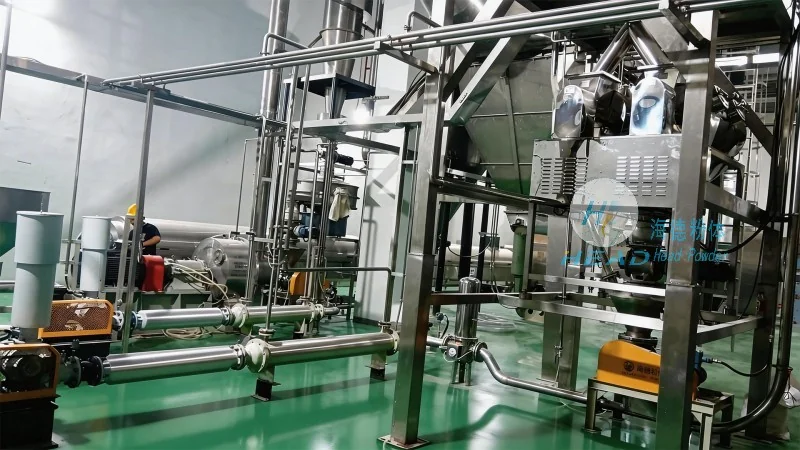
In cassava processing facilities, pneumatic conveying systems are widely used for transporting raw cassava from storage silos to milling or washing units. The systems ensure a consistent supply of material to processing equipment, which is critical for maintaining production rates. The efficiency of these systems directly impacts the overall productivity of the facility, as they minimize bottlenecks and reduce the time required for material transfer. Furthermore, the gentle handling of cassava helps maintain the integrity of the raw material, which is essential for producing high-quality cassava products such as starch, flour, or ethanol. The adaptability of the systems allows them to be adjusted to different processing stages, such as moving cassava from storage to a drying facility or from a washing station to a grinding unit. This flexibility makes pneumatic conveying a versatile solution for various cassava processing operations. The low maintenance requirements also contribute to cost savings, as less downtime is needed for repairs and servicing. Overall, cassava pneumatic conveying systems provide a reliable and efficient method for material handling, supporting the smooth operation of cassava processing plants.

 Shandong Headpowder Engineering Co., Ltd.
 156-6277-7102(Manager Zhang)
  0531-83386006
  Zhangqiu District, Jinan City, Shandong Province, China
telephone
WeChatconsult
top