

Working Principle and Features of Bulk Bin Pneumatic Conveying Equipment
HeadPowder, a leading manufacturer based in Shandong, China, specializes in the design, production, and supply of advanced bulk bin pneumatic conveying equipment. This article delves into the working principle and key features of such systems, providing a comprehensive understanding for potential users and industry professionals.
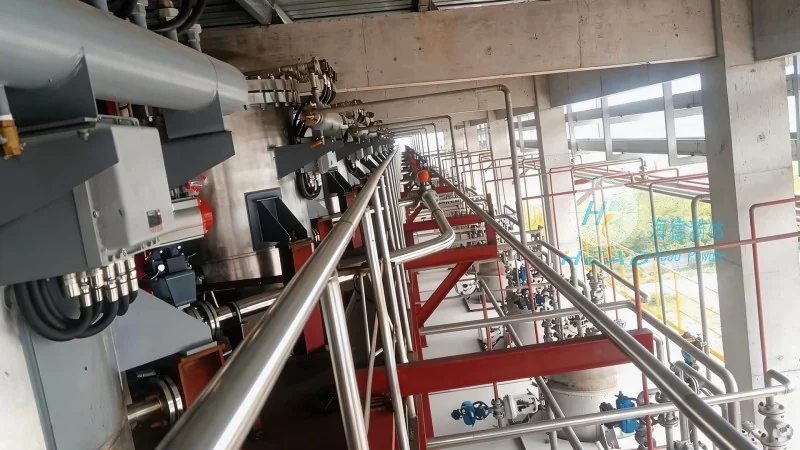
Overview of Bulk Bin Pneumatic Conveying Equipment
Bulk bin pneumatic conveying systems are essential in material handling and processing industries, enabling the efficient transport of bulk materials from storage bins to processing units or other destinations. These systems are widely used in sectors like chemicals, food processing, pharmaceuticals, and mining, where reliable and hygienic material transfer is critical.
The Working Principle of Bulk Bin Pneumatic Conveying Systems
The core of bulk bin pneumatic conveying equipment lies in its ability to use air or gas as the medium to move solid materials. The process typically involves a few key components: a bulk bin for material storage, a conveying line, a blower or compressor to generate airflow, and a control system to regulate the operation. When the system is activated, the blower creates a pressure differential, drawing material from the bin into the conveying line. The material is then carried through the pipe by the moving air stream, reaching the destination point where it is discharged.
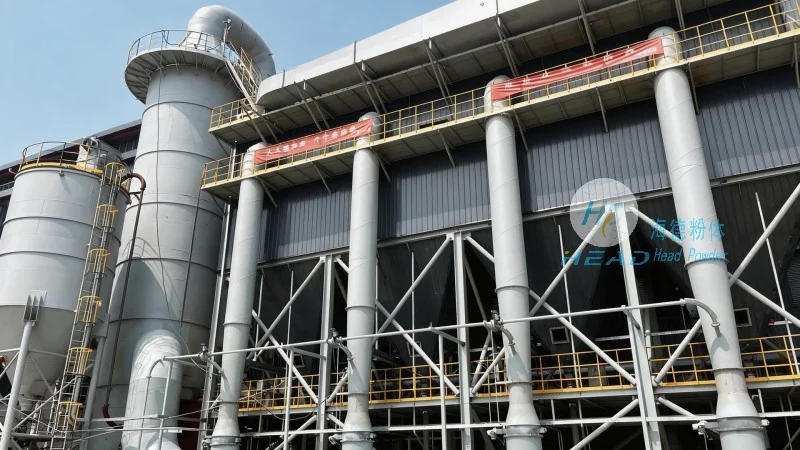
There are two primary types of pneumatic conveying systems based on the pressure used: positive pressure and negative pressure. Positive pressure systems operate by blowing air into the conveying line, pushing the material forward. Negative pressure systems, also known as vacuum systems, create a vacuum that pulls material from the bin into the line. The choice between these systems depends on factors such as material properties, distance, and the need for dust control.
Key Features of Bulk Bin Pneumatic Conveying Equipment
HeadPowder's bulk bin pneumatic conveying equipment is designed with several notable features that enhance performance and reliability. Firstly, the systems are highly efficient in material transfer, capable of moving large volumes of bulk materials with minimal energy consumption compared to traditional mechanical conveyors. This efficiency is achieved through optimized air flow management and efficient component design.
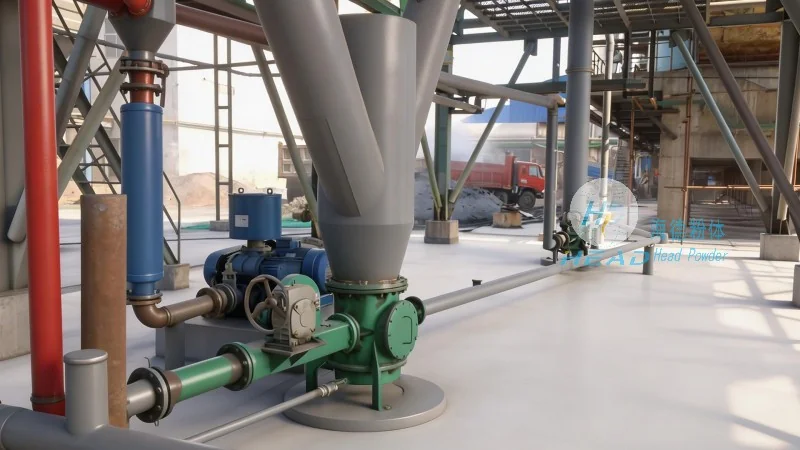
Secondly, these systems offer excellent flexibility in terms of layout and application. They can be configured to handle various material types, including powders, granules, and even bulk solids with different flow characteristics. The modular design allows for easy integration into existing production lines or new setups, adapting to different operational needs.
Thirdly, the equipment is built for durability and low maintenance. High-quality materials are used in the construction of components such as the bulk bin, conveying pipes, and blower, ensuring long service life. The design also minimizes the risk of material blockages and system downtime, with features like self-cleaning mechanisms and robust sealing systems.
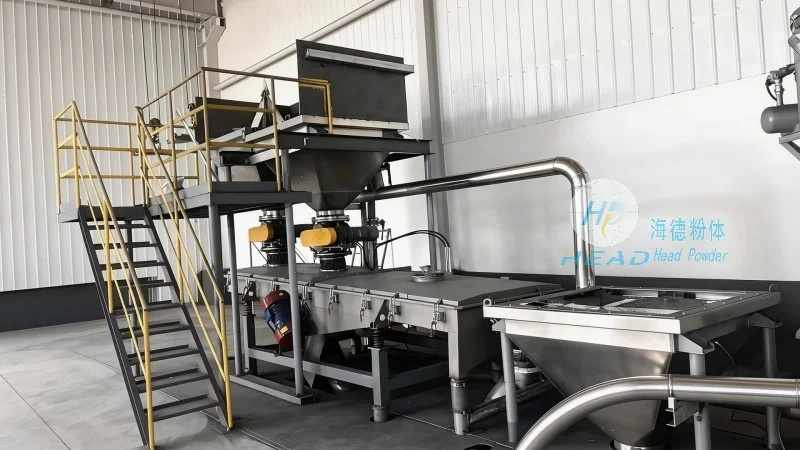
Another significant feature is the ability to maintain material integrity and hygiene, which is crucial in industries like food and pharmaceuticals. The enclosed system prevents contamination from external sources and ensures that the material remains clean and free from dust or moisture. This is achieved through sealed connections and proper air filtration.
Conclusion
Bulk bin pneumatic conveying equipment from Shandong HeadPowder Engineering Co., Ltd. combines advanced technology with robust engineering to provide reliable and efficient material handling solutions. By understanding the working principle and key features, users can make informed decisions about implementing such systems in their operations, ensuring optimal performance and cost-effectiveness.