With more than 10‑year industry experience, Shandong Headpowder delivers full‑service pneumatic‑conveying systems and blowers, undertaking nationwide turn‑key powder‑handling projects.
Hexanedioic acid, commonly known as adipic acid, is a crucial raw material widely used in the production of nylon and other polymers. The efficient and reliable transportation of this material from storage to processing units is essential for maintaining production efficiency and product quality. Pneumatic conveying equipment offers a solution to this challenge by utilizing air flow to transport solid materials like hexanedioic acid in a closed system. This article provides an in-depth look at the operation process and working principle of such equipment, highlighting the key components, operational steps, and the role of Shandong HeadPowder Engineering Co., Ltd. in providing these systems.
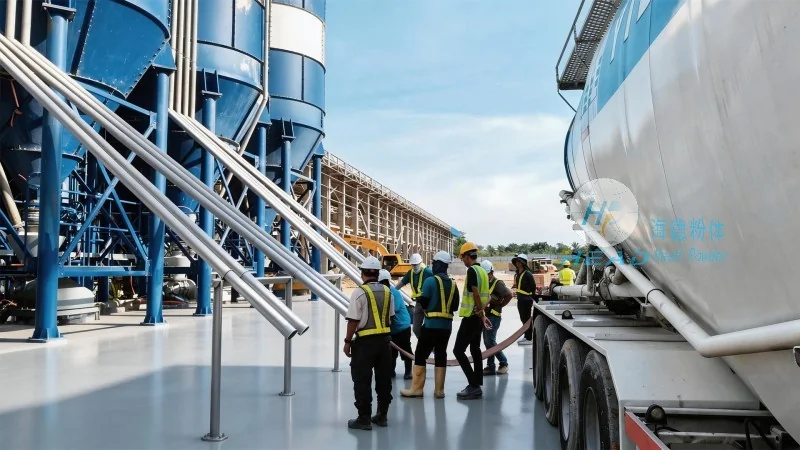
The pneumatic conveying system for hexanedioic acid material typically consists of several critical components that work in tandem to ensure smooth material transport. The main components include a hopper or storage silo for material storage, a feeder to control the flow rate of the material, a conveying line (usually made of stainless steel to prevent corrosion from the acidic material), a venturi or airlock for creating the air flow, and a receiver or discharge hopper where the material is deposited. Each component plays a vital role in the overall operation, and their proper integration is crucial for the system's performance.
The working principle of the pneumatic conveying system for hexanedioic acid involves the use of compressed air to create a flow that lifts and transports the material particles. The process can be categorized into two main types: dilute phase and dense phase conveying. In dilute phase conveying, the material is suspended in the air stream and transported at relatively high velocities, typically in a vertical or inclined line. Dense phase conveying, on the other hand, involves a lower air velocity and higher material concentration, which is often used for longer distances or when the material is prone to degradation from high velocity air flow.
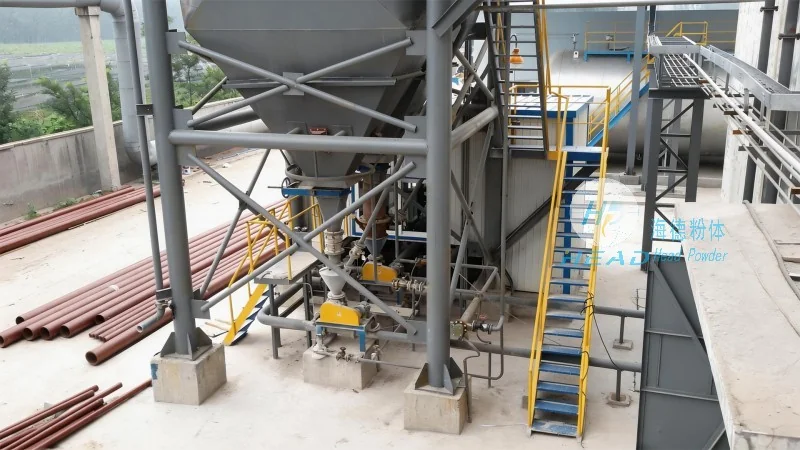
The operation process of the equipment begins with the material being fed from the storage hopper into the feeder. The feeder regulates the flow rate to ensure a consistent supply of hexanedioic acid to the conveying line. Simultaneously, compressed air is introduced into the system, creating a pressure differential that draws the material into the air stream. The material particles are then carried through the conveying line to the discharge point, where they are collected in the receiver hopper. The system is designed to maintain a stable air flow and material feed rate to prevent blockages or material degradation.
Shandong HeadPowder Engineering Co., Ltd., a leading manufacturer based in China, specializes in designing and manufacturing customized pneumatic conveying systems for various industrial applications, including the handling of hexanedioic acid. The company leverages advanced engineering techniques and materials science to develop systems that meet the specific requirements of clients in the chemical and polymer industries. With a focus on durability, efficiency, and safety, HeadPowder's equipment is engineered to handle the corrosive nature of hexanedioic acid while ensuring minimal material loss and maximum operational reliability. The company's expertise in material handling and process engineering enables it to provide comprehensive solutions that enhance production throughput and reduce downtime.
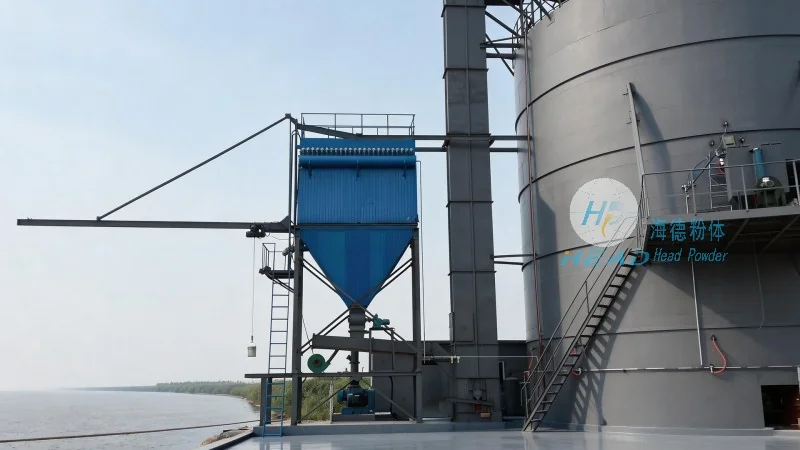
Implementing pneumatic conveying equipment for hexanedioic acid offers several advantages over traditional methods such as belt conveyors or bucket elevators. One of the primary benefits is the ability to transport the material in a closed system, which prevents contamination from dust and moisture, thereby maintaining product purity. Additionally, pneumatic conveying systems can handle materials with high moisture content or those that are prone to caking, as the air flow helps to keep the material in a free-flowing state. The system also reduces the risk of material degradation due to exposure to air or mechanical stress, which is critical for maintaining the quality of hexanedioic acid used in sensitive applications like nylon production. Furthermore, the enclosed design of the system minimizes environmental impact by containing dust emissions and reducing the need for additional dust control measures.
To ensure the long-term performance and reliability of the pneumatic conveying system, regular maintenance is essential. This includes checking the air compressor for proper pressure and flow, inspecting the conveying line for any signs of wear or corrosion, and cleaning the hopper and receiver to prevent material buildup. The feeder mechanism should also be checked for proper operation to maintain consistent material feed rates. Operational considerations also include monitoring the system for any signs of blockages or air leaks, as these can significantly impact the system's efficiency. Proper training of operators on the system's operation and maintenance procedures is crucial to prevent accidents and ensure optimal performance.

 Shandong Headpowder Engineering Co., Ltd.
 156-6277-7102(Manager Zhang)
  0531-83386006
  Zhangqiu District, Jinan City, Shandong Province, China
telephone
WeChatconsult
top