

Operation Process and Working Principle of Phosphorus Pentachloride Material Pneumatic Conveying Equ
Phosphorus pentachloride (PCl₅) is a highly reactive and corrosive chemical widely used in the chemical industry, particularly in the production of pesticides, pharmaceuticals, and other organic compounds. The safe and efficient handling of PCl₅ is crucial due to its hazardous nature. Pneumatic conveying equipment offers a reliable solution for transporting PCl₅ from storage to processing units, ensuring minimal exposure to personnel and maintaining product integrity. This article provides an in-depth look at the operation process and working principle of a specialized PCl₅ pneumatic conveying system, highlighting the technology's efficiency and the expertise of Shandong HeadPowder Engineering Co., Ltd. in designing and implementing such systems.
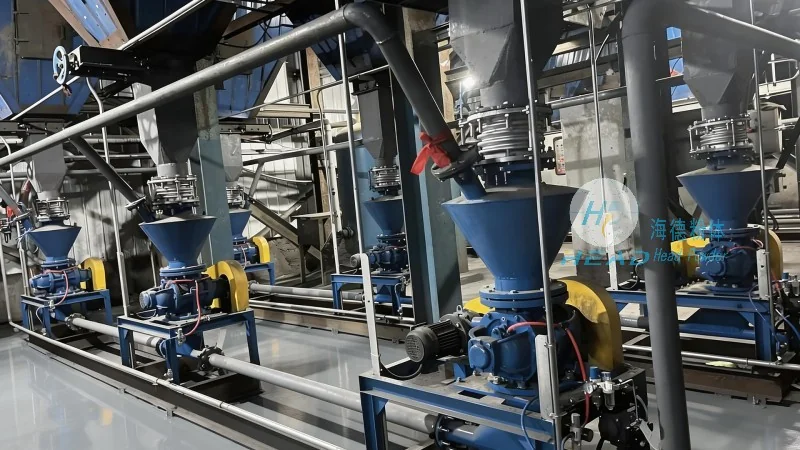
Introduction to Phosphorus Pentachloride Pneumatic Conveying Equipment
Pneumatic conveying systems are essential for handling bulk materials like PCl₅, which require controlled and safe transportation. The equipment developed by Shandong HeadPowder Engineering Co., Ltd. is engineered to meet the stringent safety and performance standards associated with PCl₅. By integrating advanced engineering principles and materials, the system ensures that the handling of this hazardous chemical is both efficient and compliant with industrial regulations. The following sections detail the working mechanism and operational workflow of the equipment.
Working Principle of the Pneumatic Conveying System
The core of the PCl₅ pneumatic conveying system is the use of compressed air to transport the material. The process begins with the material being fed into a hopper or feeder, where it is then introduced into a pipeline. A high-pressure air stream, generated by a powerful blower or fan, is introduced into the pipeline, creating a flow that carries the PCl₅ particles. The air and material mixture travels through the pipeline to the destination point, such as a reactor or storage tank. The system utilizes a combination of positive and negative pressure zones to control the flow and ensure consistent delivery. The air velocity is carefully managed to prevent material degradation or blockages, which is critical for handling PCl₅ due to its reactivity.
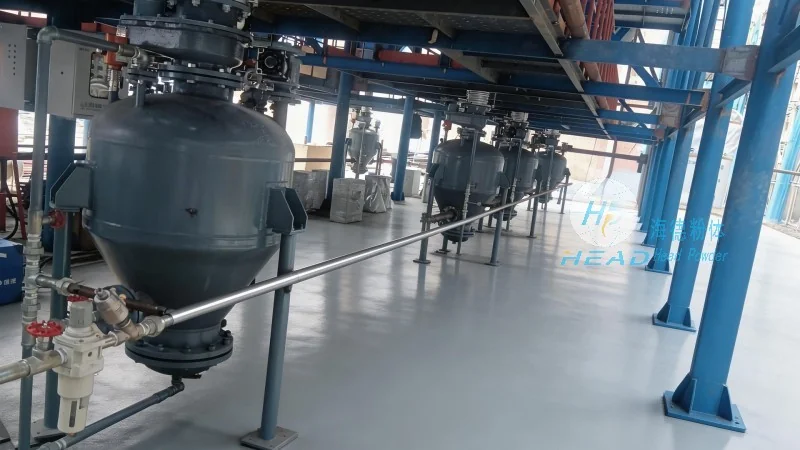
Operation Process of the Equipment
The operation of the PCl₅ pneumatic conveying equipment follows a systematic sequence to ensure smooth and safe material transfer. The process starts with the preparation of the system, including checking the air pressure, verifying the integrity of the pipelines, and ensuring that all safety interlocks are active. Once the system is ready, the material is fed into the hopper at a controlled rate. The feeder then meters the PCl₅ into the pipeline, where it is mixed with the compressed air. The air stream propels the material through the pipeline, maintaining a consistent flow rate. At the receiving end, a separator or cyclone separates the PCl₅ from the air, allowing the material to be discharged into the target container. The air is then filtered and recycled back into the system, minimizing waste and energy consumption. The entire process is monitored by a control panel that adjusts parameters such as air pressure and feed rate based on real-time conditions, ensuring optimal performance.
Key Components and Their Functions
The PCl₅ pneumatic conveying system consists of several critical components, each playing a vital role in the overall operation. The primary components include: 1. **Feeder/Hopper**: This component stores and meters the PCl₅, ensuring a consistent feed rate to the pipeline. The hopper is typically made of corrosion-resistant materials like stainless steel to withstand the chemical's aggressive nature. 2. **Air Compressor/Fan**: The compressor generates the high-pressure air required to move the material. It is designed to handle the specific air volume and pressure needed for PCl₅ transport, with features such as variable speed control to adjust the flow. 3. **Pipelines and Fittings**: The system uses stainless steel or other corrosion-resistant pipes to transport the material and air. The fittings, including elbows, tees, and valves, are designed to maintain the air flow and prevent leaks. 4. **Separator/Cyclone**: This component separates the PCl₅ particles from the air stream at the receiving end. The cyclone uses centrifugal force to separate the heavier material from the lighter air, ensuring that the PCl₅ is collected efficiently. 5. **Control System**: The control panel monitors and adjusts the system parameters, including air pressure, feed rate, and temperature. It includes safety features such as overpressure and overcurrent protection to prevent accidents. 6. **Filters and Exhaust System**: The air is filtered to remove any PCl₅ particles before being recycled, and the exhaust system ensures that any residual air is safely discharged. Each component is carefully selected and integrated to ensure the system operates reliably and safely.
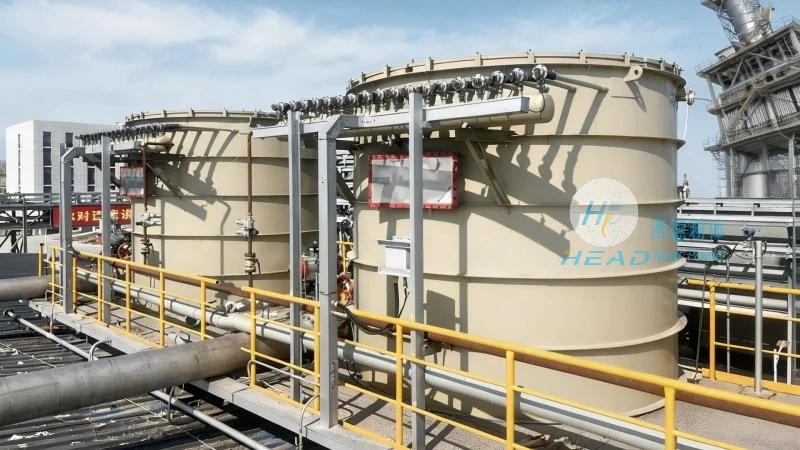
Advantages of Using Pneumatic Conveying for Phosphorus Pentachloride
Compared to traditional methods like belt conveyors or manual handling, pneumatic conveying offers several advantages for transporting PCl₅. First, it provides a closed system, which minimizes exposure to the hazardous chemical and reduces the risk of environmental contamination. Second, the system is highly efficient, with minimal material loss and consistent flow rates. Third, it is flexible, allowing for changes in the layout or destination of the material without major modifications. Fourth, the system is automated, reducing the need for manual labor and improving safety. Finally, the energy consumption is optimized, with the air being recycled and reused, leading to cost savings over time. These advantages make pneumatic conveying the preferred method for handling PCl₅ in modern chemical plants.
Company Profile: Shandong HeadPowder Engineering Co., Ltd.
Shandong HeadPowder Engineering Co., Ltd., commonly known as HeadPowder, is a leading manufacturer and supplier of pneumatic conveying equipment in China. With its headquarters in Shandong, the company has extensive experience in designing and implementing systems for handling hazardous and corrosive materials like PCl₅. HeadPowder's team of engineers and technicians specializes in customizing equipment to meet the specific needs of clients, ensuring that the systems are tailored to the chemical properties and operational requirements of the material. The company adheres to international standards and regulations, providing reliable and safe solutions for the chemical industry. By leveraging advanced technology and a commitment to quality, HeadPowder has established itself as a trusted partner for businesses requiring efficient and safe material handling solutions.