With more than 10‑year industry experience, Shandong Headpowder delivers full‑service pneumatic‑conveying systems and blowers, undertaking nationwide turn‑key powder‑handling projects.
HeadPowder, a leading engineering firm based in Shandong, China, specializes in the design, manufacturing, and installation of advanced pneumatic conveying systems tailored for the foundry industry. Our equipment is engineered to efficiently handle foundry sand materials, ensuring optimal performance and reliability in material transport applications.
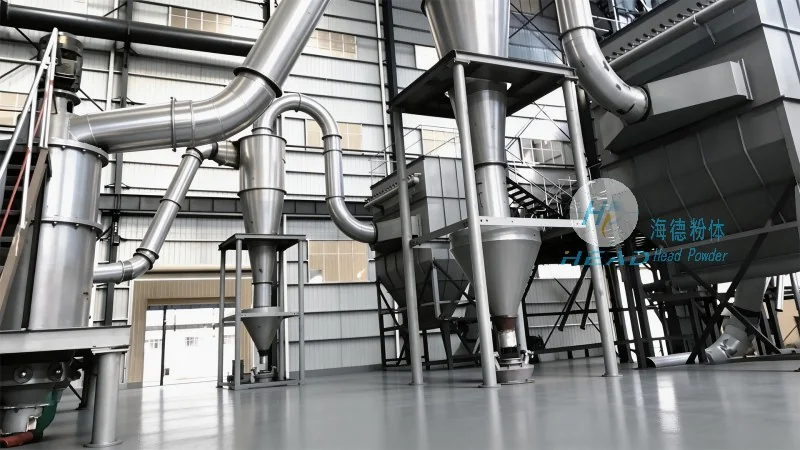
Pneumatic conveying equipment is a critical component in modern foundry operations, enabling the safe and efficient transport of sand, additives, and other bulk materials from storage to processing areas. The systems offered by HeadPowder are specifically designed to meet the unique challenges of foundry sand handling, including high abrasiveness, varying particle sizes, and the need for precise material control.
Our pneumatic conveying systems for foundry sand materials are equipped with several advanced features that enhance performance and durability. These include high-efficiency airlocks, robust material feed mechanisms, and specialized ductwork designed to minimize wear and tear from abrasive sand particles. The equipment is constructed using high-quality materials, such as stainless steel and wear-resistant alloys, to ensure long-term reliability and low maintenance costs.
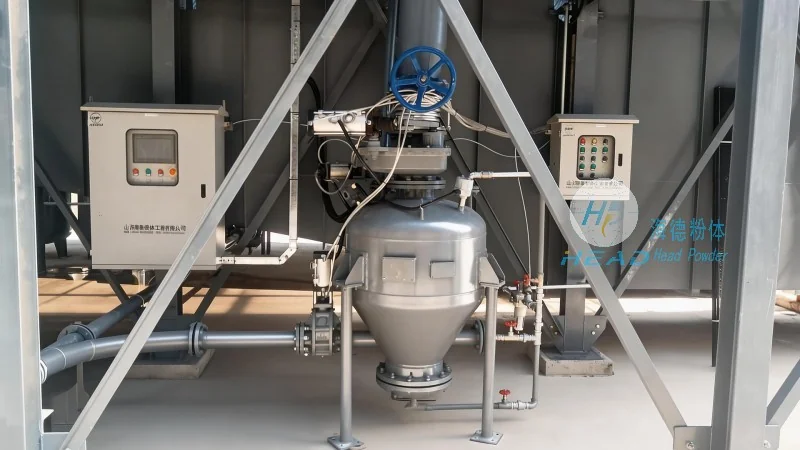
The operation of our foundry sand pneumatic conveying system begins with the loading of sand into the hopper. The material is then fed into the system via an airlock or rotary valve, which controls the flow rate and prevents material backflow. Compressed air is introduced into the conveying line, creating a high-velocity air stream that lifts and transports the sand particles through the ductwork. The system includes various components, such as bends, filters, and cyclones, to ensure smooth material flow and prevent blockages. At the destination point, the sand is discharged into a collection bin or processing unit, completing the transport cycle.
The working principle of our pneumatic conveying system relies on the fundamental concept of air movement to transport bulk materials. When compressed air is introduced into the conveying line, it creates a pressure differential that propels the sand particles forward. The system uses a combination of positive and negative pressure zones to control the flow and ensure efficient material transport. The air velocity is carefully controlled to maintain the proper suspension of sand particles, preventing settling or clogging in the ductwork. The equipment also incorporates filtration and separation mechanisms to remove any fine particles or contaminants from the air stream, maintaining air quality and system efficiency.
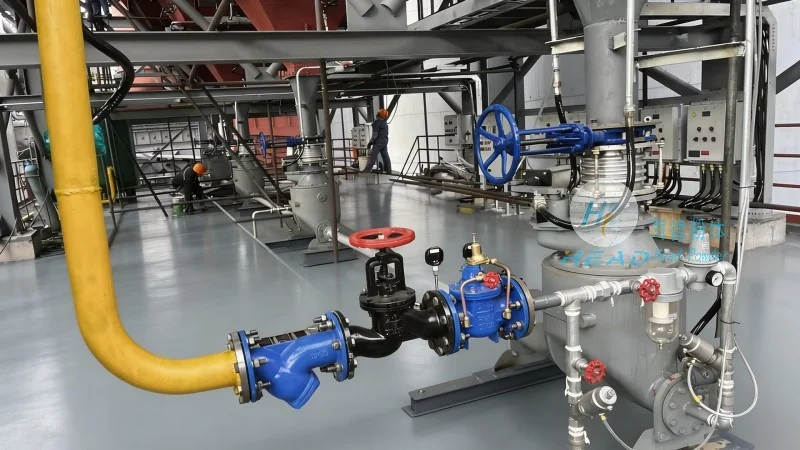
Implementing pneumatic conveying systems for foundry sand offers numerous advantages over traditional mechanical conveying methods. These include reduced labor costs, improved safety by eliminating manual handling of heavy materials, and enhanced process control through precise flow regulation. The systems also minimize material degradation and contamination, ensuring consistent quality of the sand used in casting processes. Additionally, pneumatic conveying allows for flexible system layouts, enabling easy integration with existing foundry infrastructure and future expansion.
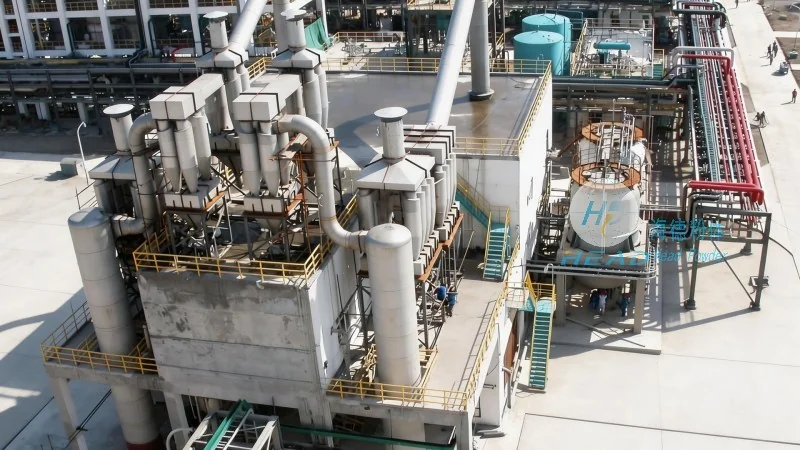
HeadPowder understands that each foundry has unique operational requirements. Therefore, our pneumatic conveying equipment is highly customizable to meet specific application needs. We offer a range of system configurations, including dilute-phase and dense-phase conveying, to accommodate different material characteristics and transport distances. Our engineering team works closely with clients to design systems that optimize material flow, minimize energy consumption, and maximize overall efficiency. Whether for new installations or retrofitting existing foundry lines, our solutions are tailored to deliver the best possible performance and reliability.
HeadPowder Engineering Co., Ltd., based in Shandong, China, is committed to providing innovative and reliable pneumatic conveying solutions for the foundry industry. Our expertise in material handling and engineering ensures that our equipment meets the highest standards of performance, durability, and safety. By leveraging advanced technology and customer-focused design, we help foundries improve operational efficiency, reduce costs, and enhance product quality. Contact HeadPowder today to learn more about our pneumatic conveying systems for foundry sand materials and how we can support your material transport needs.

 Shandong Headpowder Engineering Co., Ltd.
 156-6277-7102(Manager Zhang)
  0531-83386006
  Zhangqiu District, Jinan City, Shandong Province, China
telephone
WeChatconsult
top