

Operation Process and Working Principle of Bottom-Hopper Material Pneumatic Conveying Line
Bottom-hopper material pneumatic conveying lines are essential equipment in modern industrial material handling systems, particularly for transporting bulk materials from storage silos or hoppers to processing units. These systems offer a efficient, dust-free, and flexible solution for moving powders, granules, and other particulate materials. Understanding the operation process and working principle of such lines is crucial for optimizing performance, ensuring safety, and maintaining operational efficiency in various industries like food processing, pharmaceuticals, chemicals, and mining.
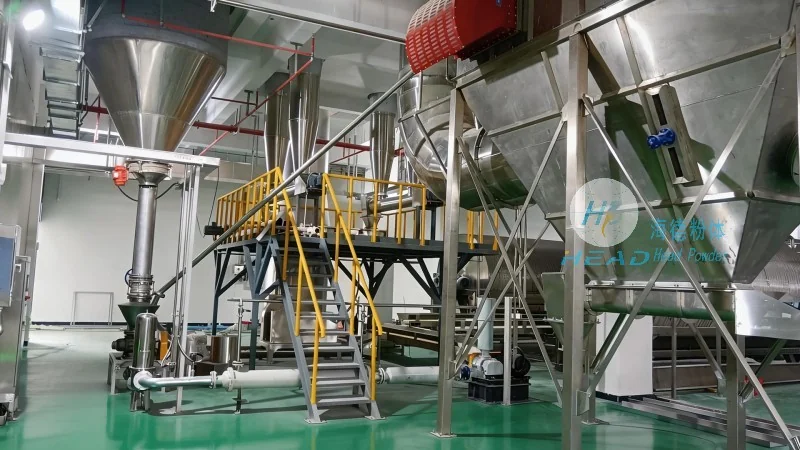
About HeadPowder Engineering Co., Ltd.
HeadPowder Engineering Co., Ltd., a leading manufacturer based in Shandong, China, specializes in the design, manufacturing, and supply of advanced material handling equipment. With a strong commitment to quality and innovation, the company has established itself as a trusted partner for businesses seeking reliable and efficient pneumatic conveying solutions. HeadPowder's expertise lies in developing customized systems tailored to meet the specific needs of clients, ensuring optimal performance and durability in demanding industrial environments.
Overview of Bottom-Hopper Material Pneumatic Conveying Lines
A bottom-hopper material pneumatic conveying line typically consists of several key components, including a bottom-hopper (or hopper), a conveying pipe system, a blower or air compressor, a control system, and a discharge outlet. The hopper is designed to store bulk materials, and the conveying pipe transports the material using air pressure or suction. The system operates by creating a pressure differential between the hopper and the discharge point, enabling the material to be moved through the pipe. This type of conveying line is widely used in industries where dust control and material containment are critical, as it minimizes the risk of material spillage and airborne contamination.
The Operation Process of Bottom-Hopper Material Pneumatic Conveying Lines
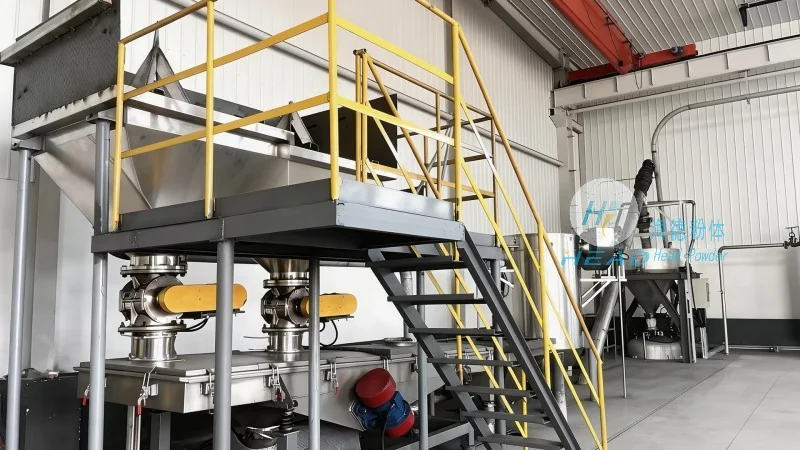
The operation process of a bottom-hopper material pneumatic conveying line involves several sequential steps that ensure smooth and continuous material transport. First, the bulk material is loaded into the bottom-hopper, which is equipped with a feeding mechanism such as a rotary valve or a gate valve to control the flow rate. Next, the blower or air compressor is activated, generating the necessary air pressure or suction to initiate the conveying process. As the air flows through the conveying pipe, it entrains the material particles, forming a slurry-like mixture known as a "pneumatic stream." The mixture is then transported from the hopper to the discharge outlet, where the material is separated from the air using a cyclone separator or a filter. The separated material is collected in a receiving container, while the air is either recirculated or vented to the atmosphere. The entire process is controlled by a programmable logic controller (PLC) or a similar system, which monitors parameters such as pressure, flow rate, and material level to ensure optimal operation. The operation process is designed to be automated, reducing the need for manual intervention and minimizing the risk of human error. This automation also allows for precise control over the material flow rate, ensuring consistent delivery to downstream processes.
The Working Principle of Bottom-Hopper Material Pneumatic Conveying Lines
The working principle of a bottom-hopper material pneumatic conveying line is based on the fundamental principles of fluid dynamics and particle transport. The system operates by creating a pressure differential between the hopper and the discharge point, which is achieved by either positive pressure (blowing air into the system) or negative pressure (suction from the system). In a positive pressure system, the blower supplies compressed air to the hopper, forcing the material to move through the conveying pipe. The air pressure is maintained at a level sufficient to overcome the resistance of the pipe and the material's friction, ensuring a steady flow. In a negative pressure system, the blower operates as an exhaust fan, creating a vacuum that draws the material from the hopper into the pipe. The air flow rate is carefully controlled to ensure that the material particles are adequately entrained without causing excessive wear on the pipe or components. The key to the system's efficiency lies in the balance between air pressure and material flow rate, as well as the design of the conveying pipe and hopper. The conveying pipe is typically made of materials such as stainless steel or plastic, which are resistant to corrosion and wear from the material being transported. The hopper is designed with a conical or rectangular shape to facilitate material flow and prevent clogging. The control system monitors the pressure and flow rate, adjusting the air supply as needed to maintain optimal conditions. The working principle also involves the use of cyclone separators or filters to separate the material from the air, ensuring that the material is delivered to the discharge point without contamination and that the air is clean before being vented or recirculated.
Key Features and Benefits of Bottom-Hopper Material Pneumatic Conveying Lines
Bottom-hopper material pneumatic conveying lines offer several key features and benefits that make them an attractive solution for industrial material handling. One of the primary advantages is the ability to transport materials in a dust-free environment, which is critical in industries such as food processing and pharmaceuticals where contamination control is paramount. The system also provides a flexible and adaptable solution, as the conveying pipe can be easily reconfigured or extended to accommodate changes in production requirements. Additionally, the system is relatively compact and can be installed in tight spaces, making it suitable for facilities with limited floor space. The automated operation of the system reduces labor costs and minimizes the risk of human error, leading to increased productivity and operational efficiency. The durability of the components, such as the hopper and conveying pipe, ensures long-term reliability and low maintenance costs. The system also offers energy efficiency, as the air compressor or blower can be sized to match the specific requirements of the application, reducing energy consumption. Overall, bottom-hopper material pneumatic conveying lines provide a cost-effective and efficient solution for moving bulk materials, enhancing the overall performance of industrial processes.
Applications and Industries Using Bottom-Hopper Material Pneumatic Conveying Lines
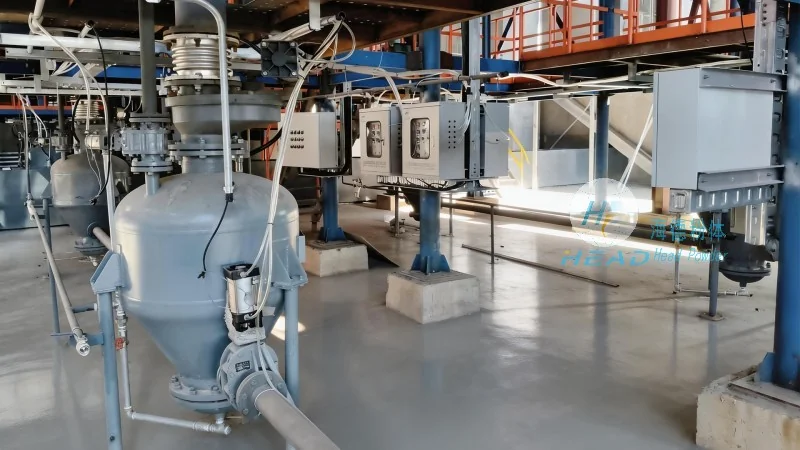
Bottom-hopper material pneumatic conveying lines are widely used in various industries that require the transport of bulk materials. In the food and beverage industry, these systems are used to transport ingredients such as flour, sugar, and spices from storage silos to processing units, ensuring a clean and efficient supply chain. In the pharmaceutical industry, the system is used to transport active pharmaceutical ingredients (APIs) and other powders, maintaining strict contamination control and ensuring product quality. The chemical industry utilizes bottom-hopper material pneumatic conveying lines to transport chemicals, solvents, and other hazardous materials, providing a safe and controlled environment for material handling. In the mining and minerals industry, the system is used to transport ores, coal, and other bulk materials from storage hoppers to processing plants, improving the efficiency of material transport and reducing handling costs. The flexibility of the system allows it to be adapted to a wide range of applications, making it a versatile solution for various industrial needs.
Conclusion
Bottom-hopper material pneumatic conveying lines are a critical component of modern industrial material handling systems, offering an efficient, dust-free, and flexible solution for transporting bulk materials. The operation process and working principle of such lines are designed to ensure optimal performance, safety, and efficiency. With the expertise of manufacturers like HeadPowder Engineering Co., Ltd., businesses can benefit from reliable and customized pneumatic conveying solutions that meet their specific needs. By understanding the operation process and working principle of these systems, industries can enhance their material handling capabilities, reduce costs, and improve overall productivity. As industrial demands continue to evolve, the importance of efficient material transport systems like bottom-hopper material pneumatic conveying lines will only increase, making them a vital investment for businesses seeking to optimize their operations.