With more than 10‑year industry experience, Shandong Headpowder delivers full‑service pneumatic‑conveying systems and blowers, undertaking nationwide turn‑key powder‑handling projects.
HeadPowder, a leading engineering company based in Shandong, China, specializes in the design, manufacturing, and installation of advanced pneumatic conveying systems. This article provides a detailed overview of the operation process and working principles of nitrogen-protected material pneumatic conveying lines, highlighting the key components, operational steps, and technical advantages of such systems.
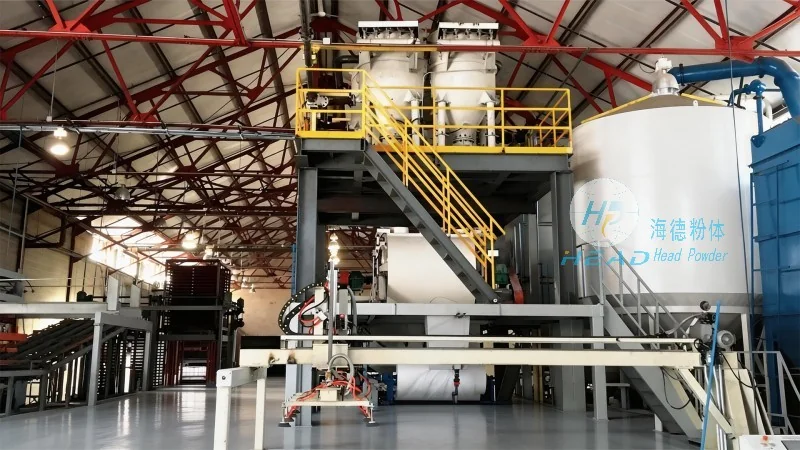
A nitrogen-protected material pneumatic conveying line typically consists of several critical components that work in tandem to ensure efficient and safe material transport. The primary components include a material hopper or feeder, a nitrogen gas supply system, a conveying pipeline, a dust collection system, and a discharge unit. Each component plays a vital role in maintaining the integrity of the conveyed material and ensuring the system operates under inert gas conditions.
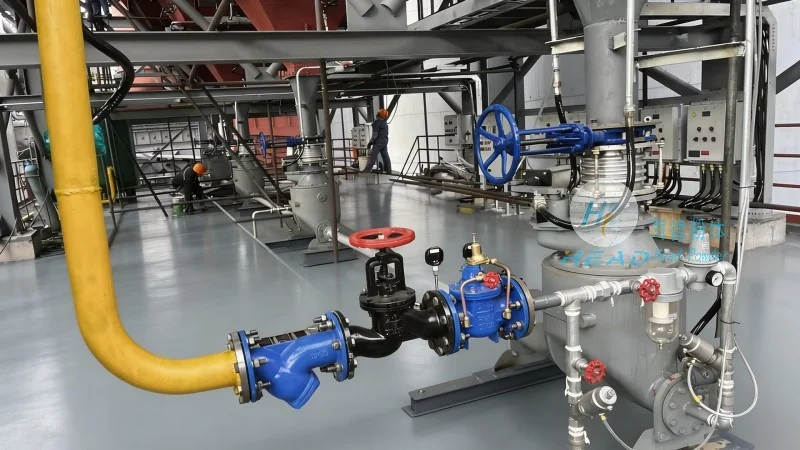
The core working principle of a nitrogen-protected pneumatic conveying line is to transport bulk materials through a pipeline using a combination of air or gas as the conveying medium. In this system, nitrogen gas is introduced to create an inert atmosphere within the pipeline, which is crucial for preventing oxidation, moisture absorption, or other chemical reactions that could degrade the material quality. The process begins with the material being fed from the hopper into the conveying line. A fan or blower generates the necessary airflow, which draws the material particles into the pipeline. The nitrogen gas is then introduced to maintain the inert environment, ensuring that the material remains in a stable state throughout the conveying process.
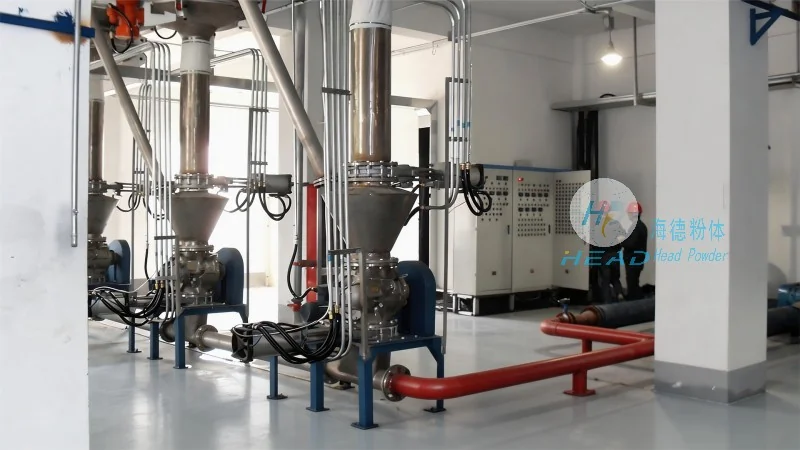
The operation of a nitrogen-protected material pneumatic conveying line involves a series of coordinated steps to ensure smooth and reliable material transport. The process typically starts with the preparation phase, where the material is loaded into the hopper and the nitrogen gas supply is activated. Next, the conveying phase begins, where the fan or blower starts operating, creating the airflow that pulls the material through the pipeline. The nitrogen gas is continuously supplied to maintain the inert atmosphere, preventing any exposure to ambient air that could affect the material's properties. During the conveying process, the system monitors key parameters such as pressure, flow rate, and material level to ensure optimal performance. The final step involves the discharge of the material from the pipeline into the receiving hopper or storage container, completing the cycle.
Nitrogen-protected material pneumatic conveying systems offer several technical advantages over traditional conveying methods. The inert gas environment protects sensitive materials from contamination, oxidation, or moisture, making it ideal for transporting products like pharmaceuticals, food ingredients, and chemicals that require strict quality control. Additionally, these systems are highly efficient in terms of energy consumption and material handling, reducing operational costs and improving overall productivity. The flexibility of pneumatic conveying allows for easy integration into existing production lines, and the system can handle a wide range of material types and particle sizes. HeadPowder's expertise in designing and implementing such systems ensures that clients receive customized solutions tailored to their specific operational needs.
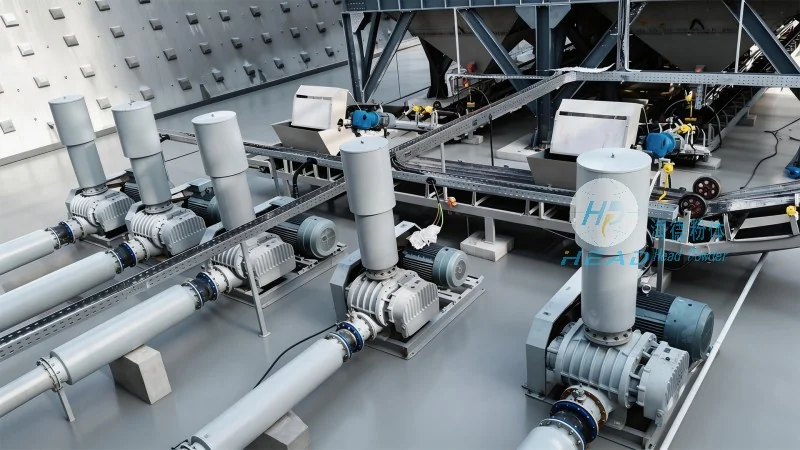
In conclusion, nitrogen-protected material pneumatic conveying lines are advanced systems that combine efficient material transport with the protection of sensitive products through an inert gas environment. The operation process involves careful coordination of components and steps to maintain optimal conditions, ensuring the material's integrity is preserved throughout the conveying process. With its technical advantages and versatile applications, this technology is a valuable asset for industries that require high-quality material handling solutions. HeadPowder, with its commitment to engineering excellence, continues to provide reliable and innovative solutions for material conveying challenges in various sectors.

 Shandong Headpowder Engineering Co., Ltd.
 156-6277-7102(Manager Zhang)
  0531-83386006
  Zhangqiu District, Jinan City, Shandong Province, China
telephone
WeChatconsult
top