

Operation Process and Working Principle of Monosodium Glutamate Material Pneumatic Conveying Line
Shandong HeadPowder Engineering Co., Ltd., a professional manufacturer based in Shandong, China, specializes in providing advanced solutions for material handling, particularly in the field of pneumatic conveying systems for monosodium glutamate (MSG) and similar bulk materials.
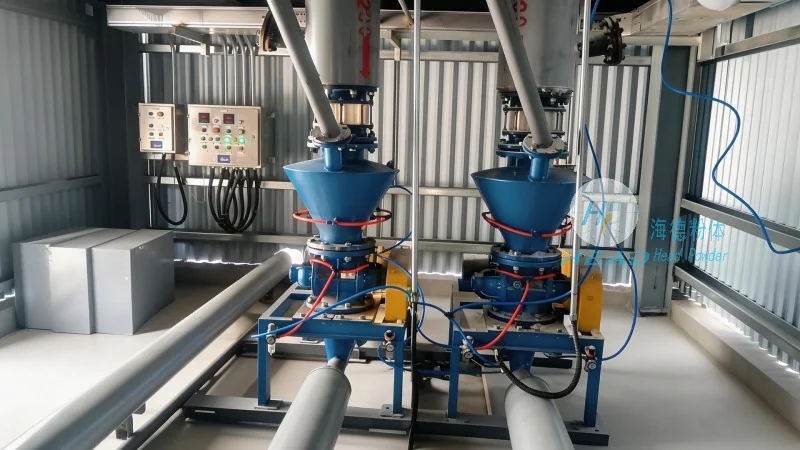
Introduction to Pneumatic Conveying Systems for Monosodium Glutamate
Monosodium glutamate, commonly known as MSG, is a widely used flavor enhancer in the food industry. Efficient and reliable material handling is crucial for manufacturers to maintain production efficiency and product quality. Pneumatic conveying lines offer an effective solution for transporting MSG and other similar bulk materials from storage to processing areas, or between different production stages. These systems are designed to handle the specific characteristics of MSG, such as its fine particle size and hygroscopic nature, ensuring minimal product degradation and loss during transport.
Working Principle of Pneumatic Conveying Lines
The core of a pneumatic conveying line is the use of air as a carrier to transport solid materials. The system operates based on the principle of fluidization, where the material is suspended in a stream of air and moved through the pipeline. There are two main types of pneumatic conveying systems: positive pressure and negative pressure. Positive pressure systems use a blower to generate air pressure, pushing the material through the pipeline. Negative pressure systems, on the other hand, use a vacuum pump to create a suction effect, drawing the material into the pipeline. For monosodium glutamate, positive pressure systems are often preferred due to their ability to handle fine powders and prevent product contamination from external air.
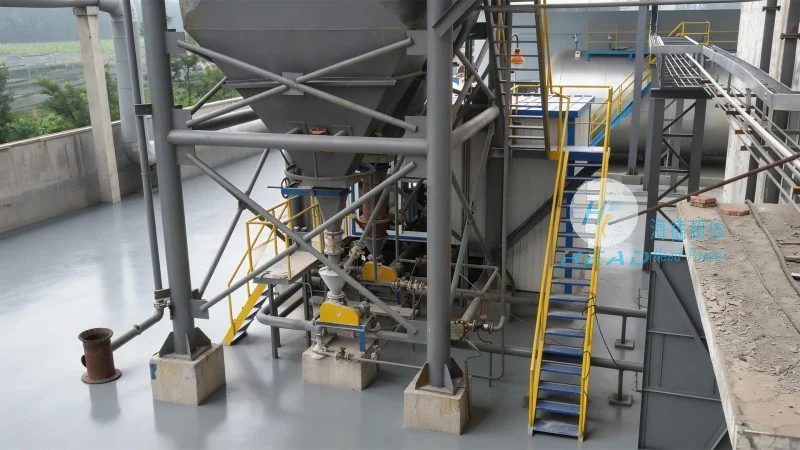
Operation Process of Monosodium Glutamate Pneumatic Conveying Lines
The operation of a monosodium glutamate pneumatic conveying line involves several key steps, each designed to ensure smooth and efficient material transport. The process typically begins with the feeding of the MSG into the system. A feed hopper or rotary valve is used to control the flow of the material into the conveying line. The material is then introduced into the pipeline, where it is mixed with a controlled amount of air from the blower. As the air flows through the pipeline, it creates a low-pressure zone that lifts the MSG particles, suspending them in the air stream. The mixture travels through the pipeline to the destination point, such as a storage silo or processing equipment. At the receiving end, a separator or cyclone is used to separate the air from the material. The separated air is then discharged, while the MSG is collected and discharged into the receiving container. The system also includes a filter to remove any fine particles from the air, ensuring compliance with environmental regulations and preventing product contamination.
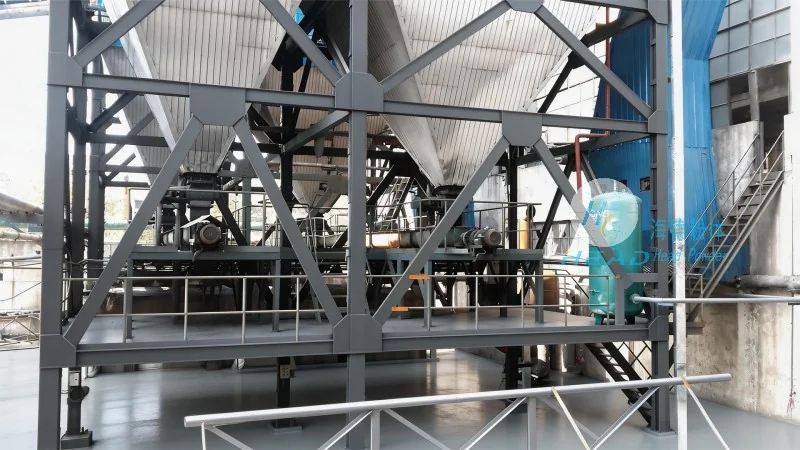
Key Components of the Pneumatic Conveying System
Several critical components work together to ensure the proper operation of the monosodium glutamate pneumatic conveying line. The first component is the air supply system, which includes a blower or vacuum pump that generates the necessary air pressure or suction. The blower is typically equipped with a filter to remove dust and other contaminants from the air, preventing damage to the system and ensuring clean air for material transport. The second component is the feed system, which includes a hopper or rotary valve that controls the flow of the MSG into the pipeline. The feed system is designed to handle the fine particle size of MSG and prevent blockages or uneven flow. The third component is the conveying pipeline, which is made of materials such as stainless steel or plastic to prevent corrosion and product contamination. The pipeline is equipped with bends and elbows to guide the material through the system, and the diameter is selected based on the material flow rate and particle size. The fourth component is the separator or cyclone, which separates the air from the material at the receiving end. The separator uses centrifugal force to separate the heavier MSG particles from the air, and the separated material is collected in a receiving hopper. The fifth component is the filter, which removes any fine particles from the air before it is discharged into the environment. The filter is typically made of a fine mesh or fabric and is designed to capture particles as small as 1 micron.
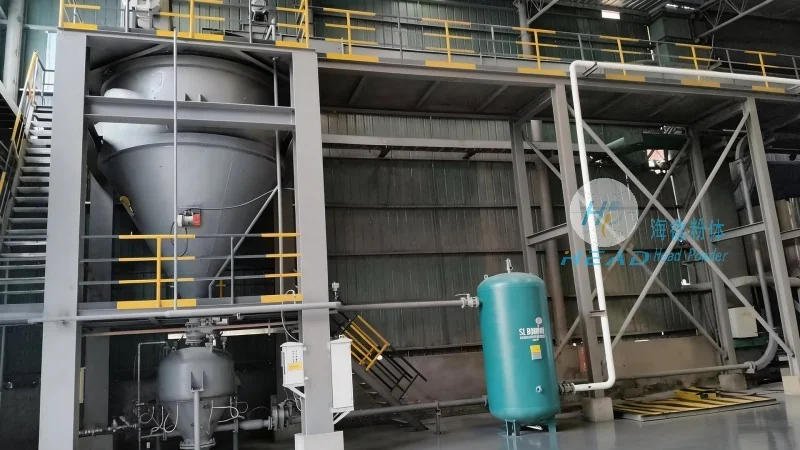
Advantages of Using Pneumatic Conveying Lines for Monosodium Glutamate
There are several advantages to using pneumatic conveying lines for monosodium glutamate transport. First, the system is fully enclosed, which prevents product contamination from external sources and reduces dust emissions. This is particularly important for MSG, which is hygroscopic and can absorb moisture from the air, affecting its quality. Second, the system is flexible and can be easily integrated into existing production lines. The conveying line can be adjusted to handle different flow rates and material types, making it suitable for various production scales. Third, the system is energy-efficient compared to other material handling methods, such as belt conveyors or bucket elevators. The use of air as a carrier reduces the need for mechanical components, such as rollers or chains, which can wear out and require frequent maintenance. Fourth, the system is hygienic and easy to clean, which is essential for food processing applications. The stainless steel components and enclosed design make it easy to sanitize the system and prevent the growth of bacteria or other microorganisms.
Conclusion
Monosodium glutamate pneumatic conveying lines are an essential component of modern food processing facilities. The system provides an efficient, reliable, and hygienic method for transporting MSG and other bulk materials. Shandong HeadPowder Engineering Co., Ltd. offers high-quality pneumatic conveying systems tailored to the specific needs of MSG manufacturers, ensuring optimal performance and product quality. By understanding the operation process and working principles of these systems, manufacturers can make informed decisions about their material handling solutions and improve overall production efficiency.