

What is a Sulfate Ammonium Powder Pneumatic Conveying Line? What Are Its Design Principles?
For industrial operations dealing with sulfate ammonium powder, efficient and reliable material handling is crucial. A pneumatic conveying line is a specialized system designed to transport bulk powder materials like sulfate ammonium through a pipeline using air or other gas as the conveying medium. This technology offers numerous advantages over traditional methods such as belt conveyors or bucket elevators, including reduced contamination risk, lower maintenance requirements, and the ability to handle materials in a closed system. The HeadPowder Engineering Co., Ltd., a leading provider of powder handling solutions, specializes in designing and manufacturing such systems tailored to meet the specific needs of clients in various industries.
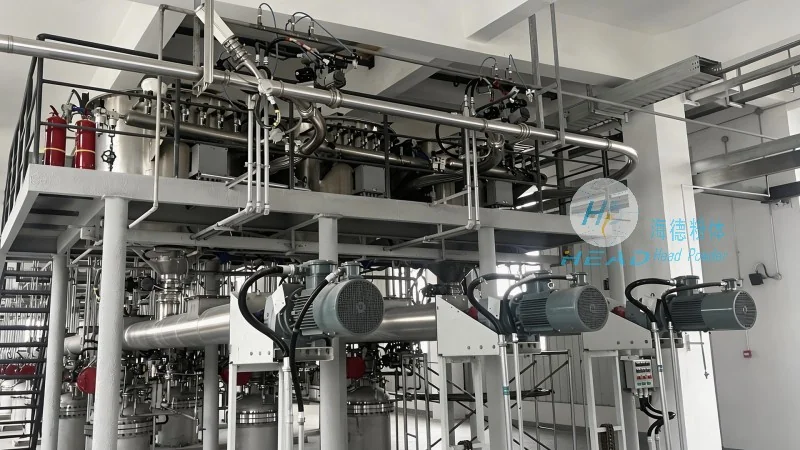
Key Components of a Sulfate Ammonium Powder Pneumatic Conveying System
The core components of a sulfate ammonium powder pneumatic conveying line typically include a material feed hopper, a conveying pipeline, a gas source (usually a blower or compressor), and a discharge unit. The feed hopper is responsible for storing and metering the powder, ensuring a consistent flow into the system. The pipeline, often made of stainless steel or other corrosion-resistant materials, transports the powder and air mixture. The gas source provides the necessary pressure and airflow to move the material through the system. The discharge unit, which may include a receiver or a dust collector, collects the conveyed powder and separates it from the air. Each component plays a critical role in the overall performance and efficiency of the conveying line.
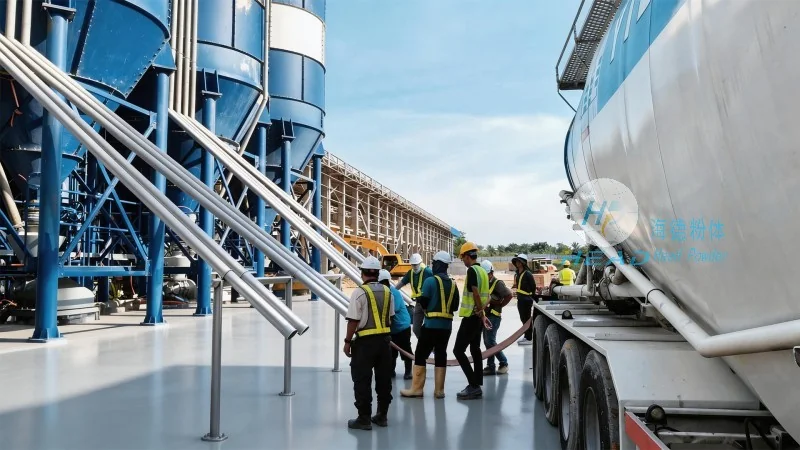
Design Principles for Sulfate Ammonium Powder Pneumatic Conveying Lines
The design of a sulfate ammonium powder pneumatic conveying line is based on several key principles to ensure optimal performance and safety. First, the system must be designed to handle the specific properties of sulfate ammonium powder, such as its particle size, density, and flowability. These properties affect the required air velocity and pressure to achieve effective conveying. Second, the system must be constructed from materials that are resistant to corrosion and abrasion, as sulfate ammonium can be corrosive and abrasive over time. Stainless steel is commonly used for the pipeline and other components to prevent material degradation. Third, the system must incorporate proper dust control measures to comply with environmental regulations and ensure workplace safety. This includes features like dust collectors and filtration systems that capture and remove fine particles from the air. Finally, the design must consider the overall system layout, including the length and number of bends in the pipeline, to minimize pressure losses and ensure efficient material transport.
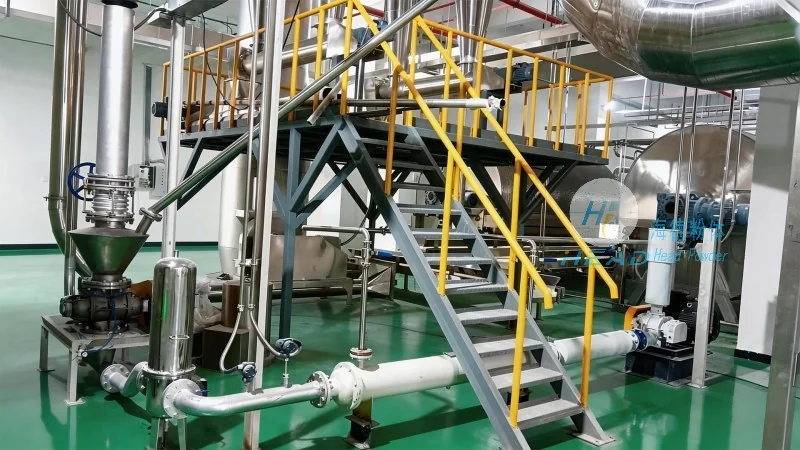
Advantages of Using a Sulfate Ammonium Powder Pneumatic Conveying Line
Implementing a pneumatic conveying line for sulfate ammonium powder offers several significant advantages over traditional material handling methods. One of the primary benefits is the ability to maintain a closed system, which prevents contamination from external sources and minimizes dust emissions into the environment. This is particularly important for sulfate ammonium, which can be a respiratory irritant if inhaled. Another advantage is the reduced risk of product degradation, as the closed system protects the powder from moisture, oxygen, and other contaminants that could affect its quality. Additionally, pneumatic conveying systems are generally more compact and require less floor space compared to other bulk handling equipment, making them suitable for facilities with limited space. The HeadPowder Engineering Co., Ltd. designs systems that leverage these advantages to provide clients with efficient, reliable, and cost-effective powder handling solutions.
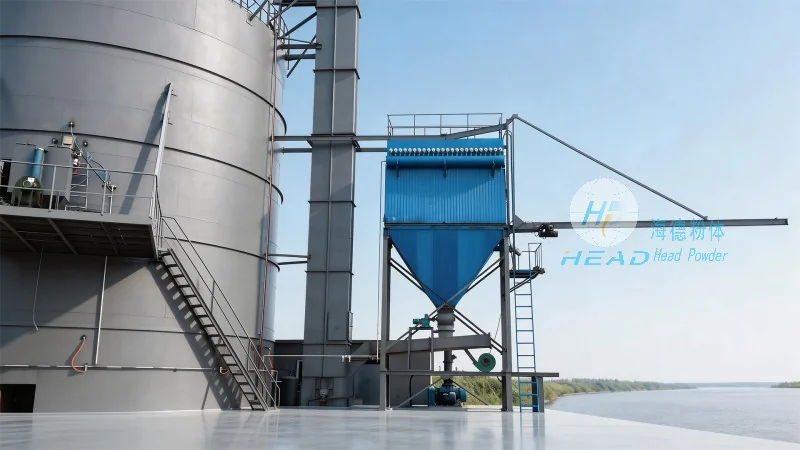
Customization and Application in Industrial Settings
At HeadPowder Engineering Co., Ltd., we understand that each industrial application has unique requirements. Therefore, our pneumatic conveying lines are highly customizable to meet the specific needs of our clients. Whether the application involves transporting sulfate ammonium from a storage silo to a processing unit, or from a production line to a packaging facility, our engineers work closely with clients to design a system that optimizes performance and efficiency. The customization options include varying the pipeline diameter, the type of gas source, the material of construction, and the control systems. For example, a system for high-volume conveying may use a larger pipeline and a more powerful blower, while a system for low-volume, high-purity applications may incorporate additional filtration and cleaning features. Our goal is to provide a solution that not only meets but exceeds the client's expectations in terms of reliability, safety, and operational efficiency.