

What is a Pearl Sand Powder Pneumatic Conveying System? And What Are Its Design Principles?
For industries that rely on bulk powder materials, efficient and reliable material handling is a critical factor in operational success. Among the various technologies available, pneumatic conveying systems have become a preferred choice, especially for transporting materials like pearl sand. This article explores the concept of a pearl sand powder pneumatic conveying line and examines the fundamental design principles that underpin its functionality and effectiveness.
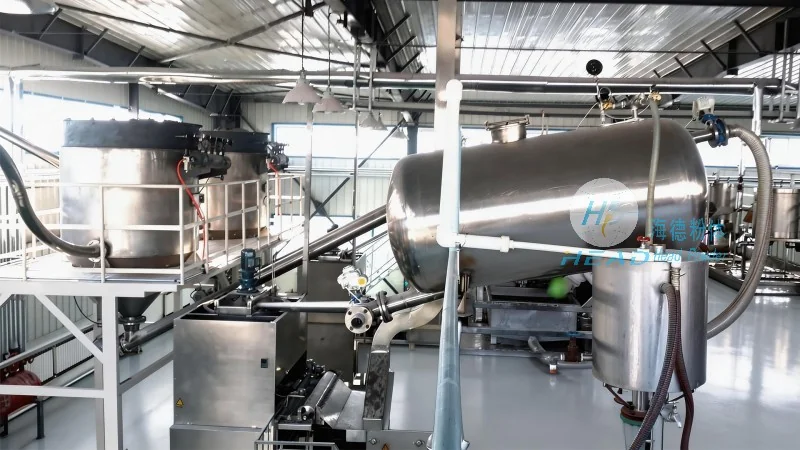
Pneumatic Conveying: A Fundamental Technology
Pneumatic conveying, also known as pneumatic transport, is a method of moving bulk materials through a pipeline using air or gas as the conveying medium. Unlike mechanical systems that utilize belts, screws, or buckets, pneumatic systems leverage the force of compressed air to transport powders, granules, or fine particles. This approach offers distinct advantages, including reduced equipment wear, lower maintenance requirements, and the ability to operate in a closed system, which minimizes dust and contamination risks.
Understanding the Pearl Sand Powder Pneumatic Conveying System
The pearl sand powder pneumatic conveying system is specifically engineered for the transportation of pearl sand, a fine, abrasive material commonly utilized in industrial applications such as foundries, ceramics manufacturing, and water treatment processes. This system is tailored to handle the unique properties of pearl sand, including its particle size distribution, density, and flow characteristics. The system typically comprises several key components: a hopper for material storage, a feeder to regulate the flow rate, a conveying line with appropriate pipe diameter and material, and a receiver to collect the material at the destination.
Core Design Principles of the System
The design of a pearl sand powder pneumatic conveying system is guided by several essential principles to ensure optimal performance and efficiency. These principles include:
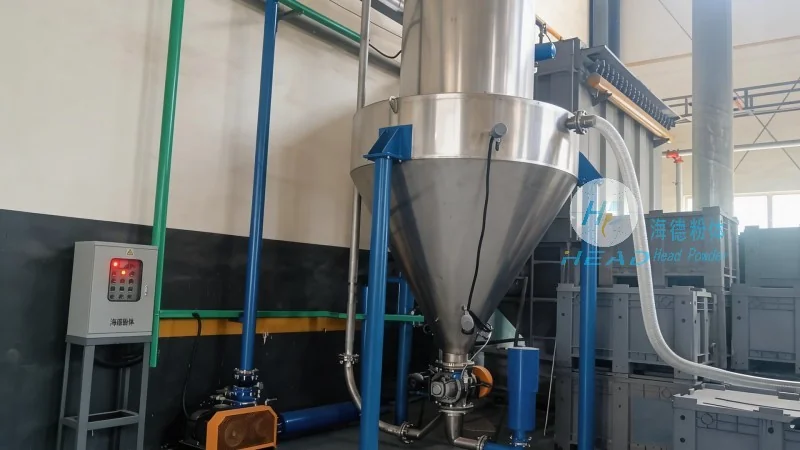
1. Air Velocity and Pressure Management: The system operates by creating a sufficient air velocity within the pipeline to lift and transport the powder particles. The air velocity must be high enough to overcome gravitational forces acting on the particles but not excessively high to cause wear on system components or create undue pressure drops. The required pressure is determined by the distance the material needs to travel and the resistance encountered within the pipeline.
2. Particle Size and Density Considerations: The design must account for the particle size distribution and density of the pearl sand. Smaller particles necessitate higher air velocities for effective conveyance, while larger or denser particles may require higher pressure or different pipe diameters. The system's components, such as the feeder and hopper, are often customized to handle specific particle characteristics to ensure consistent flow.
3. Pipeline Configuration and Material: The layout of the conveying line is critical to system performance. The pipeline should be designed to minimize bends and directional changes, as these can cause particle segregation or increased pressure losses. The use of appropriate pipe materials, such as stainless steel or specialized coatings, is essential to resist corrosion and wear from the abrasive nature of pearl sand.
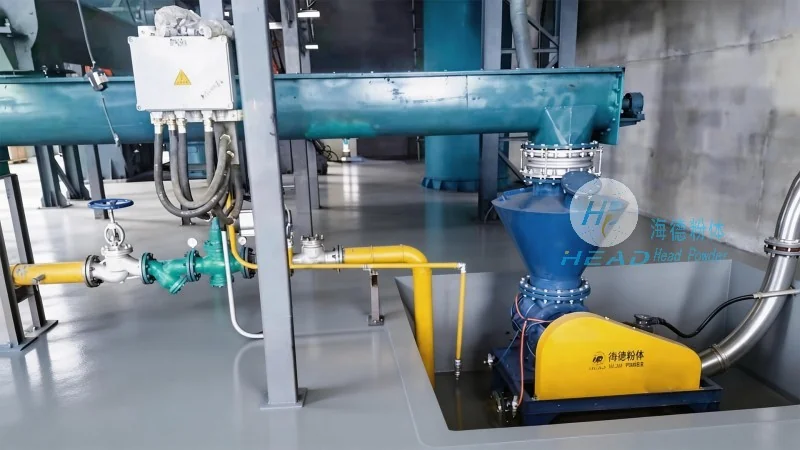
4. Material Handling and Control Mechanisms: The system incorporates control devices to regulate the flow of both air and material. This includes components like rotary valves, airlocks, and pressure sensors that help maintain consistent conveying rates and prevent blockages. Proper control ensures the system operates efficiently and safely, reducing downtime and maintenance needs.
Applications and Advantages
The pearl sand powder pneumatic conveying system is widely employed across various industrial sectors due to its versatility and efficiency. Key benefits include:
1. Reduced Labor and Maintenance Costs: By automating the material handling process, the system minimizes the need for manual labor and reduces equipment wear, leading to lower long-term maintenance expenses.
2. Dust-Free Operation: The closed system design prevents dust from being released into the environment, enhancing workplace safety and compliance with environmental regulations.
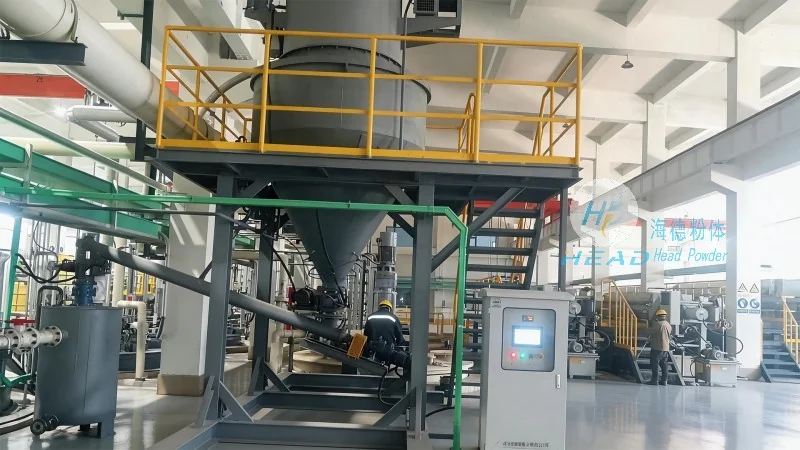
3. Flexibility and Scalability: The system can be easily scaled to accommodate varying production volumes and integrated with other processing equipment, making it suitable for both small and large-scale operations.
4. Improved Material Quality: By maintaining a closed environment, the system prevents contamination from external sources, ensuring the pearl sand remains in optimal condition for its intended use.
Conclusion
In summary, the pearl sand powder pneumatic conveying system represents a sophisticated and efficient solution for handling bulk powder materials. Its design, grounded in principles of air velocity, particle characteristics, and system configuration, ensures reliable and cost-effective material transport. As a leading provider in this field, Shandong HeadPowder Engineering Co., Ltd., headquartered in Shandong, China, specializes in designing and manufacturing such systems tailored to the specific needs of industrial clients. By adhering to these design principles and leveraging advanced technology, the company ensures that its pneumatic conveying systems deliver optimal performance and longevity for its customers.