With more than 10‑year industry experience, Shandong Headpowder delivers full‑service pneumatic‑conveying systems and blowers, undertaking nationwide turn‑key powder‑handling projects.
HeadPowder, a leading engineering firm based in Shandong, China, specializes in the design and implementation of advanced pneumatic conveying systems tailored for the handling of battery positive electrode materials. These systems are critical in the battery manufacturing process, ensuring efficient, safe, and reliable material transport from storage to processing units. This article provides a technical analysis of the two primary modes of pneumatic conveying—positive pressure and negative pressure—comparing their applications, advantages, and limitations in the context of battery material handling.
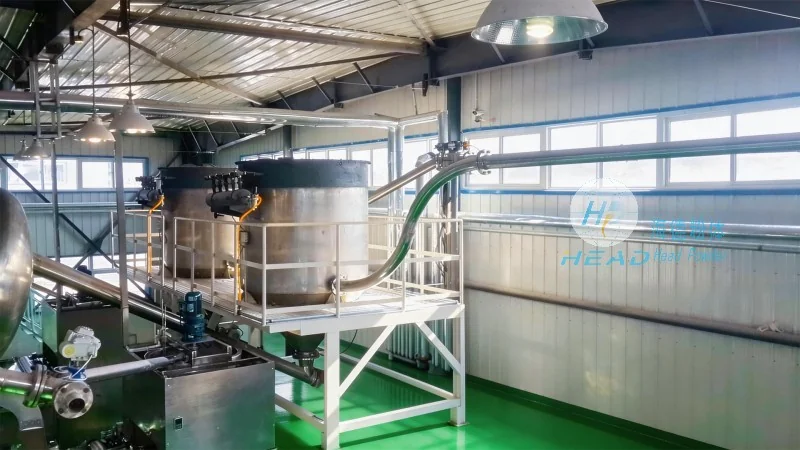
Before delving into the comparison of conveying modes, it is essential to understand the unique characteristics of battery positive electrode materials. These materials, often composed of active ingredients like lithium cobalt oxide (LCO), lithium iron phosphate (LFP), or other high-purity compounds, present specific challenges during handling. They are typically fine powders with varying particle sizes, densities, and flow properties. The material’s hygroscopic nature, potential for dust generation, and sensitivity to moisture or contamination further complicate the conveying process. Therefore, the choice of a pneumatic conveying system must consider these factors to maintain material integrity and operational efficiency.
Positive pressure systems operate by generating pressurized air or gas to push material through a pipeline. In the context of battery positive electrode materials, this mode is often employed for short to medium-distance transport, where the material is conveyed from a storage silo or hopper to a mixing or charging unit. The system typically includes a blower or compressor that supplies air under pressure, a feed hopper equipped with a rotary valve or star feeder to control material discharge, and a pipeline network that directs the material to the destination. The positive pressure approach ensures that the material is continuously pushed forward, minimizing the risk of blockages and ensuring a steady flow rate.
One of the key advantages of positive pressure conveying is its ability to handle a wide range of material characteristics, including cohesive or low-flowing powders. The pressurized air helps break up agglomerates and maintain a consistent flow, which is crucial for maintaining the material’s quality. Additionally, positive pressure systems are generally more straightforward to install and maintain, as they do not require complex vacuum equipment. However, they may face limitations when dealing with long-distance transport or high material loads, as the pressure drop along the pipeline can increase significantly, potentially reducing the conveying efficiency.
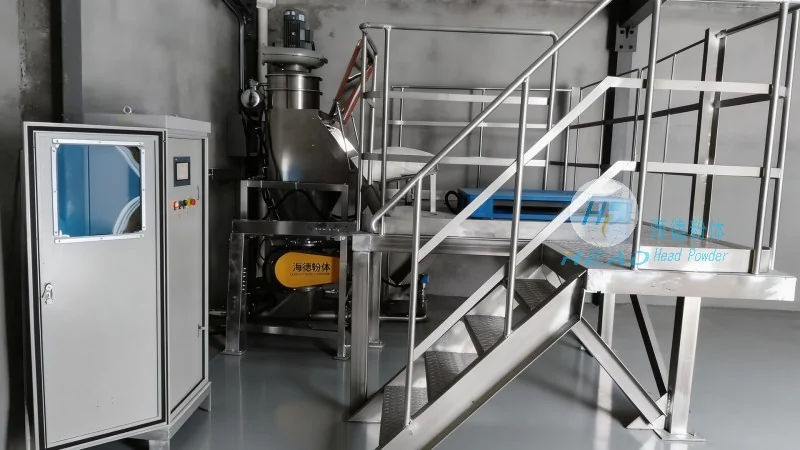
Negative pressure systems, conversely, rely on creating a vacuum to draw material into the pipeline. This mode is commonly used for longer-distance transport or when the material needs to be conveyed from multiple sources to a central processing unit. The system consists of a vacuum pump, a material feed hopper with a suitable discharge mechanism, and a pipeline that draws material from the source into the system. The vacuum is maintained throughout the pipeline, ensuring that the material is pulled along by the air flow.
A significant advantage of negative pressure conveying is its suitability for long-distance transport, as the vacuum can be maintained over extended lengths without a substantial increase in pressure drop. This makes it ideal for applications where the material must be transported from a remote storage location to a processing facility. Additionally, negative pressure systems are often more energy-efficient for long distances, as the vacuum pump operates at a lower pressure compared to the high-pressure blower used in positive pressure systems. However, they are more susceptible to material blockages and require more robust filtration and maintenance to prevent dust accumulation and system contamination.
When selecting a pneumatic conveying system for battery positive electrode materials, the choice between positive and negative pressure modes depends on several factors, including the distance of transport, material characteristics, and operational requirements. The following table provides a comparative overview of the two modes:

| Feature | Positive Pressure | Negative Pressure |
| Transport Distance | Short to medium (typically < 100 meters) | Long (up to several hundred meters) |
| Material Handling | Handles cohesive or low-flowing powders effectively | Best for free-flowing powders |
| Energy Efficiency | Higher for short distances | More efficient for long distances |
| System Complexity | Relatively simple, easier to install | More complex, requires robust filtration |
| Blockage Risk | Lower | Higher |
For battery positive electrode material handling, positive pressure systems are often preferred for short-distance transport within a manufacturing facility, where the material is moved from a storage silo to a mixing or coating line. The system’s ability to handle cohesive powders and maintain a consistent flow rate makes it suitable for these applications. In contrast, negative pressure systems may be more appropriate for longer-distance transport, such as moving material from a warehouse or off-site storage to the production plant. The energy efficiency and ability to handle longer distances make negative pressure a viable option in such scenarios.
Implementing either positive or negative pressure pneumatic conveying systems for battery positive electrode materials requires careful consideration of several technical aspects to ensure optimal performance and material integrity. First, the selection of the appropriate blower or vacuum pump is critical. For positive pressure systems, a high-pressure blower with sufficient capacity to overcome pipeline resistance is necessary. The pump must be capable of maintaining the required pressure throughout the conveying line. In negative pressure systems, a robust vacuum pump with low maintenance requirements is essential to maintain the vacuum level and prevent system failures.
Second, the design of the feed hopper and discharge mechanism plays a vital role. The hopper must be designed to prevent material bridging or agglomeration, which can lead to blockages. A rotary valve or star feeder is commonly used to control the material flow rate, ensuring a steady and consistent discharge. The feed mechanism must be compatible with the material’s flow properties to avoid clogging or uneven material discharge.
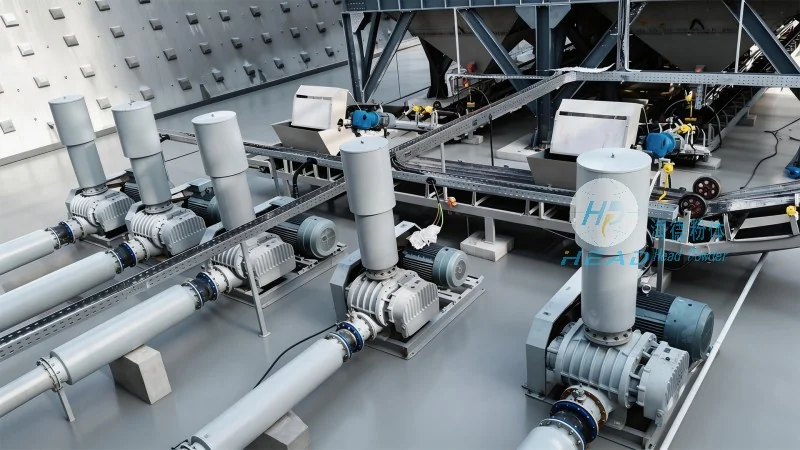
Third, the pipeline design and material selection are crucial. The pipeline should be made of materials resistant to the battery material’s chemical properties, such as stainless steel or corrosion-resistant alloys, to prevent material degradation or contamination. The pipeline diameter and length must be optimized to minimize pressure drop and ensure efficient material transport. Additionally, the use of appropriate bends, elbows, and filters is necessary to maintain system efficiency and prevent dust accumulation.
Fourth, filtration and dust control are essential components of any pneumatic conveying system. The system must include high-efficiency filters to capture any dust or particles that may be released during the conveying process. This not only protects the environment but also prevents material contamination, which can affect the quality of the battery positive electrode. Regular maintenance of the filters is necessary to ensure optimal performance and prevent system downtime.
HeadPowder, with its expertise in engineering and manufacturing, provides comprehensive solutions for pneumatic conveying systems tailored to the specific needs of battery positive electrode material handling. By understanding the advantages and limitations of both positive and negative pressure modes, manufacturers can select the most suitable system for their operational requirements. Whether opting for a positive pressure system for short-distance transport or a negative pressure system for longer distances, the key is to ensure that the system is designed to handle the unique characteristics of the battery material, maintain material integrity, and operate efficiently. With proper design, implementation, and maintenance, pneumatic conveying systems can significantly enhance the productivity and reliability of battery manufacturing processes.

 Shandong Headpowder Engineering Co., Ltd.
 156-6277-7102(Manager Zhang)
  0531-83386006
  Zhangqiu District, Jinan City, Shandong Province, China
telephone
WeChatconsult
top