

What is a Lithium Oxide Powder Pneumatic Conveying System? And What Are Its Design Principles?
For industries dealing with lithium oxide powder, the selection of an efficient and reliable conveying system is crucial. This article explores the concept of a lithium oxide powder pneumatic conveying system and delves into its design principles, providing insights into how such systems operate and why they are essential in material handling processes. The information is presented by Shandong HeadPowder Engineering Co., Ltd., a leading provider of specialized engineering solutions for powder handling systems.
Understanding the Lithium Oxide Powder Pneumatic Conveying System
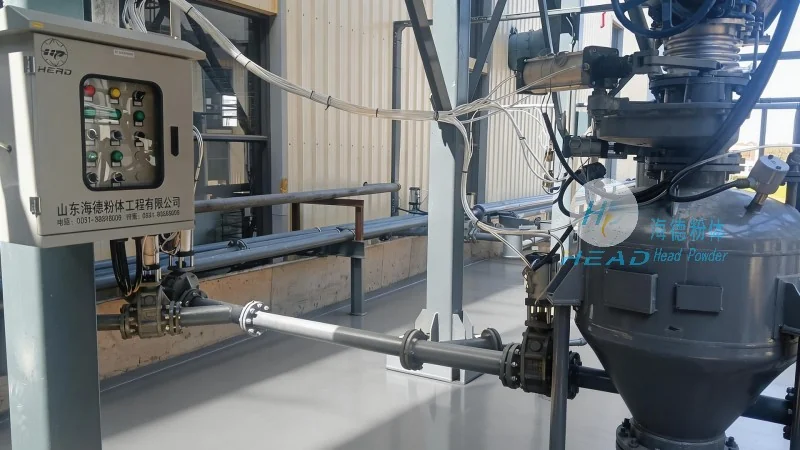
A lithium oxide powder pneumatic conveying system is a specialized equipment used to transport lithium oxide powder from one location to another through the use of air or gas. This method is particularly advantageous for handling fine powders like lithium oxide, which can be difficult to move using traditional mechanical conveyors due to issues like dust generation, clogging, and material degradation. The system typically consists of a hopper, a blower or compressor, a pipeline network, and a receiver or discharge unit. The hopper stores the lithium oxide powder, while the blower generates the airflow that propels the powder particles through the pipeline. The pipeline may include components such as bends, filters, and control valves to manage the flow and ensure the material reaches its destination without loss or contamination.
Key Design Principles of the System
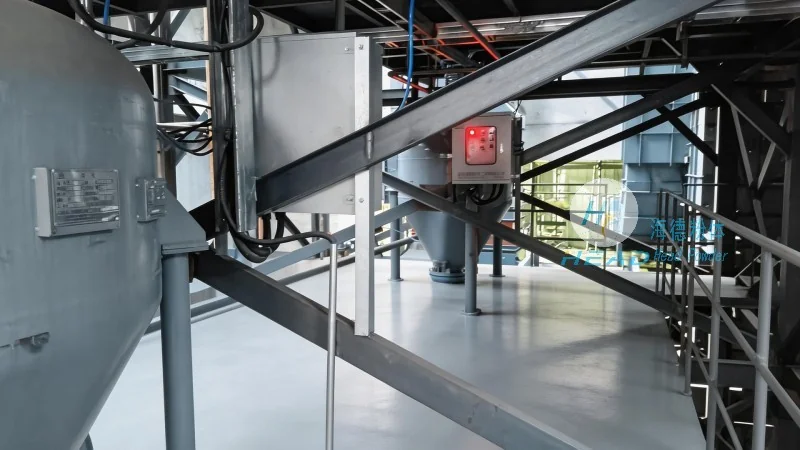
The design of a lithium oxide powder pneumatic conveying system is based on several critical principles to ensure optimal performance, efficiency, and safety. The first principle is the selection of the appropriate conveying method, which can be categorized as pressure or vacuum systems. Pressure systems use a positive pressure blower to push the powder through the pipeline, while vacuum systems employ a vacuum pump to draw the powder from the source. For lithium oxide powder, which is often sensitive to moisture and air exposure, a pressure system is commonly preferred as it minimizes the risk of material degradation and contamination. The second principle is the calculation of the required airflow rate and pressure. This involves determining the powder's bulk density, particle size distribution, and the system's length and diameter. Proper calculation ensures that the powder is fully suspended and transported without settling or clogging in the pipeline. The third principle is the selection of the right pipeline materials and components. Since lithium oxide is a reactive material, the pipeline must be made of materials that are chemically inert and resistant to corrosion, such as stainless steel or special plastics. Additionally, the system may include filters and cyclones to separate the powder from the air and prevent dust emissions, which is essential for maintaining a clean and safe working environment.
Components and Their Functions
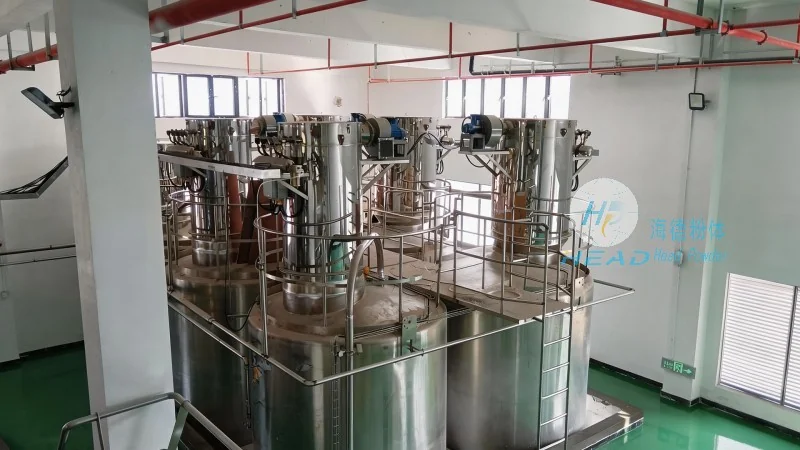
Each component of the lithium oxide powder pneumatic conveying system plays a vital role in the overall operation. The hopper, often equipped with a feeder or gate valve, ensures a consistent supply of powder to the system. The feeder controls the flow rate, preventing overloading or underloading of the system. The blower or compressor generates the necessary airflow, with the pressure and volume adjustable based on the system's requirements. The pipeline network connects the hopper to the receiver, with bends and elbows designed to minimize pressure loss and maintain the powder's suspension. The receiver or discharge unit collects the powder at the destination, often equipped with a dust collection system to capture any fine particles and prevent environmental contamination. Filters and cyclones are installed along the pipeline to separate the powder from the air, ensuring that the air is clean and the powder is free from contaminants. Control valves and sensors are also integrated into the system to monitor and regulate the flow, pressure, and temperature, providing real-time feedback and allowing for adjustments to maintain optimal performance.
Advantages of Using a Pneumatic Conveying System for Lithium Oxide
Implementing a lithium oxide powder pneumatic conveying system offers several advantages over traditional mechanical conveyors. First, it provides a dust-free and clean transfer of the material, which is critical for maintaining a safe working environment and preventing contamination of the powder. This is particularly important for lithium oxide, which is used in various applications such as battery manufacturing, where purity is essential. Second, the system is highly efficient in terms of energy consumption and material handling speed. By using air to transport the powder, the system can move large quantities of material over long distances with minimal energy input. Third, the system is flexible and can be easily integrated into existing production lines, allowing for changes in the production process without major modifications. Fourth, it reduces the risk of material degradation and clogging, which can lead to downtime and increased maintenance costs. Overall, the pneumatic conveying system is a reliable and efficient solution for handling lithium oxide powder, ensuring consistent quality and productivity in industrial applications.
Conclusion
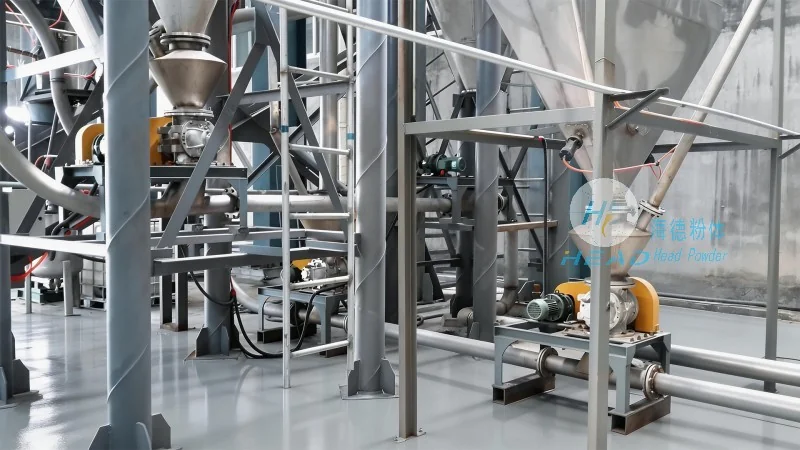
In conclusion, a lithium oxide powder pneumatic conveying system is a sophisticated and essential equipment for industries dealing with lithium oxide powder. Its design is based on principles that ensure efficient, safe, and reliable material handling. By understanding the components and design principles, industries can select and implement the most suitable system for their specific needs, improving productivity and maintaining the quality of the lithium oxide powder. As the demand for lithium oxide in various industries continues to grow, the importance of efficient conveying systems cannot be overstated, making it a critical investment for any company involved in lithium oxide processing.