With more than 10‑year industry experience, Shandong Headpowder delivers full‑service pneumatic‑conveying systems and blowers, undertaking nationwide turn‑key powder‑handling projects.
HeadPowder, a leading engineering company based in Shandong, China, specializes in the design and implementation of advanced pneumatic conveying systems for the cement and aggregate industries. This article provides a technical analysis of the two primary conveying modes—positive pressure and negative pressure—used in cement aggregate pneumatic conveying systems, highlighting their operational principles, advantages, and practical applications.
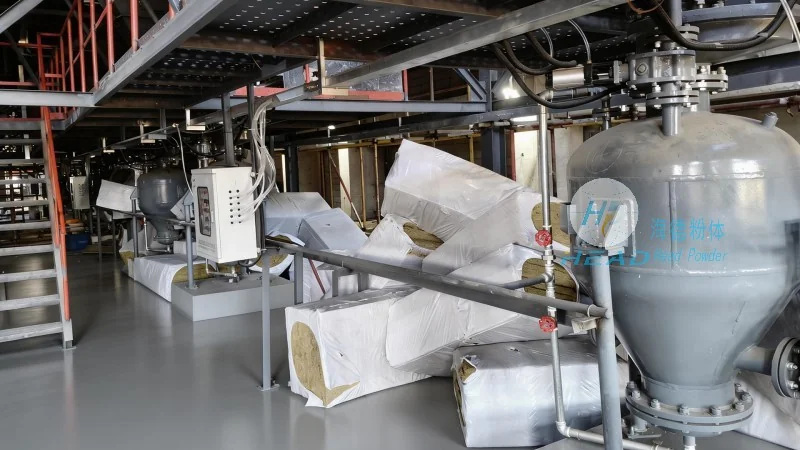
Pneumatic conveying systems are essential for efficiently transporting bulk materials like cement, sand, and gravel over short to medium distances. These systems use air to move materials through a pipeline, eliminating the need for mechanical components such as belts or buckets. The choice between positive pressure and negative pressure systems depends on factors like material characteristics, distance, and system complexity. Understanding the technical nuances of each mode is crucial for selecting the most suitable solution for specific industrial needs.
Positive pressure conveying systems operate by blowing air into the material stream, creating a pressure higher than the ambient air pressure. The material is drawn into the pipeline by the pressure differential and transported to the destination. This mode is commonly used for short to medium-distance conveying and is particularly effective for handling abrasive or corrosive materials. The system typically includes a blower, a hopper, and a discharge valve, with the air flow direction being from the blower to the material discharge point.
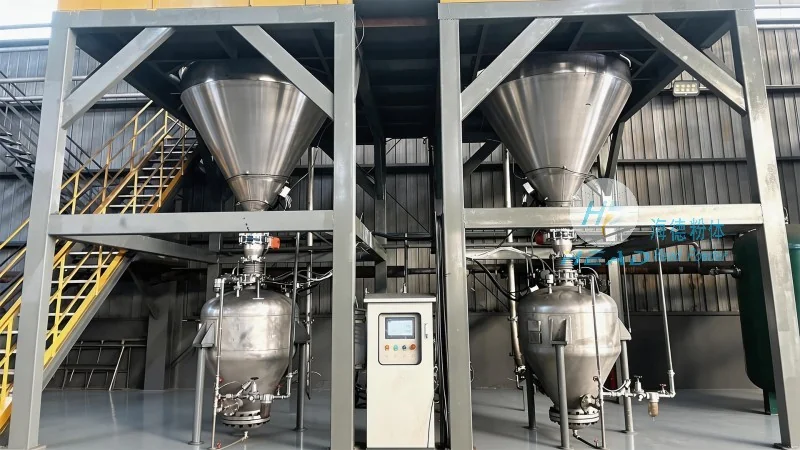
Key advantages of positive pressure systems include high conveying capacity, the ability to handle a wide range of materials, and reduced risk of material degradation due to lower air velocities. However, they may require more robust equipment to withstand higher pressures and are generally less suitable for long-distance applications due to energy efficiency concerns.
Negative pressure conveying systems, also known as suction systems, operate by creating a vacuum in the pipeline, drawing material into the system from the source. The material is then transported to the discharge point, where the air is filtered and returned to the atmosphere. This mode is ideal for applications requiring clean air handling, as the material is not exposed to high-pressure air streams.
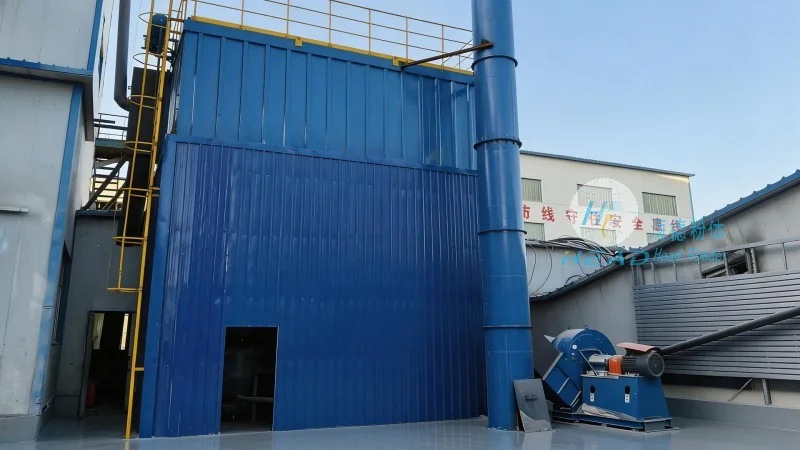
One of the primary benefits of negative pressure systems is their ability to handle fine powders and prevent dust contamination, making them suitable for environments where air quality is a concern. They are also more energy-efficient for long-distance conveying compared to positive pressure systems, as the air is only used to create a vacuum rather than pushing material through the entire pipeline.
When comparing the two modes, several factors must be considered to determine the optimal system for a given application. Positive pressure systems generally offer higher conveying rates and are better suited for abrasive materials, while negative pressure systems excel in long-distance and clean-air applications. The choice also depends on the material's density, moisture content, and particle size. For example, cement, which is fine and dusty, may be better transported using a negative pressure system to minimize dust emissions. In contrast, larger aggregate particles might benefit from the higher pressure and capacity of a positive pressure system.
From an energy perspective, negative pressure systems are more efficient for long distances, as the blower only needs to generate enough vacuum to draw the material, whereas positive pressure systems require sufficient pressure to push the material through the entire pipeline. However, positive pressure systems may be more cost-effective for short distances due to lower initial equipment costs.
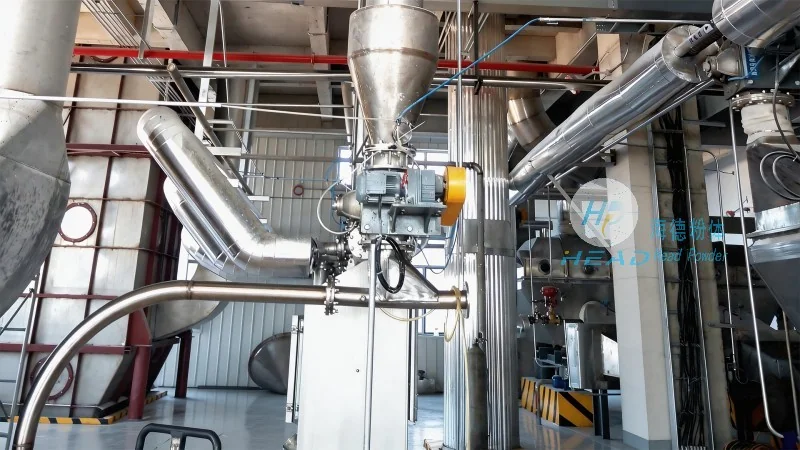
HeadPowder's expertise in both positive and negative pressure systems allows them to design customized solutions tailored to specific industrial requirements. For instance, in cement production facilities, a combination of both modes might be used: positive pressure for short-distance transport from storage silos to mixing plants, and negative pressure for long-distance transport of fine powders to distribution centers. The company's engineering team evaluates factors such as material properties, conveying distance, and environmental regulations to recommend the most efficient and cost-effective system.
Additionally, modern pneumatic conveying systems incorporate advanced controls and monitoring technologies to optimize performance and reduce operational costs. These systems can adjust air pressure and flow rates in real-time based on material feed rates, ensuring consistent conveying efficiency and minimizing energy waste. HeadPowder's commitment to innovation ensures that their systems meet the evolving needs of the cement and aggregate industries, providing reliable and sustainable material handling solutions.

 Shandong Headpowder Engineering Co., Ltd.
 156-6277-7102(Manager Zhang)
  0531-83386006
  Zhangqiu District, Jinan City, Shandong Province, China
telephone
WeChatconsult
top