

What is a Tonne Bag Dust-Free Feeding Station and Powder Pneumatic Conveying Line? And What Are Its
For industries dealing with bulk powders, the efficient and safe handling of raw materials is crucial. A key solution in this domain is the tonne bag dust-free feeding station paired with a powder pneumatic conveying line. This system is engineered to streamline the process of receiving, storing, and transporting bulk powders while maintaining a clean and controlled environment. Let's delve into what this system entails and its underlying design principles.
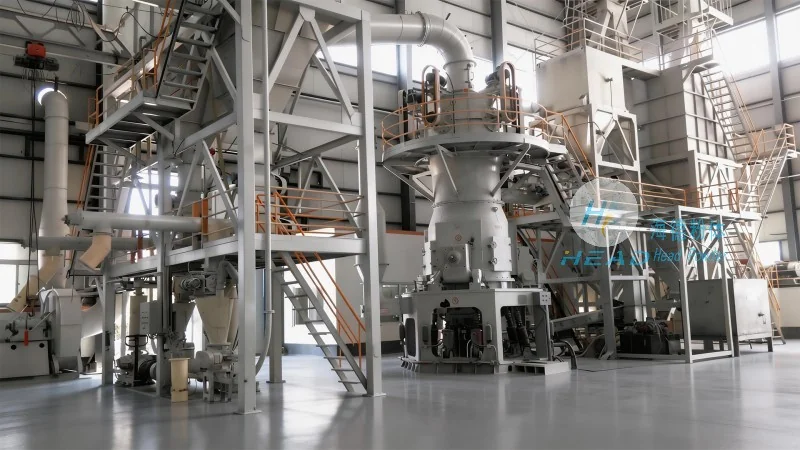
What is a Tonne Bag Dust-Free Feeding Station?
A tonne bag, also known as a super sack or bulk bag, is a large flexible container used for storing and transporting bulk materials. The dust-free feeding station is a specialized setup designed to handle these tonne bags without generating dust or contamination. It typically includes components such as a bag opening mechanism, a hopper for material transfer, and dust collection systems. The primary goal is to ensure that the material is transferred from the tonne bag into the processing system in a controlled manner, minimizing the risk of dust exposure and product loss.
Powder Pneumatic Conveying Line: The Core of Material Transport
The powder pneumatic conveying line is the backbone of the system, responsible for transporting the bulk powder from the feeding station to the processing equipment or storage areas. This technology utilizes air to move the powder particles through a pipeline. There are two main types of pneumatic conveying: pressure and vacuum systems. Pressure systems use compressed air to push the material, while vacuum systems use a vacuum to pull the material. The choice of system depends on factors such as the material's properties, the distance to be conveyed, and the required flow rate. The conveying line is typically equipped with filters, regulators, and valves to control the air flow and ensure efficient and reliable transport.
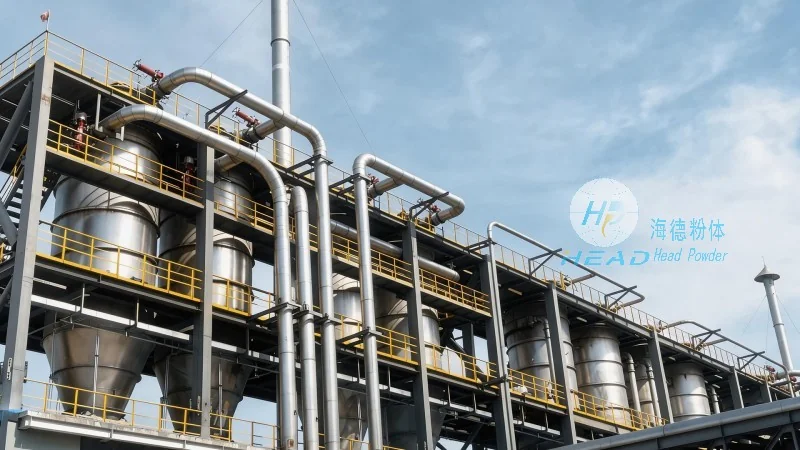
Design Principles of the Integrated System
The design of a tonne bag dust-free feeding station and powder pneumatic conveying line follows several key principles to ensure optimal performance and safety. First, dust containment is paramount. The system incorporates sealed hoppers, bag opening mechanisms, and dust collection systems to prevent dust from escaping into the environment. This not only protects the health of workers but also maintains product quality by preventing contamination. Second, material flow control is critical. The system includes flow meters, valves, and pressure sensors to regulate the flow rate and prevent blockages or overloading of the conveying line. Third, energy efficiency is considered. The design optimizes air usage and minimizes energy consumption through efficient components and system sizing. Fourth, durability and maintenance are addressed by using high-quality materials and components that can withstand the abrasive nature of bulk powders and the demands of continuous operation.
Key Components and Their Functions
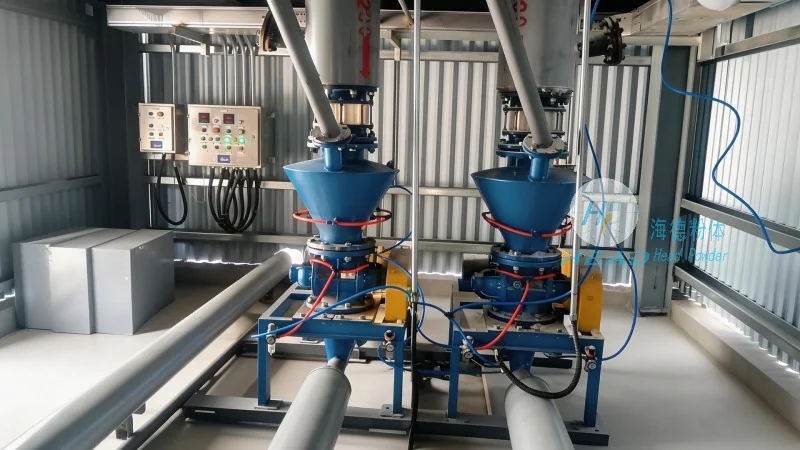
Several key components make up the tonne bag dust-free feeding station and powder pneumatic conveying line. The tonne bag itself is a flexible container made from woven fabric, designed to hold large quantities of material. The bag opening system, often a spout or a discharge valve, allows the material to be released into the hopper. The hopper is a container that stores the material and feeds it into the conveying line. The dust collection system, which may include a filter or a cyclone, captures any dust generated during the bag opening or material transfer process. The conveying line, as mentioned earlier, transports the material using air. The receiving equipment, such as a silo or a mixer, is the final destination for the conveyed powder. Each component plays a vital role in ensuring the smooth operation of the entire system.
Applications and Industries
This integrated system is widely used in various industries where bulk powders are handled. These include food and beverage processing, pharmaceuticals, chemicals, and minerals. In the food industry, for example, the system is used to handle ingredients like flour, sugar, and spices, ensuring that the process is clean and hygienic. In the pharmaceutical industry, the dust-free design is crucial to maintain product purity and prevent contamination. In the chemical industry, the system is used to handle various powders, such as fertilizers or pigments, while ensuring safety and efficiency. The versatility of the system makes it suitable for a wide range of applications where bulk powder handling is required.
Advantages of the Tonne Bag Dust-Free Feeding Station and Powder Pneumatic Conveying Line
Implementing this system offers several advantages for industries dealing with bulk powders. First, it improves safety by reducing dust exposure and minimizing the risk of dust explosions. Second, it enhances product quality by preventing contamination and maintaining the integrity of the material. Third, it increases efficiency by streamlining the material handling process and reducing downtime. Fourth, it provides cost savings by minimizing material loss and reducing the need for manual handling. Fifth, it offers flexibility in terms of material handling, as it can be adapted to handle different types of powders and varying flow rates. These advantages make the system a valuable investment for any industry dealing with bulk powders.