With more than 10‑year industry experience, Shandong Headpowder delivers full‑service pneumatic‑conveying systems and blowers, undertaking nationwide turn‑key powder‑handling projects.
HeadPowder, a leading enterprise in the field of powder processing technology, specializes in the design, manufacturing, and application of advanced pneumatic conveying systems, particularly for nanometer calcium carbonate. This article provides a comprehensive classification and analysis of these systems, highlighting their technical characteristics, operational principles, and practical applications in various industrial sectors.
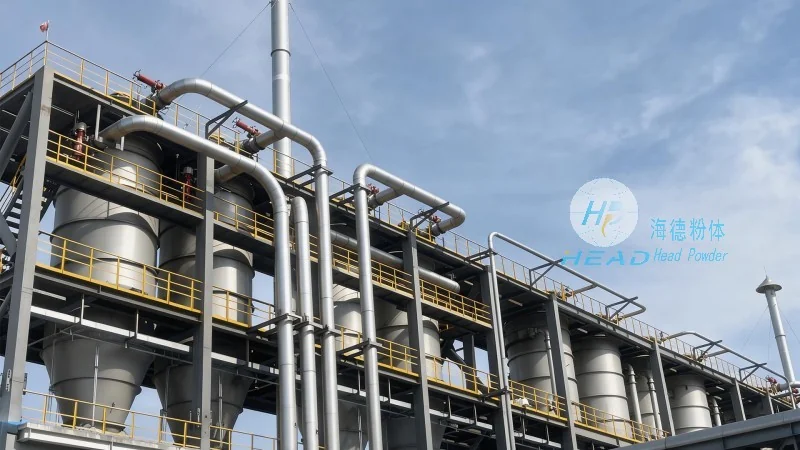
HeadPowder Engineering Co., Ltd., headquartered in Shandong, China, has been at the forefront of developing innovative solutions for the efficient handling of fine powders. Among their core products, the nanometer calcium carbonate pneumatic conveying system stands out due to its precision, reliability, and adaptability to modern industrial demands. This system is engineered to transport nanometer calcium carbonate, a critical raw material in many industries, with minimal loss and maximum efficiency.
There are primarily two types of pneumatic conveying systems used for nanometer calcium carbonate: the positive pressure system and the negative pressure system. The positive pressure system, also known as the pressure type, operates by blowing air into the conveying line, creating a pressure higher than the ambient air pressure. This method is suitable for long-distance and high-capacity transport, as it can handle larger volumes and maintain consistent flow rates. The negative pressure system, or vacuum type, works by creating a vacuum in the conveying line, drawing the material from the source to the destination. This system is ideal for applications requiring dust control and environmental compliance, as it prevents dust from escaping into the environment.
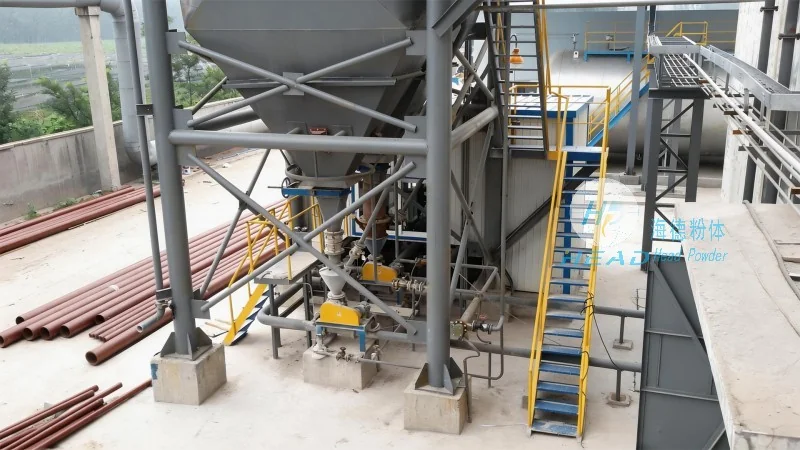
The nanometer calcium carbonate pneumatic conveying system from HeadPowder consists of several key components, each playing a crucial role in the overall operation. The primary components include the material hopper, which stores the nanometer calcium carbonate; the feeder, which controls the flow rate of the material; the conveying line, which transports the material; the air compressor or vacuum pump, which provides the necessary air pressure or vacuum; and the dust collector, which captures any fine particles that may escape during the process. The system is designed to ensure smooth and continuous operation, with features such as automatic control and monitoring to maintain optimal performance.
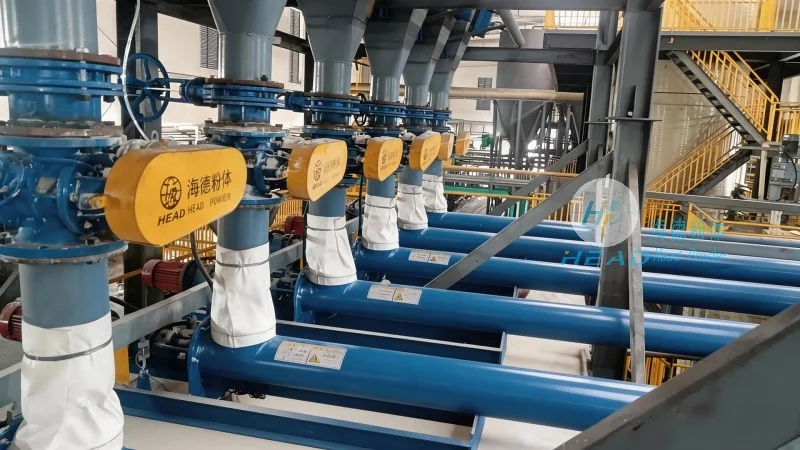
The nanometer calcium carbonate pneumatic conveying system is widely used in various industries, including plastics, rubber, paper, and coatings. In the plastics industry, it is used to add calcium carbonate as a filler to improve the mechanical properties and reduce the cost of plastic products. The system ensures that the filler is evenly distributed throughout the plastic material, resulting in a consistent product quality. In the rubber industry, the system is used to blend calcium carbonate with rubber compounds, enhancing the durability and flexibility of the final products. The paper industry utilizes the system to add calcium carbonate to paper pulp, improving the brightness and opacity of the paper. In the coatings industry, the system is used to incorporate calcium carbonate into paint formulations, increasing the coverage and durability of the coatings.
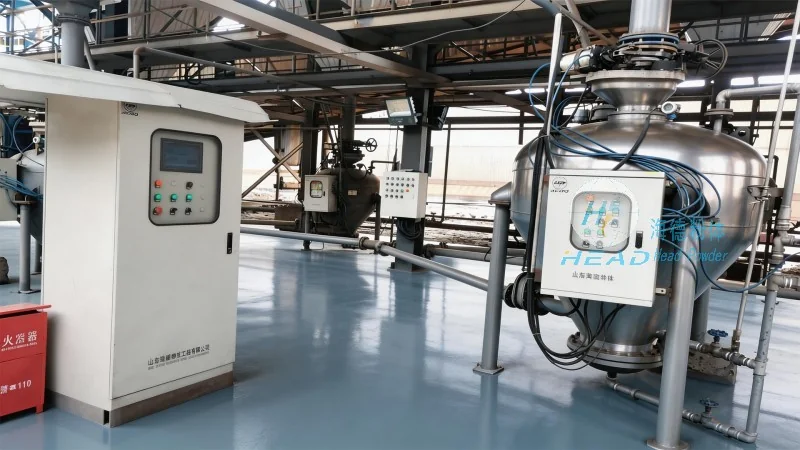
Compared to traditional conveying methods, such as belt conveyors or bucket elevators, the nanometer calcium carbonate pneumatic conveying system offers several advantages. First, it provides a dust-free and clean operation, which is essential for maintaining a safe and healthy working environment. Second, it offers high efficiency and low energy consumption, as the system uses compressed air or vacuum to transport the material, reducing the need for mechanical components. Third, it is flexible and adaptable, allowing for easy integration with existing production lines and modifications to accommodate different material types and processing requirements. Fourth, it ensures minimal material loss and contamination, which is critical for maintaining product quality and meeting regulatory standards.
HeadPowder Engineering Co., Ltd. continues to innovate and improve its nanometer calcium carbonate pneumatic conveying systems, providing customers with reliable and efficient solutions for their powder handling needs. The company's expertise in powder processing technology, combined with its commitment to quality and customer satisfaction, has established it as a trusted partner in the industry. As the demand for high-quality nanometer calcium carbonate products grows, the importance of efficient and reliable conveying systems will only increase, making HeadPowder's solutions more relevant than ever.

 Shandong Headpowder Engineering Co., Ltd.
 156-6277-7102(Manager Zhang)
  0531-83386006
  Zhangqiu District, Jinan City, Shandong Province, China
telephone
WeChatconsult
top