With more than 10‑year industry experience, Shandong Headpowder delivers full‑service pneumatic‑conveying systems and blowers, undertaking nationwide turn‑key powder‑handling projects.
For industrial operations dealing with zinc powder, efficient material handling is crucial. Pneumatic conveying systems offer a reliable solution, and understanding the nuances of zinc powder pneumatic conveying—including its design principles—can significantly enhance operational efficiency and safety. This article explores the fundamentals of zinc powder pneumatic conveying, detailing the core design principles that underpin such systems.
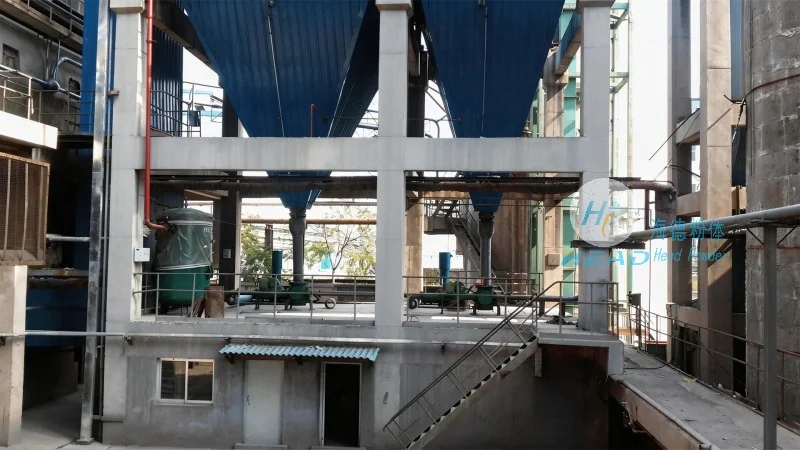
HeadPowder, a leading provider in the field, specializes in engineering solutions tailored to the unique challenges of handling zinc powder. With a focus on precision and durability, their expertise ensures that pneumatic conveying systems are optimized for performance, even in demanding industrial environments. Based in Shandong, China, HeadPowder leverages local manufacturing capabilities and industry knowledge to deliver high-quality equipment that meets the specific needs of clients across various sectors.
Pneumatic conveying systems transport bulk materials like zinc powder using air or gas as the conveying medium. Unlike traditional mechanical systems, which rely on belts or screws, pneumatic systems utilize pressure differentials to move material through pipelines. This method is particularly advantageous for zinc powder due to its fine particle size and potential for dust generation, as it minimizes the risk of material degradation and contamination.
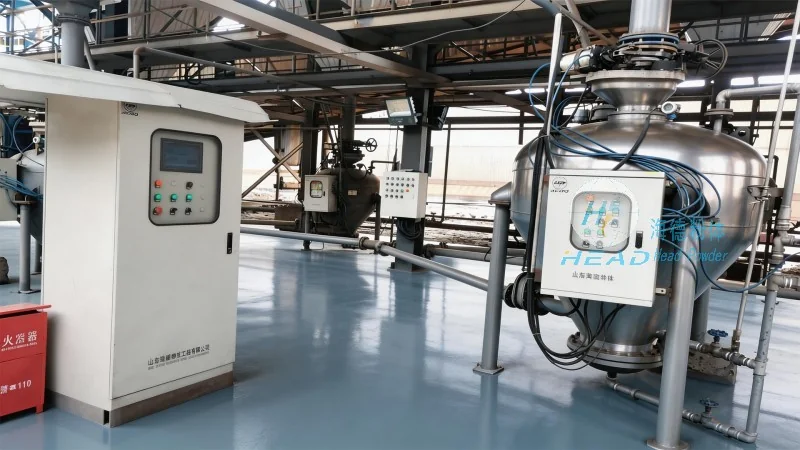
The design of zinc powder pneumatic conveying systems involves several critical principles that ensure optimal performance. First, the system must account for the material's properties, such as particle size, density, and flowability. These characteristics directly impact the selection of air velocity, pipeline diameter, and pressure levels. For zinc powder, which is typically fine and cohesive, higher air velocities may be required to prevent blockages and ensure smooth transport. Additionally, the system must consider the material's reactivity—zinc powder can be sensitive to moisture and oxidation, so the design must incorporate features that minimize exposure to these elements.
Key components of a zinc powder pneumatic conveying system include the feed hopper, air compressor, pipeline network, and discharge equipment. The feed hopper is designed to store and meter the zinc powder, ensuring a consistent flow into the system. The air compressor generates the necessary pressure to move the material through the pipeline. The pipeline network, often made of materials like stainless steel or plastic, must be robust enough to withstand the pressure and potential abrasion from the zinc powder. The discharge equipment, such as a rotary valve or cyclone separator, controls the release of the material at the destination point, preventing backflow and maintaining system integrity.
Operational considerations play a vital role in the effectiveness of zinc powder pneumatic conveying. Proper maintenance of the air compressor and pipeline is essential to prevent wear and tear, which can lead to inefficiencies or system failures. Regular cleaning of the pipeline and components is also necessary to avoid buildup of zinc powder, which can reduce airflow and increase pressure drop. Additionally, monitoring air pressure and flow rates allows operators to adjust the system in real-time, ensuring optimal performance under varying load conditions. For example, during high-demand periods, increasing the air velocity can maintain material flow, while reducing it during low-demand periods can conserve energy.
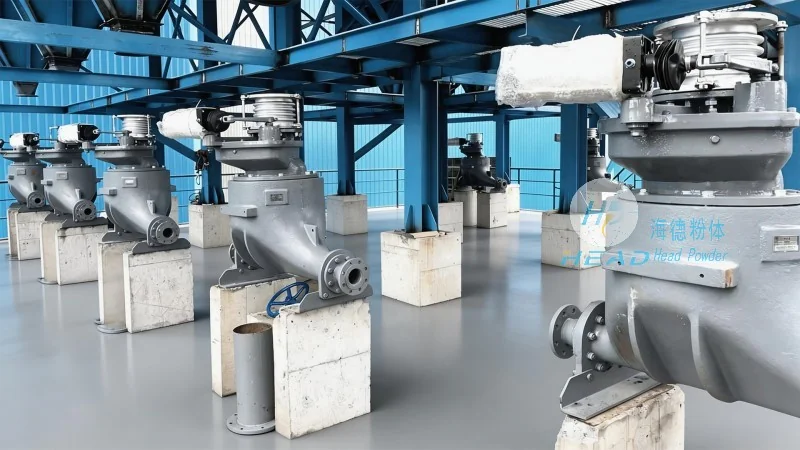
Zinc powder pneumatic conveying is widely used in industries such as metallurgy, chemical processing, and manufacturing. In metallurgy, it is used to transport zinc powder for galvanizing processes, where the material is applied to metal surfaces to prevent corrosion. In chemical processing, it facilitates the handling of zinc-based compounds, which are used in various applications, including battery production and pharmaceuticals. The benefits of this system include improved safety, as it eliminates the need for manual handling of zinc powder, reducing the risk of dust exposure and accidents. Additionally, it enhances productivity by enabling continuous, automated material transport, which is faster and more reliable than traditional methods.
In conclusion, zinc powder pneumatic conveying is a sophisticated system that relies on careful design and engineering to handle fine, potentially reactive materials like zinc powder. The principles outlined above—such as material property consideration, component selection, and operational optimization—are critical to ensuring the system operates efficiently and safely. Companies like Shandong HeadPowder Engineering Co., Ltd. play a vital role in developing and implementing these systems, providing industrial clients with reliable solutions that meet their specific needs. By understanding and applying these design principles, industries can enhance their material handling processes, reduce costs, and improve overall operational performance.

 Shandong Headpowder Engineering Co., Ltd.
 156-6277-7102(Manager Zhang)
  0531-83386006
  Zhangqiu District, Jinan City, Shandong Province, China
telephone
WeChatconsult
top