With more than 10‑year industry experience, Shandong Headpowder delivers full‑service pneumatic‑conveying systems and blowers, undertaking nationwide turn‑key powder‑handling projects.
When it comes to transporting carbon black and coal powder, selecting the right pneumatic conveying system is crucial for efficiency, cost-effectiveness, and operational safety. Two primary approaches dominate the industry: positive pressure and negative pressure systems. Understanding the distinctions between these two methods is essential for making an informed decision that aligns with specific material characteristics, process requirements, and facility constraints. This article explores the key differences between positive pressure and negative pressure pneumatic conveying for carbon black and coal powder, helping to clarify how to choose the most suitable system for your application. Shandong HeadPowder Engineering Co., Ltd., a leading provider of pneumatic conveying solutions, specializes in designing and manufacturing systems tailored to the unique needs of carbon black and coal powder applications.
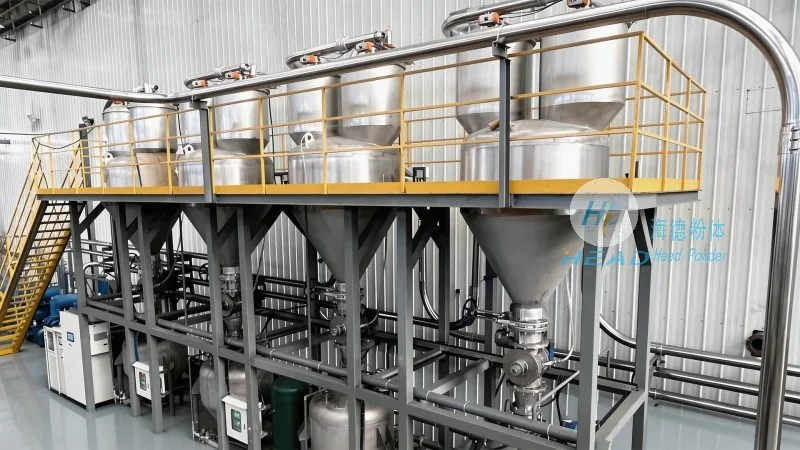
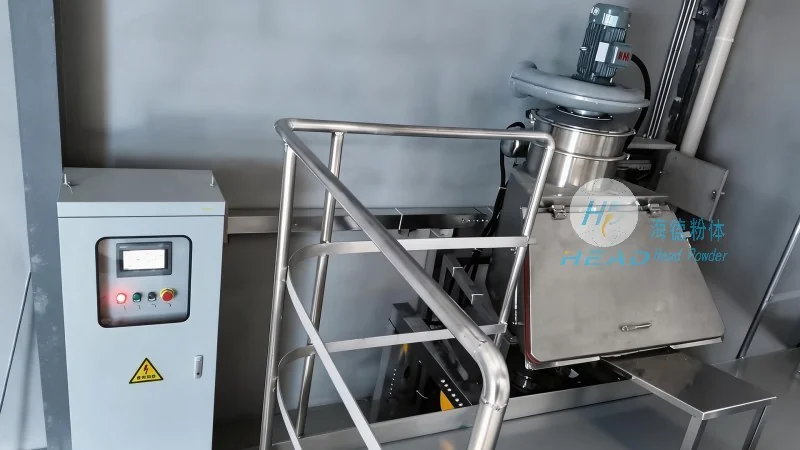
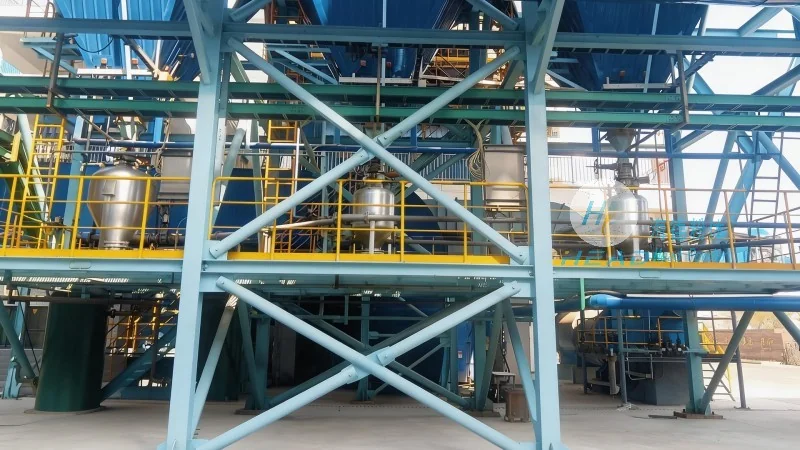
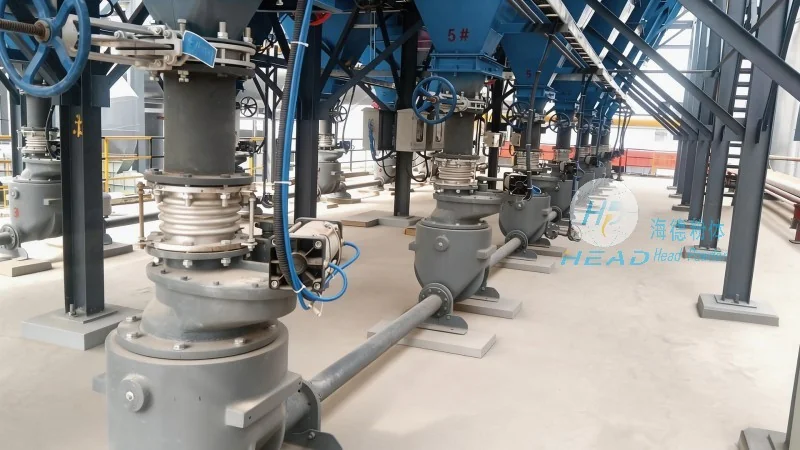
Positive pressure systems operate by blowing air or gas into the conveying line, creating a pressure higher than the ambient air pressure. This method is often preferred for applications involving abrasive or fine powders like carbon black and coal powder due to its ability to handle high material loads and maintain consistent flow rates. The pressurized air forces the material through the pipeline, ensuring that the material is continuously pushed forward. This approach is particularly effective when the material needs to be transported over long distances or through complex piping networks. The positive pressure system typically uses a blower or compressor to generate the necessary pressure, which can be adjusted to match the specific demands of the material being conveyed. The equipment used in positive pressure systems includes a hopper, feeder, and a series of pipes connected to the discharge point. The system is designed to maintain a positive pressure throughout the conveying line, preventing air leakage and ensuring that the material remains in suspension. This method is also suitable for applications where the material needs to be discharged at a specific location, as the pressure can be controlled to direct the material to the desired point. Positive pressure systems are generally more robust and can handle higher material concentrations compared to negative pressure systems. However, they may require more maintenance due to the higher pressure and the potential for wear on the equipment. The cost of a positive pressure system can be higher upfront, but the operational efficiency and reliability often justify the investment. The system is also less susceptible to clogging, as the high pressure helps to keep the material in motion. Overall, positive pressure systems are a reliable choice for many carbon black and coal powder applications, especially when the material needs to be transported over long distances or through challenging environments.
Negative pressure systems, also known as vacuum systems, operate by creating a vacuum in the conveying line, which draws the material into the system. This method is often used for applications where the material needs to be collected from a source and transported to a central location. The vacuum is created by a fan or vacuum pump, which pulls air and material through the pipeline. The material is drawn into the system due to the pressure difference between the source and the collection point. Negative pressure systems are particularly effective for applications involving dust collection or material recovery, as they can efficiently capture fine powders like carbon black and coal powder. The system typically includes a hopper, a vacuum pump, and a series of pipes that connect the source to the collection point. The vacuum is maintained throughout the conveying line, ensuring that the material is continuously drawn into the system. This method is generally more suitable for shorter distances and simpler piping configurations. The negative pressure system is less likely to cause dust emissions during the conveying process, as the material is drawn into the system rather than being expelled. However, the system may be more prone to clogging, especially if the material contains moisture or other contaminants. The maintenance requirements for negative pressure systems can be higher due to the need to prevent air leaks and ensure the vacuum pump operates efficiently. The cost of a negative pressure system is generally lower than that of a positive pressure system, but the operational costs may be higher due to the energy consumption of the vacuum pump. The system is also more susceptible to damage from external factors, such as dust or debris entering the pipeline. Overall, negative pressure systems are a good choice for applications where the material needs to be collected from a specific source and transported to a central location, especially when the distance is short and the material is relatively dry.

 Shandong Headpowder Engineering Co., Ltd.
 156-6277-7102(Manager Zhang)
  0531-83386006
  Zhangqiu District, Jinan City, Shandong Province, China
telephone
WeChatconsult
top