With more than 10‑year industry experience, Shandong Headpowder delivers full‑service pneumatic‑conveying systems and blowers, undertaking nationwide turn‑key powder‑handling projects.
Pneumatic conveying systems have become a cornerstone in the processing and transportation of cassava, a staple crop in many regions. These systems utilize air to move bulk materials like cassava through pipelines, offering advantages such as reduced labor costs, improved hygiene, and the ability to transport materials over long distances. However, the nature of cassava—its moisture content, particle size, and density—can make it susceptible to causing blockages in the conveying lines. Addressing this challenge requires a thorough understanding of system design and operational best practices, and companies like Shandong HeadPowder Engineering Co., Ltd. specialize in providing tailored solutions for cassava handling systems.
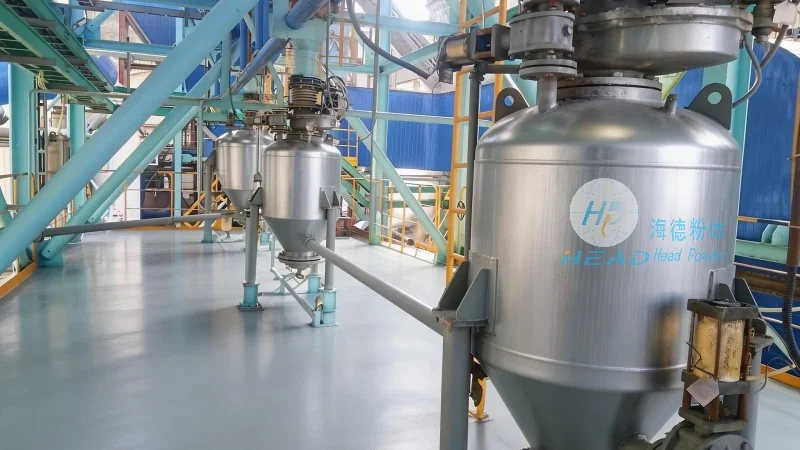
Before delving into prevention strategies, it's crucial to identify the primary causes of blockages in pneumatic conveying systems for cassava. Several factors contribute to this issue, including:
1. Agglomeration and Caking: Cassava particles may stick together due to moisture, leading to the formation of clumps that can obstruct the pipeline. This is particularly problematic when the material is wet or has high starch content.
2. Excessive Moisture Content: High moisture levels in cassava can cause the material to become sticky, increasing the likelihood of blockages as it travels through the system.
3. Inappropriate Air Flow Rates: Both insufficient and excessive air velocities can lead to blockages. Insufficient air flow may not provide enough force to move the material, while excessive flow can cause turbulence and particle separation, leading to uneven material transport.
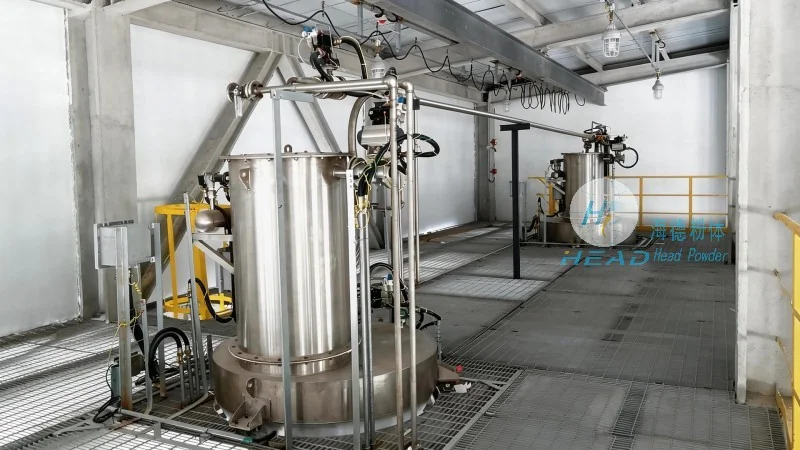
4. Incorrect Pipeline Sizing: Using pipelines that are too small for the volume and type of cassava being conveyed can create pressure drops and increase the risk of blockages.
Designing a pneumatic conveying system for cassava that minimizes the risk of blockages involves several critical parameters. These parameters are tailored to the specific characteristics of the material and the operational requirements of the facility. The following are key design considerations:
1. Material Properties Analysis: A thorough analysis of cassava's moisture content, particle size distribution, and bulk density is the first step. This data helps in selecting the appropriate conveying method (e.g., dilute-phase or dense-phase) and determining the necessary air flow rates.
2. Air Velocity and Pressure: The air velocity within the pipeline must be sufficient to maintain the material in suspension but not so high as to cause excessive wear or particle degradation. For cassava, typical air velocities range from 20 to 30 meters per second in dilute-phase systems. The system pressure should be carefully controlled to ensure consistent material transport without causing pressure surges that could lead to blockages.
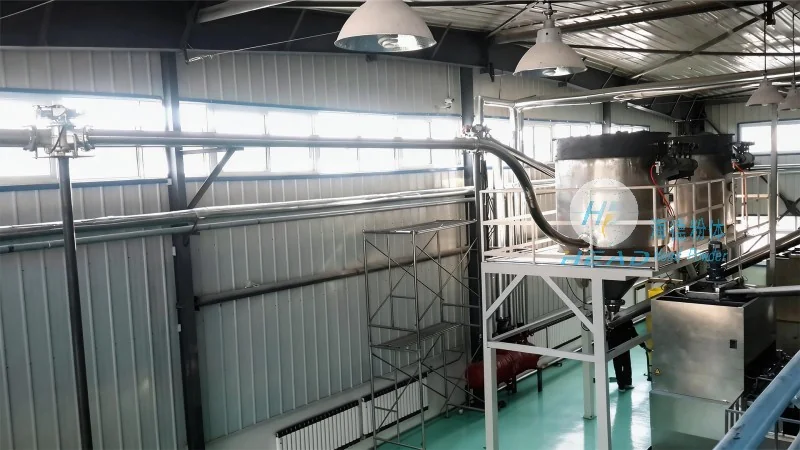
3. Pipeline Sizing and Layout: The diameter and length of the pipeline are critical. Larger diameters reduce friction losses and the risk of blockages, while proper incline angles (usually 1:100 or steeper) help prevent material settling. The layout should also include regular inspection points and access doors for maintenance.
4. Material Handling Equipment Selection: The choice of equipment, such as the feeder (e.g., rotary valve or screw feeder) and the conveying line, impacts system performance. A well-designed feeder ensures a consistent material flow, preventing surges that can cause blockages. Additionally, incorporating features like air locks or cyclones can help separate air and material, reducing the risk of material buildup.
While proper design is essential, operational strategies also play a vital role in preventing pipeline blockages. Regular maintenance and monitoring are key components of an effective prevention plan. Here are some recommended measures:
1. Regular Cleaning and Maintenance: Scheduling routine cleaning of the pipeline and equipment can remove accumulated material and prevent the formation of clogs. This includes using cleaning tools like air guns or water jets, depending on the system design.
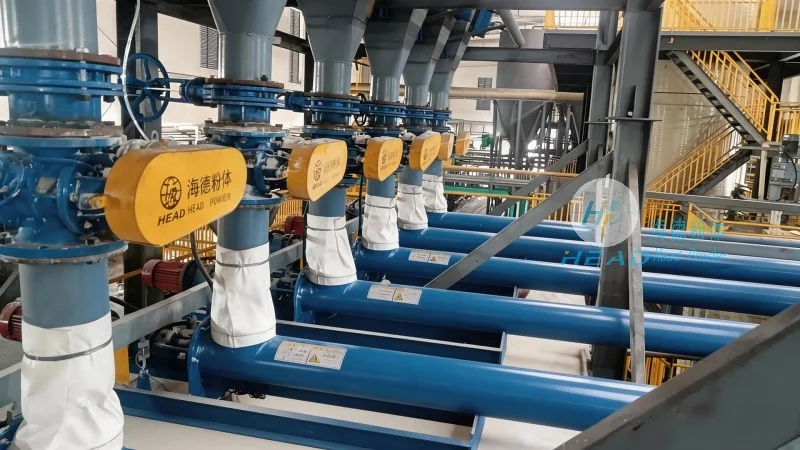
2. Monitoring System Performance: Implementing sensors to monitor air pressure, flow rates, and material levels allows for real-time detection of potential blockages. Alerts can be set up to notify operators when parameters deviate from normal operating ranges.
3. Proper Material Conditioning: Adjusting the moisture content of cassava before conveying can reduce the risk of agglomeration. This may involve drying or conditioning the material to achieve an optimal moisture level.
4. Training and Operator Expertise: Ensuring that operators are well-trained in system operation and maintenance is crucial. Knowledgeable personnel can quickly identify and address issues before they escalate into blockages.
Preventing pipeline blockages in pneumatic conveying systems for cassava requires a combination of careful system design and diligent operational management. By focusing on material properties, air flow parameters, pipeline layout, and equipment selection, along with regular maintenance and monitoring, operators can significantly reduce the risk of blockages and ensure smooth, efficient material transport. For those considering or maintaining such systems, consulting with experienced engineering firms like Shandong HeadPowder Engineering Co., Ltd. can provide valuable insights and tailored solutions to meet specific operational needs.

 Shandong Headpowder Engineering Co., Ltd.
 156-6277-7102(Manager Zhang)
  0531-83386006
  Zhangqiu District, Jinan City, Shandong Province, China
telephone
WeChatconsult
top