With more than 10‑year industry experience, Shandong Headpowder delivers full‑service pneumatic‑conveying systems and blowers, undertaking nationwide turn‑key powder‑handling projects.
For agricultural and industrial applications, efficient material handling is crucial, especially when dealing with bulk materials like grass or forage. Pneumatic conveying systems offer a reliable and versatile solution for transporting these materials with minimal loss and contamination. This article provides an overview of grass material pneumatic conveying, detailing the working principles and benefits of such systems, while highlighting the expertise of Shandong HeadPowder Engineering Co., Ltd., a leading provider in the field.
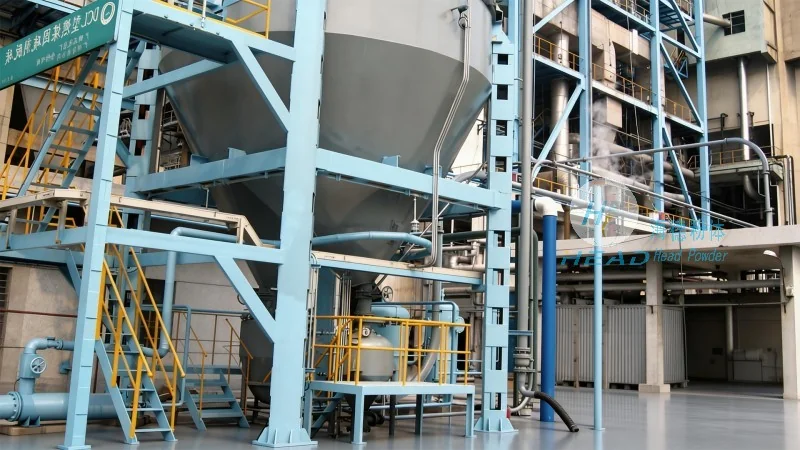
HeadPowder, a prominent name in material handling technology, specializes in designing and manufacturing advanced pneumatic conveying solutions tailored to the unique needs of agricultural operations. With a strong presence in China, particularly in Shandong province, the company has established itself as a trusted partner for businesses seeking to optimize their material transport processes. The company’s commitment to innovation and quality ensures that their systems meet the highest standards of performance and durability.
At the core of any pneumatic conveying system is the ability to transport bulk materials through a pipeline using air or gas as the conveying medium. The system typically consists of several key components, including a feeder, a conveyor line, a separator, and a receiver. The process begins when the material is fed into the system, often through a hopper or a rotary valve, which controls the flow rate. As the material enters the conveyor line, it is entrained by the air flow, creating a mixture of particles and air that travels through the pipeline to the destination point.
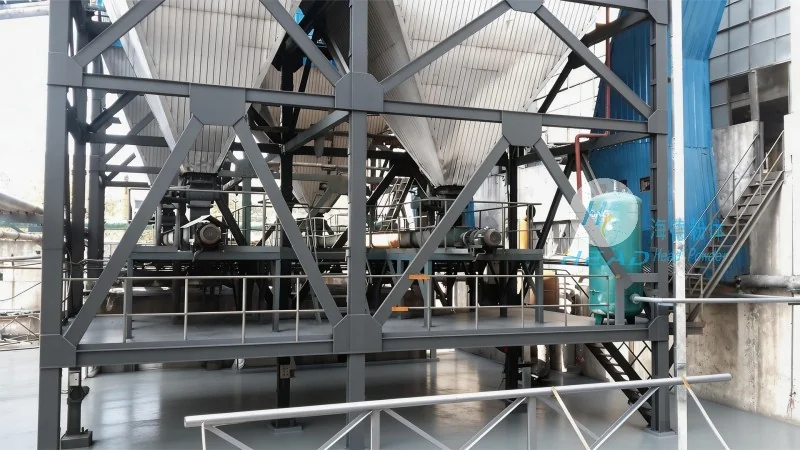
The working principle of pneumatic conveying for grass materials involves several stages. First, the grass or forage is prepared and fed into the system. The feeder ensures a consistent and controlled flow, preventing blockages and maintaining system efficiency. The air is then introduced into the conveyor line, creating a low-pressure or high-pressure environment depending on the system design. In low-pressure systems, the air flows from the receiver to the feeder, pulling the material along with it. In high-pressure systems, the air is forced from the feeder to the receiver, pushing the material through the pipeline. The choice between low and high pressure depends on factors such as material characteristics, distance, and system complexity.
One of the key advantages of pneumatic conveying for grass materials is its ability to handle delicate or fragile materials without causing damage. Unlike mechanical conveyors, which may crush or break the material, pneumatic systems use air to gently transport the particles. This is particularly important for forage, as maintaining the integrity of the material is essential for its nutritional value and usability in animal feed. Additionally, pneumatic conveying systems are highly flexible, allowing for changes in material flow rates and destinations without significant modifications to the system.
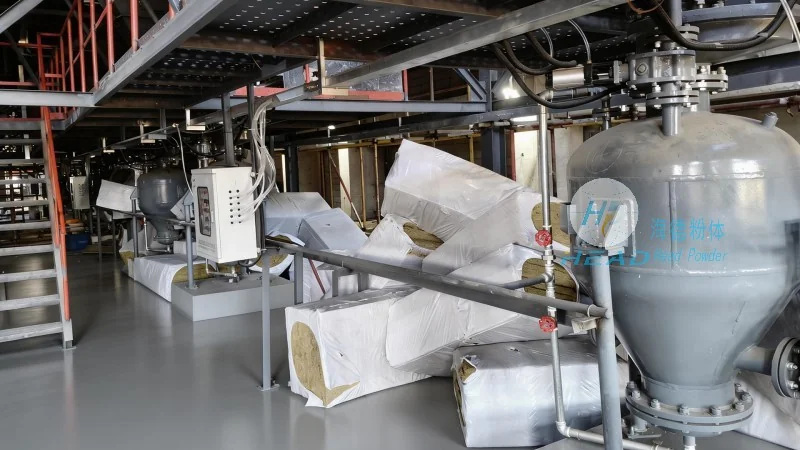
Another significant benefit is the reduced risk of contamination. Since the material is transported in a closed pipeline, it is protected from external elements such as dust, moisture, and pests. This is critical for maintaining the quality of the grass or forage, especially when it is intended for human or animal consumption. The closed system also minimizes the risk of cross-contamination between different batches of material, ensuring that each load remains pure and uncontaminated.
Efficiency and cost-effectiveness are also major considerations when implementing pneumatic conveying systems. By automating the material handling process, businesses can reduce labor costs and increase productivity. The systems are designed to operate continuously, minimizing downtime and maximizing throughput. Additionally, the reduced need for manual handling and the lower maintenance requirements compared to traditional systems contribute to long-term cost savings.
Shandong HeadPowder Engineering Co., Ltd. offers a range of pneumatic conveying solutions specifically designed for grass material handling. Their expertise lies in customizing systems to meet the specific requirements of each client, whether it's for small-scale operations or large industrial facilities. The company's engineers work closely with clients to understand their material characteristics, processing needs, and operational constraints, ensuring that the final system is optimized for performance and reliability.
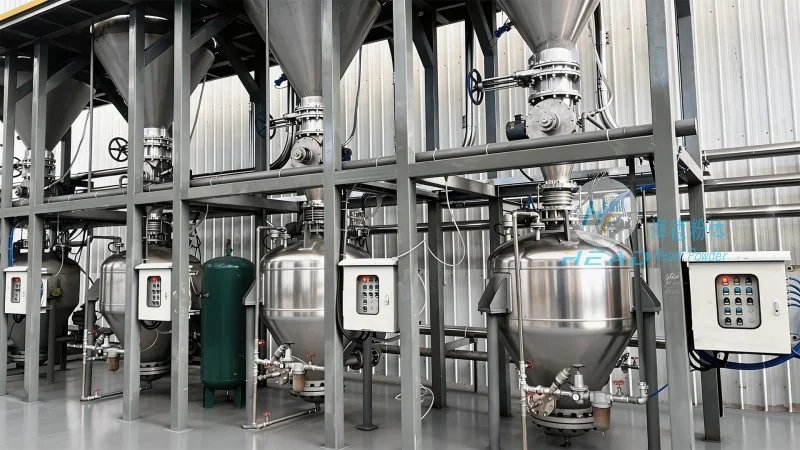
When considering a pneumatic conveying system for grass materials, it is essential to evaluate factors such as material properties, conveying distance, and system layout. The right system design can significantly impact the overall efficiency and effectiveness of the operation. HeadPowder's team of experts provides comprehensive consultation and support, helping clients make informed decisions about their material handling solutions.
In conclusion, pneumatic conveying systems offer a superior solution for transporting grass and other bulk materials, combining efficiency, flexibility, and minimal contamination. With the expertise of companies like Shandong HeadPowder Engineering Co., Ltd., businesses can implement reliable and effective systems that meet their specific needs. By understanding the working principles and benefits of such systems, organizations can enhance their material handling processes and achieve greater operational success.

 Shandong Headpowder Engineering Co., Ltd.
 156-6277-7102(Manager Zhang)
  0531-83386006
  Zhangqiu District, Jinan City, Shandong Province, China
telephone
WeChatconsult
top