

How to Choose the Right Pneumatic Conveying System for Your Chromium(III) Oxide Handling Process?
Chromium(III) oxide, also known as chromium sesquioxide, is a critical material in various industrial applications, including pigments, catalysts, and corrosion-resistant coatings. The efficient and safe handling of this material is paramount, and selecting the right pneumatic conveying system is a key decision for any processing facility. This article provides a comprehensive guide to help you choose the most suitable pneumatic conveying system for your chromium(III) oxide handling process, with insights from Shandong HeadPowder Engineering Co., Ltd., a leading provider of material handling solutions based in Shandong, China.
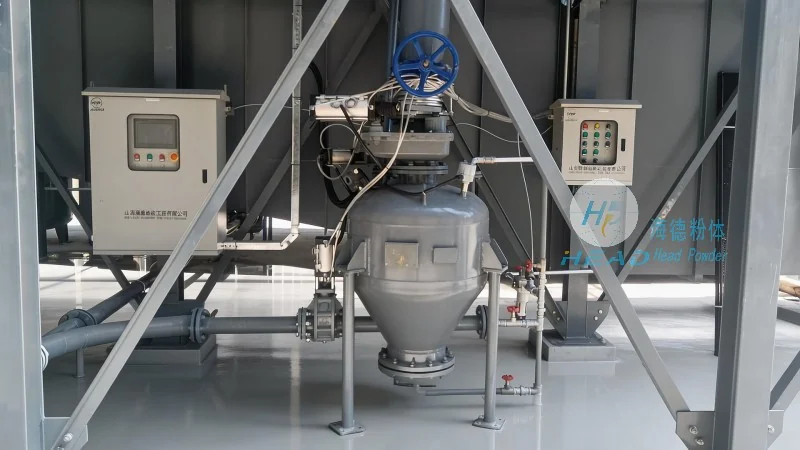
Understanding the Material Characteristics of Chromium(III) Oxide
Chromium(III) oxide, chemically represented as Cr₂O₃, is a greenish to brownish powder with a Mohs hardness of approximately 6, making it relatively abrasive. Its particle size typically ranges from 1 to 100 microns, with a median diameter often around 20-30 microns. The material's flowability is moderate, but it can become cohesive under certain conditions, such as high humidity or temperature fluctuations. These characteristics mean that the conveying system must be designed to prevent material buildup, ensure consistent flow, and maintain the material's integrity. For instance, if the material is prone to agglomeration, a system with high-velocity air and appropriate in-line mixers or vibrators may be necessary to keep particles suspended and prevent blockages. Additionally, the material's chemical stability is important, as chromium(III) oxide is not reactive under normal conditions but can be affected by moisture, which may lead to caking or changes in particle size. Therefore, the system should maintain a dry environment or use drying mechanisms to ensure stable operation.
Key Factors to Consider When Choosing a Pneumatic Conveying System
Several critical factors must be evaluated when selecting a pneumatic conveying system for chromium(III) oxide. The first is the required conveying distance and throughput. For short distances and low flow rates, a simple venturi system may suffice. However, for longer distances or higher capacities, a positive pressure system with a blower or compressor might be more appropriate. The second factor is the material's dust control requirements. Chromium(III) oxide is a hazardous dust, and the system must comply with local regulations regarding dust collection and emissions. This often involves integrating a dust collection system or using sealed conveying lines to minimize exposure. Third, the system's energy efficiency and maintenance costs are important considerations. A well-designed system should balance performance with operational expenses, ensuring long-term cost-effectiveness. Other factors include the system's compatibility with existing infrastructure, space constraints, and the need for flexibility to accommodate future process changes.
Types of Pneumatic Conveying Systems for Chromium(III) Oxide
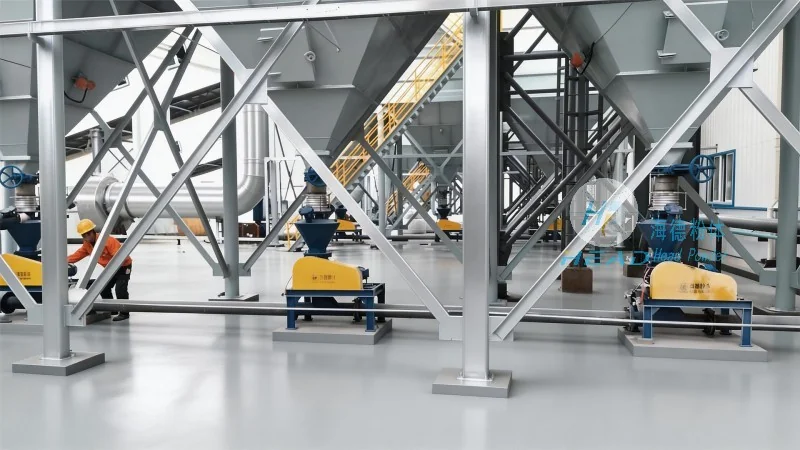
There are primarily two types of pneumatic conveying systems: positive pressure and negative pressure. Positive pressure systems use a blower or compressor to push air and material through the pipeline, making them suitable for long-distance and high-capacity applications. They are often preferred for abrasive materials like chromium(III) oxide because they can handle higher pressures and maintain consistent flow. The system typically includes a hopper, feeder, and pipeline with a blower at the discharge end. The air velocity in the pipeline is maintained above the material's terminal velocity to ensure proper suspension. Positive pressure systems are also easier to clean and maintain, as the material is pushed through the system rather than being drawn in. However, they require more power and may generate more noise compared to negative pressure systems.
Negative Pressure Systems: Advantages and Limitations
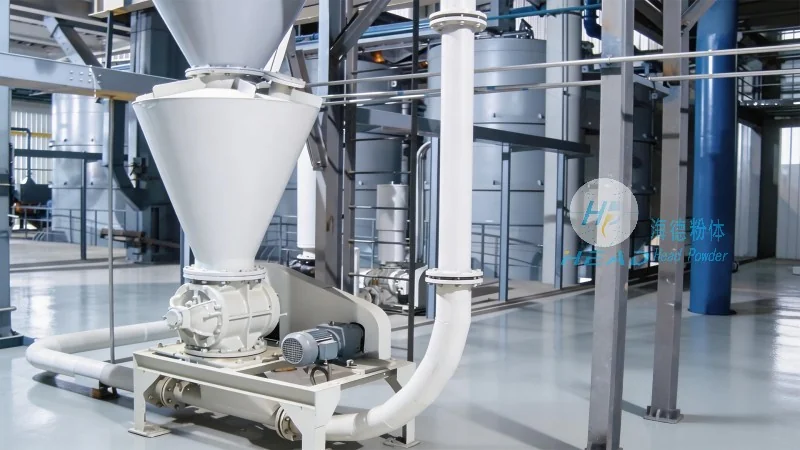
Negative pressure systems, also known as vacuum systems, use a vacuum pump to draw material into the system from a hopper or storage bin. These systems are ideal for short distances and low flow rates, typically up to 100 meters and 1-2 tons per hour. The main advantage of negative pressure systems is their lower cost and simplicity, as they do not require a blower or compressor. They are also quieter and produce less vibration. However, negative pressure systems have several limitations when handling abrasive materials like chromium(III) oxide. The vacuum pump must be capable of handling the material's dust load, which can lead to increased maintenance and potential air leakage. Additionally, the system is more susceptible to blockages and material loss due to the lower air velocity and the risk of air leakage from the pipeline. For longer distances or higher capacities, negative pressure systems may not be feasible due to the limitations in air flow and pressure.
Customization and Expertise from HeadPowder
Shandong HeadPowder Engineering Co., Ltd. specializes in designing and manufacturing customized pneumatic conveying systems tailored to the unique needs of each client. With years of experience in handling various powders, including chromium(III) oxide, HeadPowder's engineers conduct thorough assessments of the material's properties, process requirements, and site conditions. This ensures that the final system is optimized for efficiency, safety, and durability. For example, HeadPowder may recommend a combination of positive and negative pressure zones, or integrate advanced control systems to monitor pressure, flow, and temperature in real-time. The company's commitment to quality is reflected in its use of high-quality components, such as stainless steel or corrosion-resistant materials, to withstand the abrasive nature of chromium(III) oxide. Additionally, HeadPowder provides comprehensive support, including on-site installation, operator training, and after-sales service. This ensures that clients can operate the system efficiently and effectively, with minimal downtime and maintenance costs.