

What is a Mill Powder Pneumatic Conveying Line? And What Are Its Design Principles?
Mill powder pneumatic conveying systems are specialized industrial equipment designed to transport dry powders and granular materials through a network of pipes using air pressure. These systems are widely used in various industries, including food processing, pharmaceuticals, chemicals, and minerals, where the safe and efficient handling of bulk materials is critical. The core function of such a system is to move materials from a source, such as a storage silo or a production line, to a destination, like a processing unit or a packaging station, without the need for mechanical components like conveyor belts or buckets.
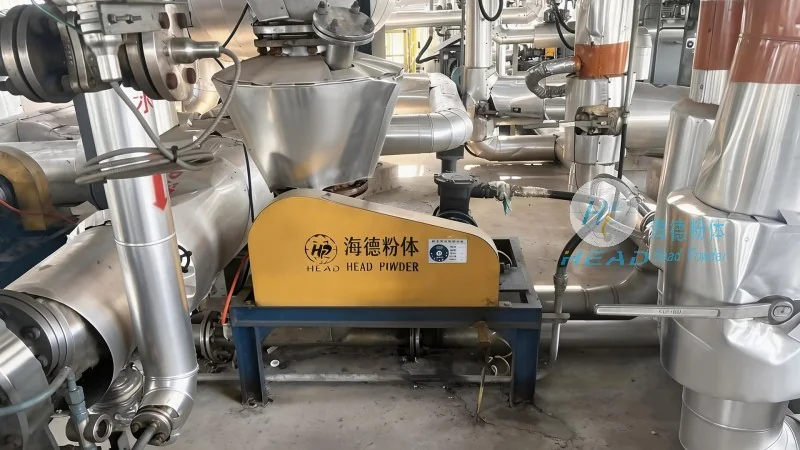
Introduction to Mill Powder Pneumatic Conveying Systems
At Shandong HeadPowder Engineering Co., Ltd., we specialize in the design, manufacturing, and installation of advanced pneumatic conveying systems tailored to meet the unique needs of our clients. Our company, commonly known as HeadPowder, has been a leading provider of bulk material handling solutions for over a decade, serving industries across China and beyond. With a strong commitment to quality and innovation, we have developed systems that ensure reliable, low-maintenance operation while adhering to strict safety and environmental standards.
Key Components of a Pneumatic Conveying System
A typical mill powder pneumatic conveying line consists of several essential components that work in tandem to achieve efficient material transport. The primary components include a material feed hopper, a conveying line (usually made of stainless steel or other corrosion-resistant materials), a vacuum or pressure blower, and a receiver or discharge hopper. The feed hopper is responsible for storing and feeding the powder into the system, while the blower generates the air pressure needed to move the material through the pipes. The conveying line itself is designed to handle the specific characteristics of the powder, such as particle size, density, and moisture content, to prevent blockages and ensure smooth flow.
Design Principles and Technical Considerations
The design of a pneumatic conveying system involves careful consideration of several factors to ensure optimal performance and longevity. One of the most critical principles is the selection of the appropriate conveying method—either pressure or vacuum. Pressure systems use compressed air to push the material forward, while vacuum systems use a suction effect to draw the material. The choice between these methods depends on the distance to be covered, the material's properties, and the system's overall efficiency. Additionally, the system's design must account for the material's flow characteristics, including its angle of repose and compressibility, to prevent arching or bridging in the hopper, which can lead to system downtime.
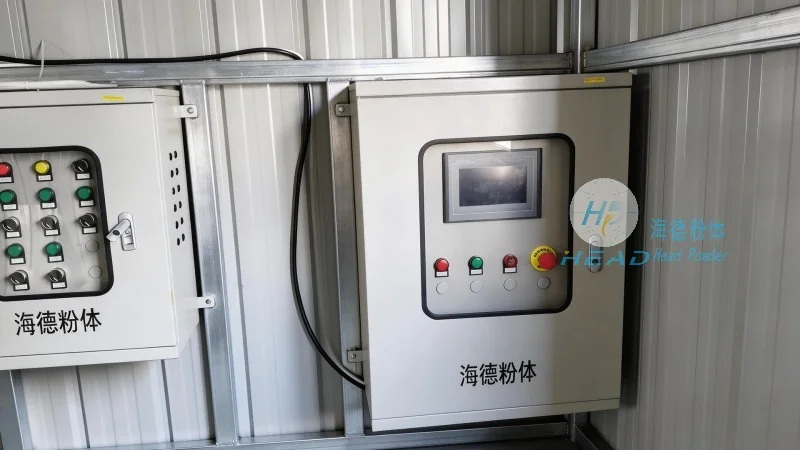
Advantages of Pneumatic Conveying Over Traditional Methods
Compared to traditional bulk material handling methods like belt conveyors or bucket elevators, pneumatic conveying offers several distinct advantages. First, it eliminates the need for physical contact between the material and the conveying equipment, reducing the risk of contamination and product degradation. This is particularly important in industries like food and pharmaceuticals, where product purity is paramount. Second, pneumatic systems are highly flexible, allowing for changes in the layout or direction of the conveying line without major structural modifications. Third, they are more energy-efficient in many cases, as the air pressure can be adjusted to match the material's flow requirements, minimizing energy waste. Finally, these systems are generally more compact and require less floor space, making them ideal for facilities with limited room for large equipment.
Application Examples and Industries Served
Mill powder pneumatic conveying systems are used in a wide range of applications across various industries. In the food industry, they are commonly employed to transport flour, sugar, and other dry ingredients from storage to production lines or packaging machines. In the pharmaceutical sector, they are used to handle active pharmaceutical ingredients (APIs) and excipients, ensuring that the materials remain sterile and free from contamination. The chemical industry utilizes these systems for transporting powders like cement, limestone, and other raw materials to processing units. Additionally, in the minerals and mining industry, pneumatic conveying is used to transport ore and other bulk materials from processing plants to storage or shipping facilities. Our company, HeadPowder, has successfully implemented such systems for clients in these industries, providing tailored solutions that meet their specific operational requirements.
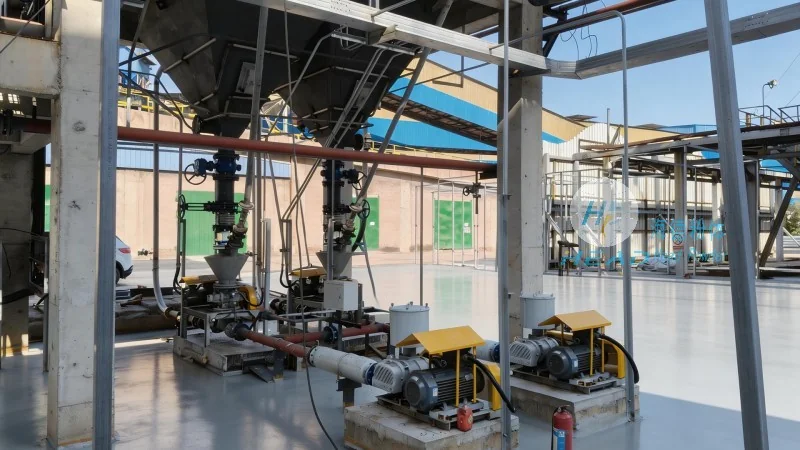
Customization and Integration with Existing Systems
At HeadPowder, we understand that each client's operational needs are unique. Therefore, we offer comprehensive customization options for our pneumatic conveying systems. This includes the ability to integrate the system with existing production lines, storage silos, or packaging equipment, ensuring seamless operation and minimal disruption to the client's workflow. Our engineering team works closely with clients to assess their current infrastructure, material characteristics, and production goals to design a system that is both efficient and cost-effective. We also provide installation and commissioning services to ensure that the system is set up correctly and operates at peak performance from day one.
Maintenance and Longevity of Pneumatic Conveying Systems
Proper maintenance is crucial to ensure the long-term reliability and efficiency of a pneumatic conveying system. Regular maintenance tasks include checking the blower's performance, inspecting the conveying line for any signs of wear or damage, and cleaning the feed and discharge hoppers to prevent material buildup. Our company provides detailed maintenance guidelines and can offer on-site support to help clients maintain their systems effectively. By following these guidelines, clients can extend the lifespan of their equipment and minimize downtime, ultimately reducing operational costs over time.
Conclusion
Mill powder pneumatic conveying systems are a vital component of modern bulk material handling, offering efficient, flexible, and low-maintenance solutions for industries worldwide. At Shandong HeadPowder Engineering Co., Ltd., we are committed to providing high-quality, customized systems that meet the diverse needs of our clients. With our expertise and dedication to excellence, we help businesses improve their operational efficiency, reduce costs, and enhance product quality. Whether you are in the food, pharmaceutical, chemical, or minerals industry, our pneumatic conveying solutions can help you achieve your material handling goals with confidence.