

Phosphate Calcium Powder Pneumatic Conveying Equipment: What It Is and Its Design Principles
Phosphate calcium powder pneumatic conveying equipment is a specialized system engineered to transport phosphate calcium powder through a pneumatic process. This technology is widely utilized in industrial applications where the efficient and safe handling of powders is critical. The equipment plays a vital role in sectors such as chemical manufacturing, food processing, and pharmaceuticals, ensuring that phosphate calcium powder is moved from one location to another without the need for traditional mechanical conveyors. Shandong HeadPowder Engineering Co., Ltd., a leading manufacturer based in China, specializes in designing and manufacturing such equipment to meet the diverse needs of industries worldwide.
Understanding the Role of Phosphate Calcium Powder Pneumatic Conveying Equipment
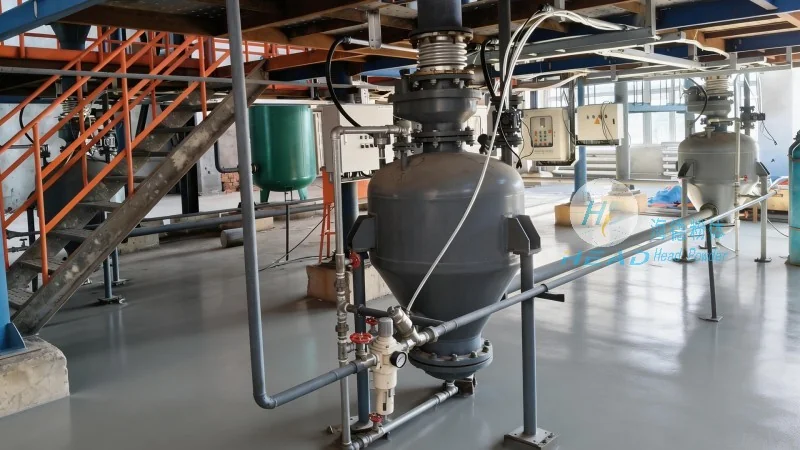
At its core, this equipment is designed to handle the unique properties of phosphate calcium powder, which can be abrasive, dusty, or have specific flow characteristics. The system typically consists of a hopper, a conveyor line, and a control unit that manages the air flow and powder movement. The hopper serves as the storage container, where the powder is loaded before being transferred. The conveyor line, often made of materials resistant to corrosion and wear, transports the powder through a pipeline using compressed air. This pneumatic method allows for a flexible and enclosed transport process, minimizing dust emissions and ensuring product integrity.
The Design Principles Behind Phosphate Calcium Powder Pneumatic Conveying Equipment
The design of phosphate calcium powder pneumatic conveying equipment is guided by several key principles to ensure optimal performance and reliability. One primary principle is the selection of appropriate materials for components in direct contact with the powder. Since phosphate calcium powder can be corrosive or abrasive, materials such as stainless steel or specialized alloys are commonly used for the hopper, pipelines, and valves. This choice helps prevent material degradation and maintain the equipment's longevity. Another critical design principle is the control of air flow and pressure. The system must maintain consistent air velocity to prevent powder settling or blockages in the pipeline. Advanced control systems are often integrated to monitor and adjust the air pressure, ensuring smooth and continuous operation. Additionally, the design considers the need for dust collection and filtration to comply with environmental regulations and maintain a safe working environment. The equipment is equipped with filters and cyclones that capture and separate any airborne particles, preventing contamination and protecting personnel.
Key Components and Their Functions in Phosphate Calcium Powder Pneumatic Conveying Systems
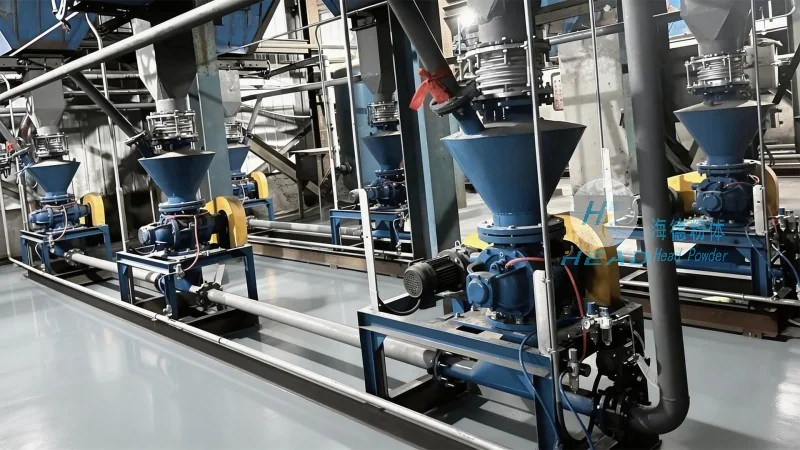
Several key components work together to make the phosphate calcium powder pneumatic conveying equipment function effectively. The hopper is the first component where the powder is stored. It is designed with a sloped bottom to facilitate the powder's flow into the conveyor line. The hopper may also include a feeder, such as a rotary valve or a screw feeder, which regulates the powder discharge rate. The feeder ensures a steady flow of powder into the system, preventing overloading or underloading of the conveyor line. The conveyor line itself is a crucial part of the system, typically made of flexible or rigid tubing. The choice between flexible and rigid lines depends on the application and the distance the powder needs to travel. Flexible lines are often used for short distances or where flexibility is required, while rigid lines are preferred for longer distances or where high pressure is needed. The line is connected to a blower or compressor that generates the compressed air required to move the powder. The blower's capacity is matched to the system's requirements to ensure efficient operation. The control unit manages the entire process, monitoring parameters such as air pressure, flow rate, and temperature. It can also be programmed to adjust the system's operation based on real-time conditions, enhancing its adaptability and performance.
Advantages of Using Phosphate Calcium Powder Pneumatic Conveying Equipment
Implementing phosphate calcium powder pneumatic conveying equipment offers several advantages over traditional mechanical conveying methods. One of the most significant benefits is the enclosed transport process, which minimizes dust emissions and improves workplace safety. This is particularly important for phosphate calcium powder, which can be hazardous if inhaled. The enclosed system also helps maintain product purity, preventing contamination from external sources. Another advantage is the flexibility of the system. Pneumatic conveying allows for the transport of powder over long distances and around obstacles, as the pipeline can be routed in various configurations. This flexibility is especially valuable in industrial settings where space is limited or where the layout of the facility changes. Additionally, the equipment is generally more energy-efficient compared to mechanical conveyors, as it uses compressed air to move the powder rather than mechanical components like belts or chains. This can lead to lower operational costs and reduced maintenance requirements. The system also offers better control over the powder flow, allowing for precise dosing and batching, which is essential in processes where consistency is critical.
Applications and Industries Utilizing Phosphate Calcium Powder Pneumatic Conveying Equipment
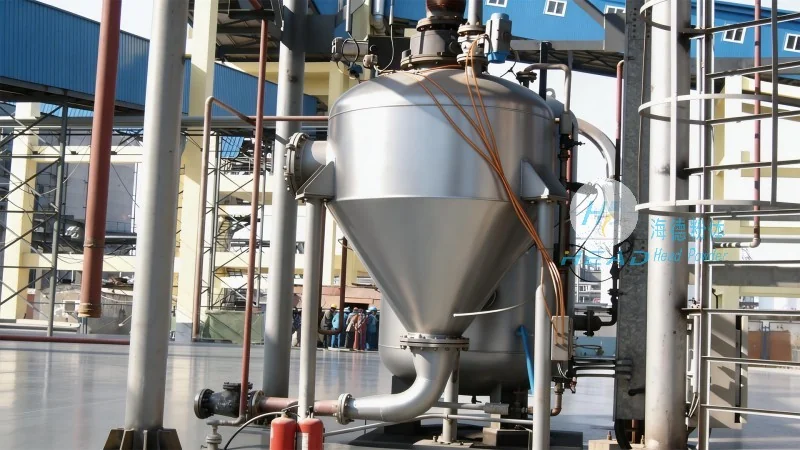
Phosphate calcium powder pneumatic conveying equipment is utilized in a wide range of industries where the handling of powders is essential. In the chemical industry, it is used to transport phosphate calcium powder used in the production of fertilizers and other chemical products. The equipment ensures that the powder is moved safely and efficiently from storage to processing units. In the food processing industry, it is employed to handle phosphate calcium powder used as a food additive or in the production of dairy products. The enclosed system helps maintain the product's quality and safety standards. The pharmaceutical industry also benefits from this equipment, as it is used to transport pharmaceutical powders that require strict contamination control. The equipment's ability to maintain a sterile environment and prevent cross-contamination is crucial in this sector. Additionally, in the mining and mineral processing industries, phosphate calcium powder is used as a raw material, and the pneumatic conveying system ensures its safe and efficient transport from mining sites to processing facilities. The equipment's robust design and ability to handle abrasive materials make it suitable for these demanding applications.
Maintenance and Operational Considerations for Phosphate Calcium Powder Pneumatic Conveying Equipment
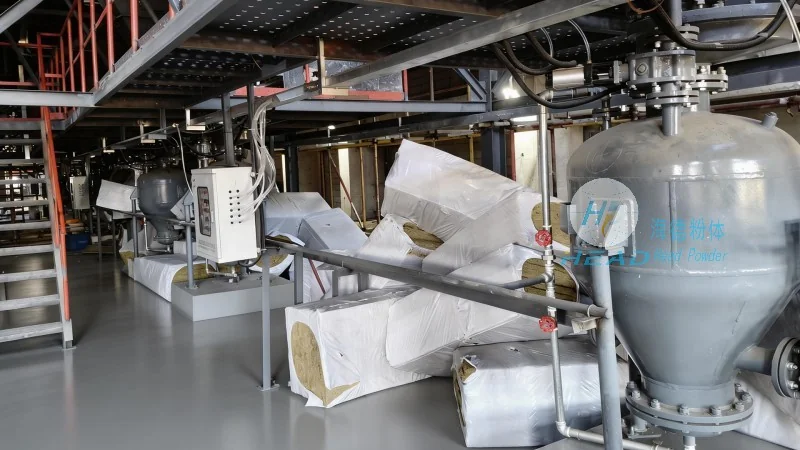
Proper maintenance and operational considerations are essential to ensure the long-term performance and reliability of phosphate calcium powder pneumatic conveying equipment. Regular maintenance is required to keep the system in optimal condition. This includes checking and replacing worn parts, such as seals and bearings, and cleaning the hopper and conveyor line to prevent powder buildup. The filters and cyclones should be inspected and cleaned regularly to maintain their efficiency in capturing dust. The control unit should be checked for proper functioning, and any software updates or adjustments should be made as needed. Operational considerations also include monitoring the system's performance parameters, such as air pressure and flow rate, to identify any issues early. It is important to follow the manufacturer's guidelines for operation and maintenance to maximize the equipment's lifespan and minimize downtime. Additionally, training personnel on the proper use and maintenance of the equipment is crucial to ensure safe and efficient operation. Proper training helps prevent accidents and ensures that the equipment is used correctly, reducing the risk of malfunctions or damage.
Future Developments and Innovations in Phosphate Calcium Powder Pneumatic Conveying Technology
As technology advances, there are ongoing developments and innovations in phosphate calcium powder pneumatic conveying equipment. One area of focus is the integration of smart technologies, such as sensors and IoT (Internet of Things) devices, to enhance the system's monitoring and control capabilities. These technologies allow for real-time data collection and analysis, enabling predictive maintenance and optimizing system performance. Another innovation is the use of advanced materials, such as high-strength polymers and composite materials, which improve the equipment's durability and reduce maintenance costs. These materials are often more resistant to corrosion and wear, making them suitable for handling abrasive powders like phosphate calcium. Additionally, there is a trend towards more energy-efficient systems, with the development of high-efficiency blowers and compressors that reduce energy consumption. This not only lowers operational costs but also aligns with environmental sustainability goals. The integration of automation and robotics is also becoming more common, allowing for the automation of the powder handling process. This reduces the need for manual labor and improves the consistency and safety of the operation. Overall, these developments are aimed at improving the efficiency, reliability, and sustainability of phosphate calcium powder pneumatic conveying equipment, making it an even more valuable asset in industrial applications.