With more than 10‑year industry experience, Shandong Headpowder delivers full‑service pneumatic‑conveying systems and blowers, undertaking nationwide turn‑key powder‑handling projects.
Understanding the material handling of lithium-ion battery powders is crucial for manufacturers aiming to enhance production efficiency and ensure product quality. The process involves transporting, storing, and managing the raw materials used in lithium battery production, such as cathode active materials, anodes, and conductive additives. Proper handling of these powders is essential to prevent contamination, maintain consistent particle size distribution, and optimize the overall manufacturing workflow.
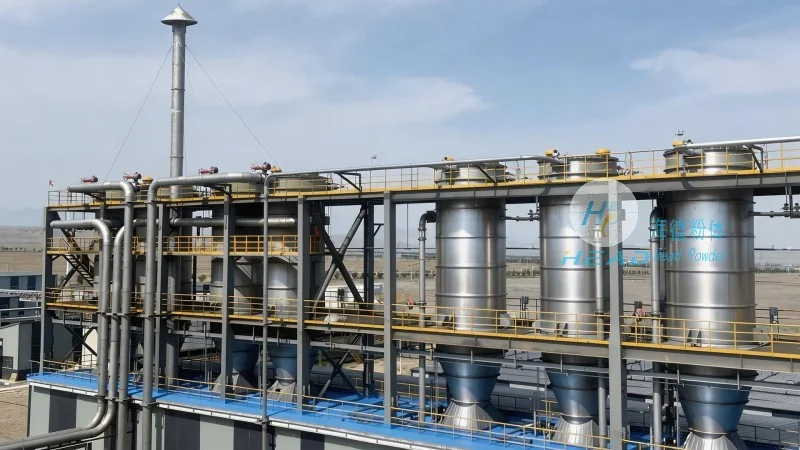
The material handling systems for lithium-ion battery powders typically consist of several key components designed to handle the unique properties of these materials. These components include feeding mechanisms, conveying systems, storage silos, and dust control equipment. Each component plays a vital role in ensuring the safe and efficient transfer of powders from raw material storage to the production line.
Designing an effective powder handling system for lithium-ion batteries requires careful consideration of several factors. First, the system must be capable of handling fine powders without causing excessive dust generation or particle agglomeration. This often involves using enclosed conveying systems and advanced dust collection technologies. Second, the design must ensure minimal material loss and contamination, which is critical for maintaining the purity of the battery components. Third, the system should be scalable and adaptable to changes in production volume and material types. These principles guide engineers in selecting the appropriate equipment and layout for optimal performance.
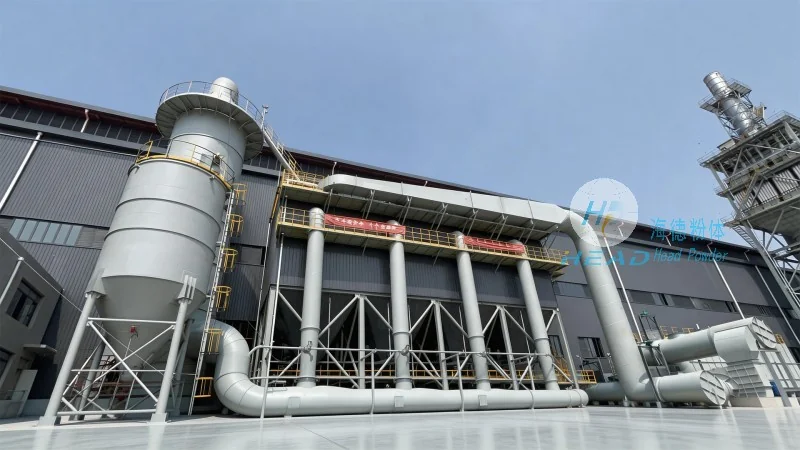
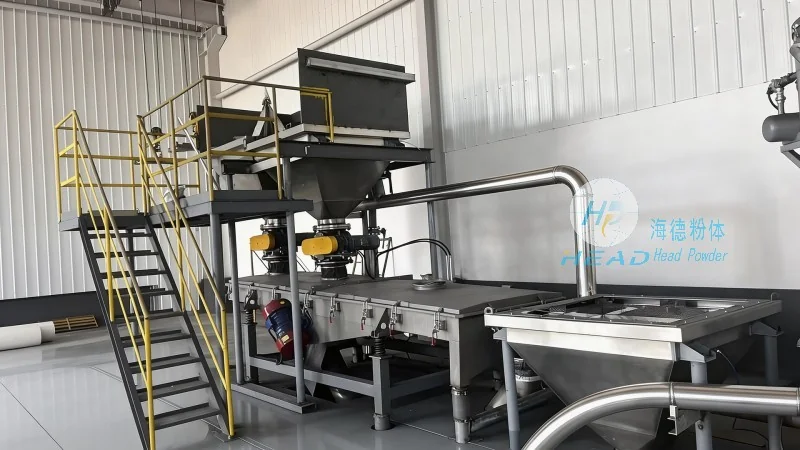
Feeding mechanisms, such as rotary valves and screw feeders, are commonly used to control the flow of battery powders from storage silos to processing equipment. These devices ensure a consistent and controlled feed rate, which is essential for maintaining uniform particle size distribution in the final battery products. Conveying systems, including pneumatic and mechanical conveyors, are used to transport powders between different stages of the production process. Pneumatic conveyors, for example, use air pressure to move powders through pipelines, while mechanical conveyors rely on belts or chains to transport materials. The choice of conveying technology depends on factors like material characteristics, distance, and required flow rates.
Proper storage of lithium-ion battery powders is another critical aspect of material handling. Storage silos are typically used to store raw materials in bulk, providing a large capacity and preventing exposure to moisture or contaminants. These silos are often equipped with aeration systems to maintain consistent moisture levels and prevent caking of the powders. Additionally, the design of the silo and its discharge system must be optimized to minimize material bridging and ensure smooth discharge. Proper storage not only ensures a steady supply of materials but also contributes to the overall safety of the production facility by reducing the risk of dust explosions.
Due to the fine nature of lithium-ion battery powders, dust control is a paramount concern in material handling systems. Enclosed systems, such as dust collection hoods and filtration units, are used to capture and remove airborne particles. These systems typically employ high-efficiency particulate air (HEPA) filters to ensure that the air leaving the system is clean and free from contaminants. Additionally, explosion-proof designs are incorporated into the equipment to prevent the risk of dust explosions, which can be a serious hazard in powder handling environments. Safety measures also include regular maintenance of equipment, proper training for operators, and adherence to industry standards like NFPA 654 for dust explosion prevention.
Shandong HeadPowder Engineering Co., Ltd., a leading provider of material handling solutions, specializes in designing and manufacturing systems tailored to the needs of lithium-ion battery manufacturers. The company's expertise lies in understanding the unique challenges of handling battery powders and developing customized solutions that address these challenges. For example, HeadPowder has developed enclosed pneumatic conveying systems that minimize dust generation and ensure consistent material flow. The company also provides storage silos with advanced discharge mechanisms to prevent material bridging and ensure smooth material transfer. By leveraging their experience and technical knowledge, HeadPowder helps battery manufacturers improve their production efficiency, reduce material waste, and enhance product quality.

 Shandong Headpowder Engineering Co., Ltd.
 156-6277-7102(Manager Zhang)
  0531-83386006
  Zhangqiu District, Jinan City, Shandong Province, China
telephone
WeChatconsult
top