

[Biological Enzyme Powder Pneumatic Conveying Equipment: Understanding Its Function and Design Princ
Biological enzyme powder pneumatic conveying equipment represents a specialized system designed to transport fine powders, particularly those derived from biological processes such as enzyme production. This equipment is critical in industries where maintaining the integrity and activity of enzymes is paramount, ensuring efficient and hygienic material handling from production to packaging.
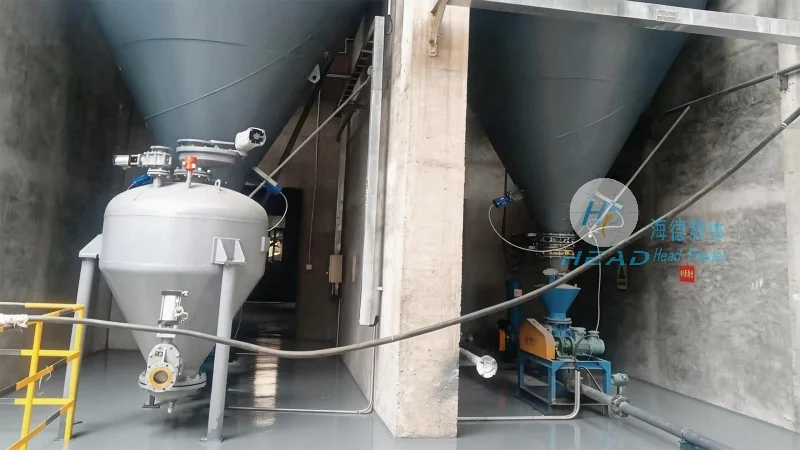
HeadPowder: A Leading Manufacturer in Pneumatic Conveying Solutions
HeadPowder, a prominent entity in the field of engineering and manufacturing, specializes in the design and production of advanced pneumatic conveying systems. Based in Shandong, China, HeadPowder Engineering Co., Ltd. leverages decades of experience to develop equipment tailored to the unique demands of biological enzyme processing. The company’s commitment to quality and innovation positions it as a trusted partner for businesses seeking reliable and efficient powder handling solutions.
What Is Biological Enzyme Powder Pneumatic Conveying Equipment?
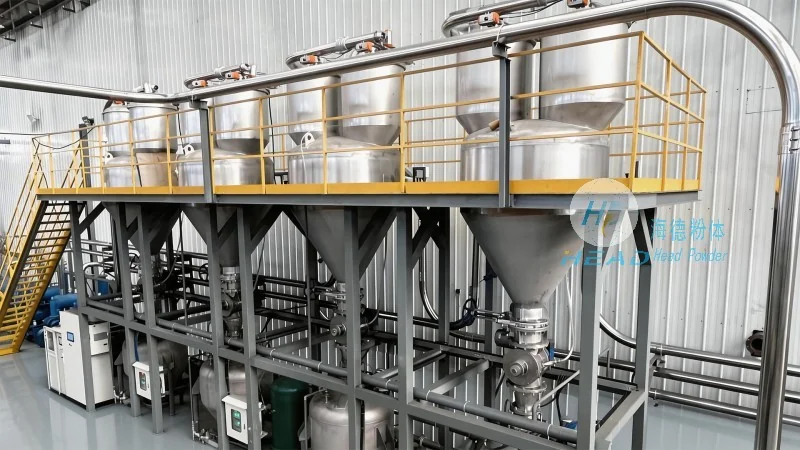
This equipment is a type of pneumatic conveying system that utilizes compressed air to transport biological enzyme powders. Unlike traditional mechanical conveyors, pneumatic systems offer a non-contact method of material transport, which is essential for preserving the delicate properties of enzymes. The system typically includes components such as a feed hopper, a rotary airlock, a conveying pipeline, a gas source, and a collection hopper. Each component is engineered to work in harmony, ensuring the safe and efficient movement of the powder while minimizing product degradation.
Key Components and Their Functions
The core components of a biological enzyme powder pneumatic conveying system include:
1. Feed Hopper: This is the initial container where the enzyme powder is stored before being fed into the system. It is designed with a sloped bottom to facilitate smooth material flow and may include a level indicator to monitor the powder quantity.
2. Rotary Airlock: Positioned at the outlet of the feed hopper, the rotary airlock acts as a valve to control the flow of powder into the conveying pipeline. It prevents backflow of air and ensures a consistent feed rate, protecting the system from overloading or underloading.
3. Conveying Pipeline: The pipeline is the main channel through which the enzyme powder is transported. It is constructed from materials such as stainless steel or food-grade plastic to prevent contamination and ensure durability. The pipeline design considers factors like pressure drop and material friction to optimize conveying efficiency.
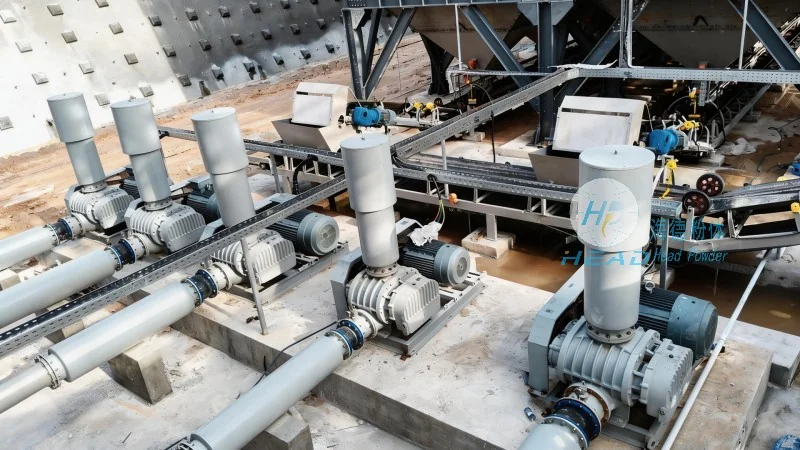
4. Gas Source: A compressor or blower provides the compressed air that propels the powder through the pipeline. The air pressure and flow rate are carefully controlled to match the specific characteristics of the enzyme powder, ensuring stable and efficient transport.
5. Collection Hopper: At the receiving end of the pipeline, the collection hopper stores the delivered enzyme powder. It is equipped with a discharge valve or rotary airlock to regulate the output, allowing for seamless integration with downstream processes such as packaging or further processing.
Design Principles for Biological Enzyme Powder Conveying
The design of biological enzyme powder pneumatic conveying equipment follows several key principles to ensure optimal performance and product preservation:
1. Temperature Control: Enzymes are sensitive to temperature fluctuations, which can affect their activity and stability. The system is designed with temperature-resistant materials and may include cooling mechanisms to maintain a consistent, low-temperature environment during transport.
2. Airflow Management: The velocity of the air within the pipeline is a critical factor. Excessive air speed can cause particle attrition and degradation, while insufficient speed may lead to blockages. Engineers at HeadPowder carefully calculate the optimal air-to-solid ratio to achieve efficient conveying without damaging the enzyme powder.
3. Material Compatibility: The choice of materials for the system components is crucial. Stainless steel, food-grade polyethylene, and other non-reactive materials are used to prevent contamination and ensure the powder remains free from foreign substances. This is particularly important in the pharmaceutical and food industries where product purity is non-negotiable.
4. Hygienic Design: The equipment is designed with easy-to-clean surfaces and minimal dead zones to prevent the accumulation of powder and potential microbial growth. Sanitary fittings and seals are employed to maintain a clean environment, aligning with industry standards like GMP (Good Manufacturing Practice).
5. System Integration: The pneumatic conveying system is often integrated with other processing equipment, such as grinding mills, mixers, and packaging machines. The design considers the flow rates and pressure requirements of adjacent equipment to ensure seamless operation and minimal downtime.
Benefits of Using Biological Enzyme Powder Pneumatic Conveying Equipment
Implementing a biological enzyme powder pneumatic conveying system offers several advantages for businesses in the enzyme production sector:
1. Enhanced Product Integrity: The non-contact, low-velocity transport minimizes mechanical stress on the enzyme powder, preserving its activity and shelf life. This is critical for maintaining the efficacy of the final product.
2. Improved Efficiency: Pneumatic conveying systems can handle high volumes of powder at a consistent rate, reducing processing time and increasing overall production throughput.
3. Hygienic and Clean Operation: The enclosed system prevents dust contamination and cross-contamination between batches, ensuring product purity and compliance with regulatory standards.
4. Space Efficiency: Compared to traditional mechanical conveyors, pneumatic systems require less floor space and can be installed in vertical or horizontal configurations, making them suitable for compact production facilities.
5. Customization and Flexibility: HeadPowder offers customized solutions tailored to specific production needs, including different pipeline lengths, material types, and control systems. This flexibility allows businesses to adapt the equipment to evolving production requirements.
Applications in Biological Enzyme Processing
Biological enzyme powder pneumatic conveying equipment is widely used in various stages of enzyme production and processing:
1. From Grinding to Storage: After the enzyme is ground into a fine powder, the pneumatic system efficiently transports it from the grinding mill to the storage silo, minimizing product loss and maintaining quality.
2. Between Processing Stages: The equipment can be used to move enzyme powders between different processing units, such as from a mixing tank to a drying oven or from a reactor to a packaging line.
3. For Packaging: The final stage of the conveying system delivers the enzyme powder to the packaging machine, ensuring a clean and consistent fill of the product into containers.
4. In Research and Development: Laboratory-scale pneumatic conveying systems are used in R&D to test new enzyme formulations and process parameters, allowing for rapid prototyping and optimization.
Conclusion
Biological enzyme powder pneumatic conveying equipment is a vital component in modern enzyme production, offering a reliable, efficient, and hygienic method for handling sensitive biological powders. HeadPowder Engineering Co., Ltd., based in Shandong, China, stands out as a leading manufacturer in this field, providing customized solutions that meet the stringent requirements of the industry. By adhering to principles of temperature control, airflow management, and material compatibility, these systems ensure the preservation of enzyme activity while optimizing production processes. For businesses seeking to enhance their enzyme processing capabilities, investing in a well-designed pneumatic conveying system is a strategic decision that can lead to improved product quality, increased efficiency, and regulatory compliance.